Let's face it: not all of us are destined to be this millennium's Michelangelo. But just because we won't be commissioned to paint renowned frescos doesn't mean that we can't turn a blank canvas into art. Get comfortable with mixing colors and perfecting strokes with these watercolor tutorials, and a gallery show could be in your future -- or, at least, a few stylish displays for your home.
Video of the Day
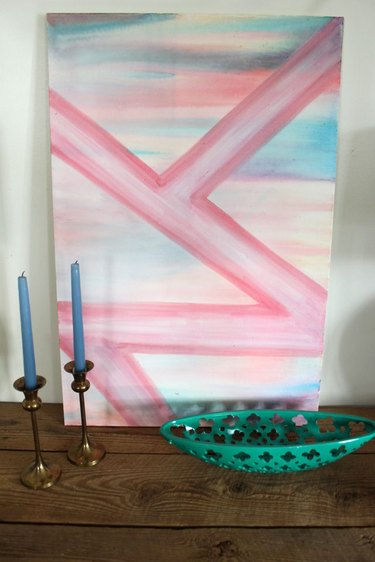
Feel Things Out with Abstract Painting
The best part about abstract painting is its flexibility. Start to gain confidence with watercolors by using this guide, and follow your instincts.
Video of the Day
Start to Hone Your Skills
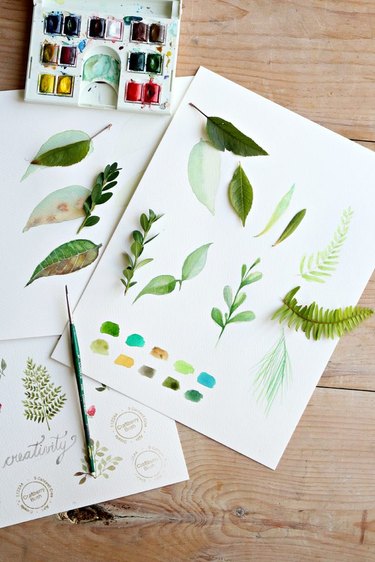
Once you've begun to master straight lines and simple shadows, move onto creating shapes. Practice painting leaves with this how-to, and you'll start to notice the beauty in small details.
Turn Those Leaves into a Tree
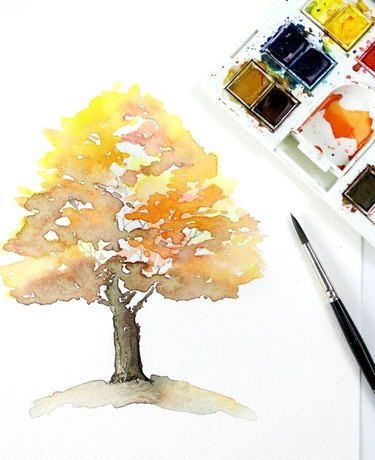
Now that you've illustrated a variety of leaves, expand your budding portfolio by painting a tree.
Add Some Snow to Your Muse
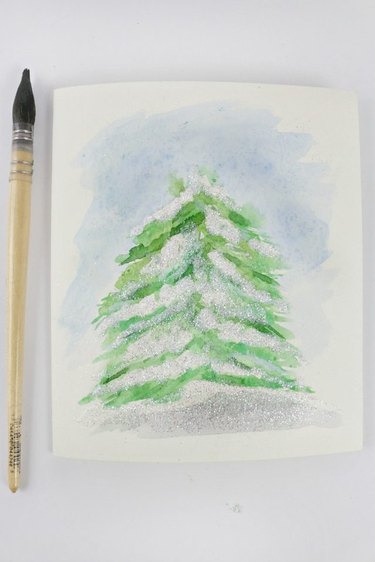
You've figured out how to paint leaves, you're confident in your ability to illustrate an entire tree, and now you can learn how to place a tree inside a winter wonderland.
The Apple Doesn't Fall Far From the Tree
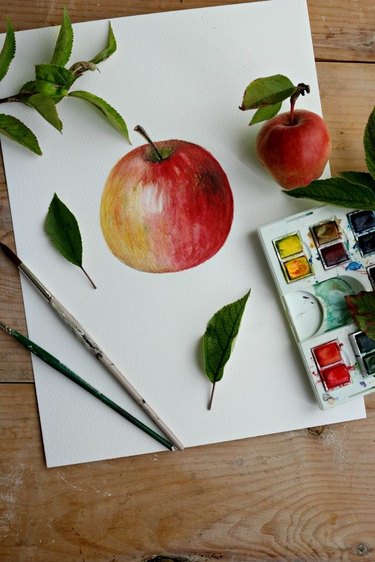
Pat yourself on the back for finishing a snow-topped tree, and then add a pop of red to your palette by painting an apple.
Plant Your Feet on the Ground
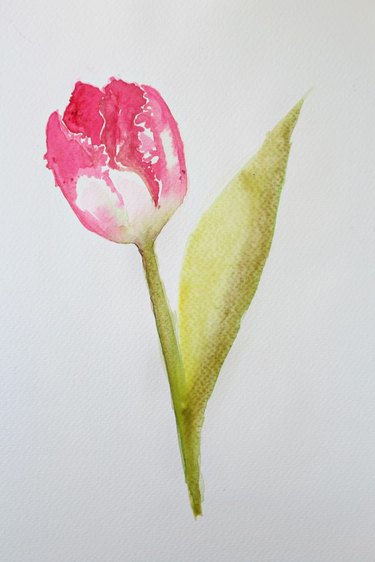
Painting leaves, trees and apples is reason to celebrate, but there's still more to learn. This tutorial on tulips will keep you grounded.
Get Acquainted with Nature's Creatures
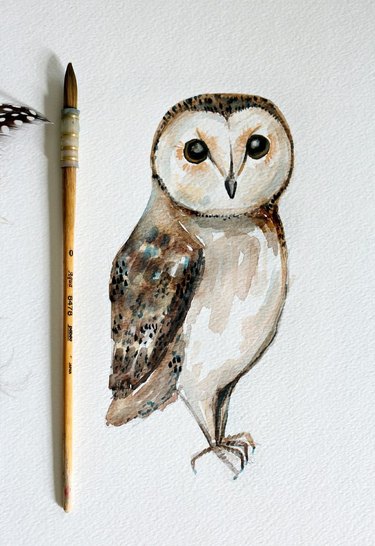
Move on from flora to fauna and begin to focus on nature's live creatures. Sketch and paint this watercolor owl and expand your know-how to eyes and faces.
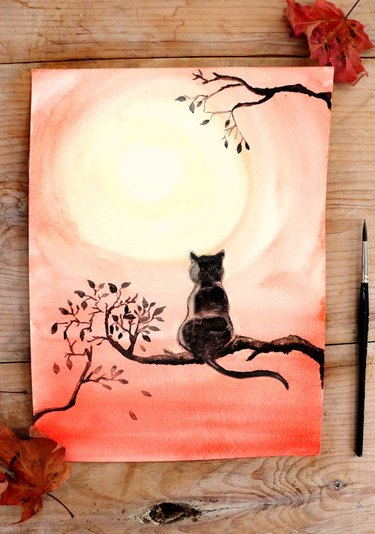
Back in Action
You've gotten facial features down, and now you're ready to paint the silhouette of another animal: a cat.
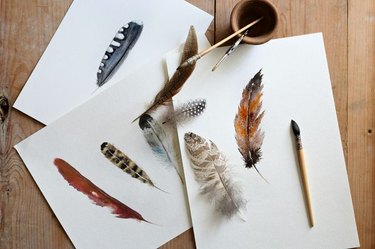
Stick a Feather in Your Cap
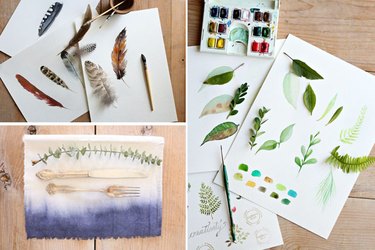
Get even more practice with details by painting these watercolor feathers. They'll look great beside all of your other accomplishments thus far.
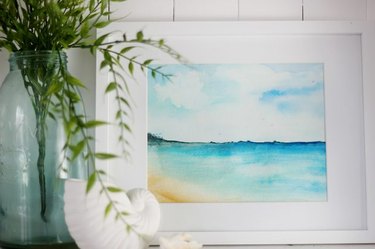
Ready to Set the Scene
Keep expanding your horizons and move onto landscapes. You'll learn how to capture a beautiful beach setting with this tutorial.
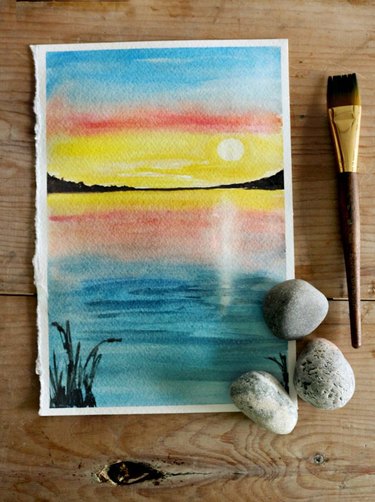
Take in a Colorful Sunset
Add color above the horizon and paint a sunset above another waterside setting.
Have an Excuse to Throw a Dinner Party
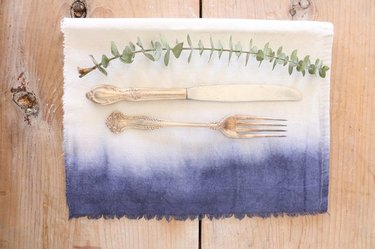
What's the point of learning a new skill if you can't do a little humble bragging? Tell your friends how far you've come with watercolor painting over a homemade meal, and use this tutorial to decorate the napkins.
A Labor of Love
Now you've done enough artwork to start giving away your skills as gifts. Show your loved ones how much you care and scribble notes on this affectionate letter.

Make It Personal
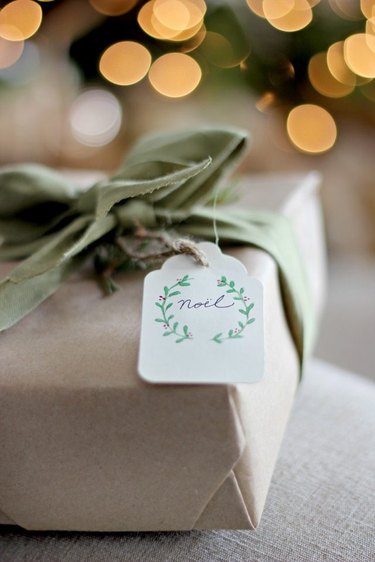
You've noticed by now that watercolor painting is open to personalization. This tutorial individualizes each gift with a tag, and the design works whether or not it's the holidays.