

How to Install a Crimp-On Wire Connector
Wire connectors are used in all types of electrical equipment, especially in appliances like dryers, refrigerators and ovens. In most cases these wire connectors are soldered to the wire itself, which offers a strong bond and maximum voltage flow.
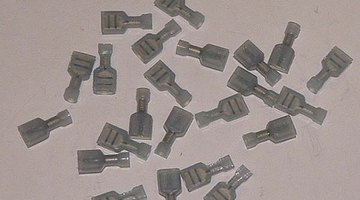
Things You Will Need
- Crimp-on wire connector
- Wire strippers
- Needlenose pliers
- Screwdrivers
- Crimping tool
Unfortunately, sometimes that bond weakens and the wire can break loose from the connector. When that happens, all hope is not lost, you can simply replace the soldered connector with a crimp-on wire connector. Here's how you can repair your appliance and save yourself the hassle and cost of buying a new one due to a broken wire.
-
Turn the power to the equipment OFF.
-
Open up the housing or control panel where the broken connector is located. Use your needlenose pliers to pull the old connector off of the terminal. Because these connectors come in a wide variety of types and sizes, you will want to be sure to have a suitable replacement; it's a good idea to take the old connector with you when you head to the hardware store.
-
Take the wire that broke off of the connector and use your wire strippers to remove about 1/4 inch of insulation from the wire. Twist the stranded wire between your thumb and finger to ensure that it is as tightly wound as possible.
-
Slide the wire into the connector. Use the crimping tool (or needlenose pliers will work...you'll just have to squeeze tight!) to crimp the connector onto the wire. Make sure that no strands of wire are outside of the connector before crimping. Another tip is to crimp one side of the connector at a time for a tighter hold.
-
- Note: If the crimp-on wire connector has a plastic cover, it should be installed over the wire first, then crimp on the connector, and lastly, slide the plastic cover up and over the connector.
-
Now just slip the connector over the terminal. Give it a slight tug to ensure that it is secure and that the wire is tightly crimped into place.
-
Replace all of the housing or control panel parts and turn the power to the appliance back on.
Tip
Always replace a wire connector with the exact same size connector or you will experience a number of problems with your appliance, some of which can be dangerous.
Warning
While crimp-on connectors are suitable replacements for soldered connectors, they don't offer the strength or reliability that soldered connections do. While this is not overly important, it's just a reminder to make sure all of your crimp-on connections are as tight and secure as possible.
Tips
- Always replace a wire connector with the exact same size connector or you will experience a number of problems with your appliance, some of which can be dangerous.
Warnings
- While crimp-on connectors are suitable replacements for soldered connectors, they don't offer the strength or reliability that soldered connections do. While this is not overly important, it's just a reminder to make sure all of your crimp-on connections are as tight and secure as possible.
Writer Bio
This article was written by the CareerTrend team, copy edited and fact checked through a multi-point auditing system, in efforts to ensure our readers only receive the best information. To submit your questions or ideas, or to simply learn more about CareerTrend, contact us [here](http://careertrend.com/about-us).
More Articles

