
How to Home School in Pennsylvania

How to Home School in Pennsylvania thumbnail
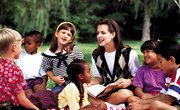
Learning can be done at home.

Parents may choose to homeschool their children for a variety of reasons including educational reasons, religious beliefs, the need to care for a disabled child and many more. Homeschooling a child does not simply mean that the parent is solely in charge of all curricular decisions and materials. Children who will be homeschooled in the state of Pennsylvania are subject to many of the same requirements as students in public and private schools are. Parents considering homeschooling in Pennsylvania should acquaint themselves with the necessary state requirements and steps to completing a legal home education program.

Things You'll Need

  • Textbooks
  • School supplies
  • Workbooks
  • Educational portfolio
  • Log book
Show More

Instructions

    • 1

      Learn the Pennsylvania state homeschooling education laws and requirements. These include regulations on age (all children in Pennsylvania between eight and 17 years of age must attend some form of approved school program), minimum curricular requirements (depending on the child's age), minimum testing and assessment requirements and evaluation of schooling program. Parents can easily access these regulations via the Pennsylvania Department of Education website. Additionally, many school districts may be able to provide copies of these requirements.

    • 2

      Contact the student's school district. For most parents, the school superintendent will be the primary contact. The school district that would provide instruction for the area that includes the student's primary place of residence will be responsible for overseeing that the educational standards are being met and that all legal regulations are being followed.

    • 3

      Complete an affidavit for the child with the school district's superintendent. If more than one child is being homeschooled, a separate affidavit will need to be filled out for each individual student. Include the name of the instructional supervisor, name of the child, child's age, address, contact telephone number, educational objectives and subjects being taught, current required immunization documentation and documentation that the child has received health and medical services for his grade level as stated in Article 14 of the Pennsylvania School Code. An affidavit form is available at many school districts, attached to the Pennsylvania Department of Education Basic Education Circular, or can be created by the parent.

    • 4

      Conduct regularly scheduled lessons. Children in the state of Pennsylvania must meet minimum curricular requirements based on specific areas of instruction. Elementary school-aged home school students must complete lessons in English, mathematics, science, history, geography, health and safety, civics, physical education, art and music. All elementary school students must complete a total of 180 days or 900 hours of instruction. The state does not specify hours per subject, but all listed content areas must be included in the course of study. Curriculum for a secondary student must include English, geography, science, social studies, foreign language, mathematics, physical education, health and safety, music and art. Secondary students must complete a minimum of 990 total hours of schoolwork during the school year. Students in ninth through 12th grades must have four years of English, three years of math, three years of science, three years of social studies and at least two years of arts/humanities content. Specific class scheduling for both elementary and secondary students is at the discretion of the parent or instruction supervisor. School districts must lend textbooks and other grade level-applicable materials to parents for homeschooling purposes.

    • 5

      Administer state-mandated assessment testing. The Pennsylvania System of School Assessment (PSSA) test must be taken by all students in grades 3, 5 and 8. If the parent chooses not to administer the PSSA test, the state of Pennsylvania will provide the parent with a list of acceptable standardized tests. Homeschooled students are permitted to take standardized tests (such as the PSSAs) through their resident school district. The student's parent must contact the school district to make arrangements prior to the testing day. The Pennsylvania Department of Education's website provides a list of scheduled testing dates for each district in the state.

    • 6

      Create a portfolio. A learning portfolio that includes a log of instruction, reading materials, samples of school work and state assessment test results must be supplied for each child. Instructional logs should be made in conjunction with each lesson, and include all specific texts used. Specific samples of writing, worksheets and other materials that may accompany each lesson should also be included for review. This portfolio will be evaluated by a teacher or administrator in the student's school district. Portfolios must be submitted to the school district superintendent by June 30 of each school year.

    • 7

      Submit a new affidavit for the next school year to the superintendent of the school district by August 1. This must be done annually until the child reaches the age of 17.

Tips & Warnings

  • Students may begin homeschooling at any point in the school year.

  • Homeschooled children may participate in the local school district's extracurricular programs such as dramatic arts, music or sports as long as the student meets the specific school-stated requirements for each activity.

  • Families who homeschool may want to join a local or regional home school organization. The Pennsylvania Department of Education's website provides a list of such groups.

  • Many museums and other non-school institutions offer work shops for homeschooled children.

  • All curricular requirements in each subject category must be met and recorded in the learning portfolio for the parent to have met the legal obligations and criteria for school approval.

  • Although districts must lend parents with educational materials for the child's grade level, Pennsylvania educational law does not require that schools provide any requested textbooks or other learning items in a timely manner.

Related Searches:

References

Resources

  • Photo Credit red ripe apple sitting on a stack of books image by Allen Penton from Fotolia.com

Comments

You May Also Like

  • Do You Pay State Taxes on Unemployment in Pennsylvania?

    Income taxes are taxes that a taxing authority assesses on income. When you receive unemployment benefits, you are collecting income. Although the...

  • Pennsylvania Tax Filing Requirements

    Pennsylvania Tax Filing Requirements. Pennsylvania requires taxpayers who earn income within its borders to file tax forms. According to the Pennsylvania Department...

  • How to Select a Cyber School in Pennsylvania

    Cyber schooling is a great choice for anyone not succeeding in a traditional public school setting. It can actually foster better and...

  • How to Interpret PSSA Data

    Administered in grades 3, 8 and 11, the Pennsylvania System of State Assessment (PSSA) tests determine students' academic understanding and placement. When...

  • Pennsylvania Homeschooling Laws

    Pennsylvania Homeschooling Laws. In Pennsylvania, school is compulsory between the ages of 8 and 17. Like many states, Pennsylvania has passed regulations...

  • Preparation For the PSSA

    The Pennsylvania System of School Assessment (PSSA) is an annual standards-based evaluation test that measures the academic skills of students. Schools use...

  • Pennsylvania Day Care Requirements

    Pennsylvania Day Care Requirements. Pennsylvania day care requirements are in place to ensure that all facilities adhere to a certain standard of...

  • CNA Schools in Pennsylvania

    CNA Schools in Pennsylvania. Certified nursing assistants work under the supervision of licensed nurses to treat and care for assisted living patients....

  • Georgia High School Association Cheerleading Rules

    Georgia High School Association Cheerleading Rules. In Georgia, regional and state cheerleading competitions are held in November each year. Competitions are divided...

  • How to File an Unemployment Claim in Pennsylvania

    File an unemployment claim quickly if you have recently lost your job in PA. The economy in PA has not been in...

  • Grants for Homeschooled Children

    Every parent wants the best education for his child. For some, this means private schooling. For others this means choosing an accredited...

  • How to Submit a Homeschool Portfolio in Pennsylvania

    Submitting a homeschool portfolio in Pennsylvania is not hard but takes a bit of organization. The state requires documentation of what you've...

  • Video Game Testing Schools

    Video Game Testing Schools. Video game testers look for bugs in a video game to ensure that a product is ready for...

  • How to Become a School Bus Driver in Pennsylvania

    With the safety of school children of primary importance, applicants to become school bus drivers in Pennsylvania go through specialized training and...

  • What Is a Pauper's Affidavit?

    The U.S. Constitution stipulates that each citizen is entitled to a fair trial. While corruption, prejudice, contempt of the court or lack...

  • Residency Requirements for Pennsylvania Colleges

    Residency Requirements for Pennsylvania Colleges. For tuition purposes, Pennsylvania colleges and universities classify students according to their residency. In most ...

  • Autism Schools in Pennsylvania

    Autism Schools in Pennsylvania. Many schools designed for children with autism in Pennsylvania utilize the Applied Behavior Analysis (ABA) method of treatment...

Related Ads

Featured