

Making White Furniture Look Rustic

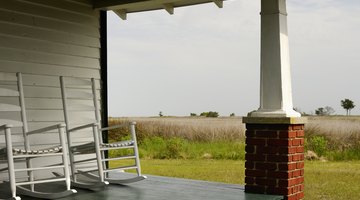
If you're going for a rustic vibe in your home, new or bright white furniture may look a bit too fresh for the motif. Rather than swapping the furniture out for something inherently more rustic, a few finishing techniques will get that bright white furniture looking a bit more worn and loved, matching the rest of the room's decor. Older children may even want to help with some of the techniques, such as distressing the wood, which allows them to do exactly what they're usually told not to do with furniture: beat it up.
Sanding
Sanding through the white paint on furniture is a speedy way to make wood furniture look much more rustic and old than it is. To make the wear look natural, sand it with a fine- or medium-grit sanding block on areas that would typically become worn first, such as the armrests and seat on a rocking chair. Sanding is a simple process for aging a piece of furniture -- simply stop when the piece looks as worn as you'd like. A powered palm sander can be used on a large furniture piece, or if you want to remove a lot of paint, to hasten the process.
Distressing
Distressing furniture is the part where you or the children get to be aggressive. A sock full of heavy nuts and bolts swung at the project creates random dents that would occur over many years of use. A hammer or heavy chain creates a similar effect. Placement of dents, like sandpaper wear, looks most realistic on areas that would normally become worn, such as the top and edges of a desk, or rungs of a bar stool. This technique looks even more effective when paired with one or more of the others.
Discoloration
Bright white paint applied decades ago typically doesn't look so fresh after years of exposure to sunlight, especially if varnish covers the paint. Recreate that old varnish look by thinning honey yellow latex paint with water or glaze, then brushing it over the entire piece. A rag wipes off much of the paint while it's still wet -- just enough to make the paint look yellowed. A dark brown paint or glaze mixture using the same technique can create the look of weathered wood that has been left outdoors for a while. For added variation, flick a paintbrush loaded with brown watery paint toward parts of the piece of furniture, recreating random dark spots often found on older furniture.
Layered Paints
Some rustic or antique furniture pieces have been through a lot over the years, including many coats of paint. To recreate that look, rub a candle over the entire piece of furniture, then paint it again with another color, such as yellow or an antique white. Layer as many colors, or even variations of white, as you'd like, each with wax in between. Sanding through the layers on areas of typically heavy wear shows the various paint colors, or even bare wood, underneath, much like an old piece of furniture that has been in constant use for generations.
References
Resources
Writer Bio
Kathy Adams is an award-winning journalist and freelance writer who traveled the world handling numerous duties for music artists. She writes travel and budgeting tips and destination guides for USA Today, Travelocity and ForRent, among others. She enjoys exploring foreign locales and hiking off the beaten path stateside, snapping pics of wildlife and nature instead of selfies.
Photo Credits
- EJ-J/iStock/Getty Images
- EJ-J/iStock/Getty Images
More Articles

