
Qualities of a Bad Coach
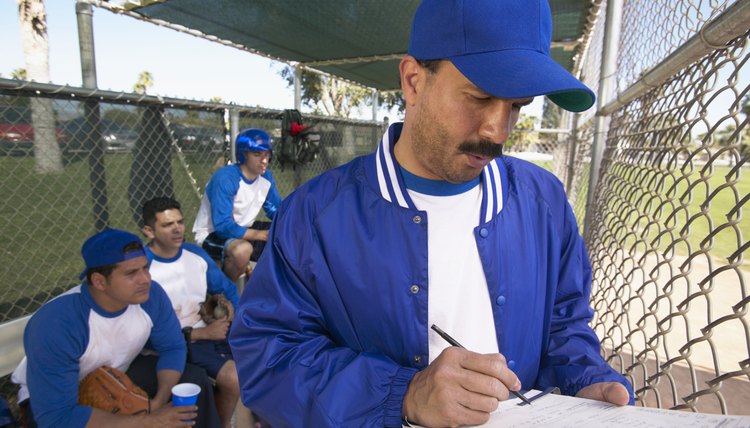
The world of sports is filled with a variety of different coaches. In most cases the quality of the coach can determine how successful the team will be and it can have an influence on the attitude of team members toward the sport. Unfortunately there are those bad coaches who can ruin any sporting event for the players, fans and other coaches. In most situations it is not until a season is under way that people realize they have a bad coach. It may be too disruptive to make a change and, besides, some of the damage has already been done. This is why it's critical to look for several distinct characteristics beforehand.
Lacks Knowledge

Digital Vision./Digital Vision/Getty Images
A good coach is someone who has detailed knowledge of the sport and can instill that knowledge to others. A coach is someone who teaches their players about the game and how to apply the lessons being learned to life in general. If they don't know the game, they are not likely to be able to effectively teach and lead the team.
Argumentative
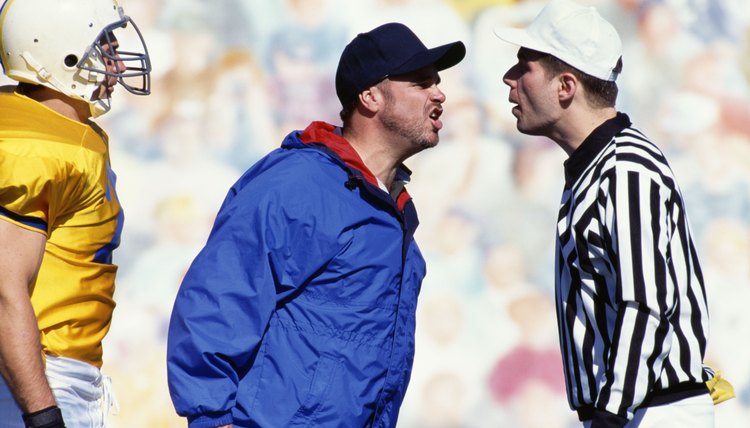
Those coaches who blow up at the officials, at fans and at other coaches are the worst kind. Not only do these situations present a distraction, they also prevent the team from focusing on doing their best during the game. This lost focus often occurs because the coach is not thinking about the fundamentals during practice, or during the game. In addition, a coach that argues with officials about every call that goes against his team may get more calls against them. His job is to get the team to improve by working on the fundamentals of the game.
Thinks That Winning Is Everything
Digital Vision./Digital Vision/Getty Images
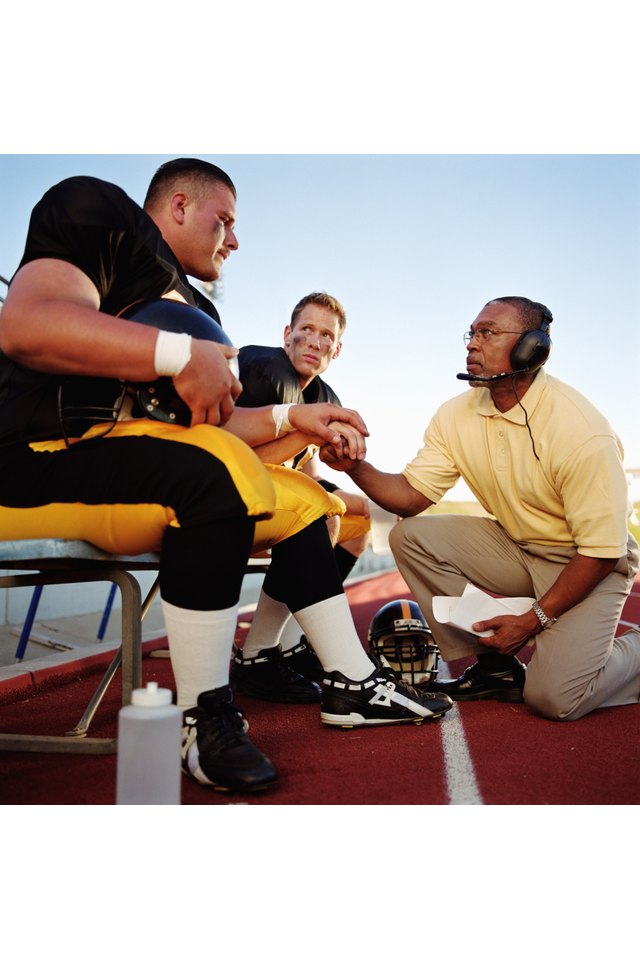
Contrary to what many people may believe, winning is not everything. The whole point of sports is to enjoy yourself, to be able to learn something about life and to engage in rigorous physical activity. Any coach who thinks that winning is everything is coaching for the wrong reason. This can be seen when you look at how the coach rotates their players in and out of the game. A bad coach plays his favorites most of the game. The players he sits and ignores may not be as talented, but they also be failing because they haven't gotten a chance . This coach wears out the players on the field while causing all the viable substitute players on the bench to become frustrated.
Does Not Look Out for the Players' Well-Being
Digital Vision./Digital Vision/Getty Images
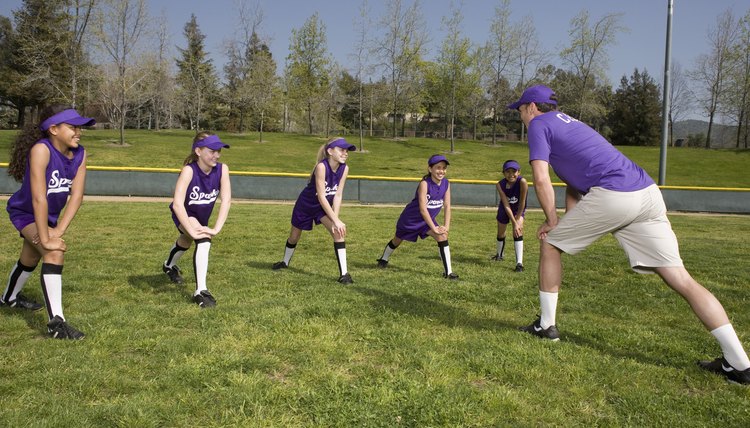
In all sports most people try to copy what the professionals are doing. However, there is a balance between the two where the professionals are being paid to play their sport, while everyone else is learning and having fun. Any coach who is copying the pros has lost their focus about the most important reasons for playing any kind of sport, which is for the pure enjoyment. A bad coach will often try to push their players, telling them how the professionals were able to achieve their level of success because they played when they were hurt. This can lead to serious injuries. Another huge injury danger results when a coach does not have his players take the appropriate time to warm up correctly before a practice or a game, and to cool down properly afterward.
Always Puts Down Their Players
Digital Vision./Digital Vision/Getty Images
A bad coach is someone who constantly puts down their own players; they have nothing positive to say. Players start to feel that they cannot do anything right no matter how hard they try. Talented players could become frustrated with the sport and either quit, or give less effort, because they do not want to always hear the constant put-downs. There are constructive ways to correct poor play without being overly critical.
References
Writer Bio
Chris Seabury has a wide variety of writing experience, and over the last 12 years he has written for magazines, newspapers and websites. The different publications and websites where his articles have appeared include Investopedia.com, Game Day MD and Future Magazine, just to name a few. Seabury has bachelor's degree in journalism from the University of Colorado.