How to Make Korean 'Kimchi'

How to Make Korean 'Kimchi' thumbnail
Kimchi was typically stored in clay jars underground. Today, they can be stored in refrigerated glass jars.

"Kimchi" is a staple Korean side dish known for its pungent, spicy and tangy flavor. There are many varieties of kimichi made from different vegetables, like cucumbers and radishes, but typically cabbage is the most popular form. Kimchi has gained popularity outside of Korea due to its enormous health benefits from the raw ingredients. The garlic, onion and spicy peppers have an abundant amount of Vitamin A, B and C and the cabbage is an excellent source of fiber. However, it is best known for its "good bacteria" known as lactobacilli, found in fermented foods, which helps with digestion and prevents yeast infections. Does this Spark an idea?

Things You'll Need

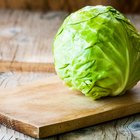
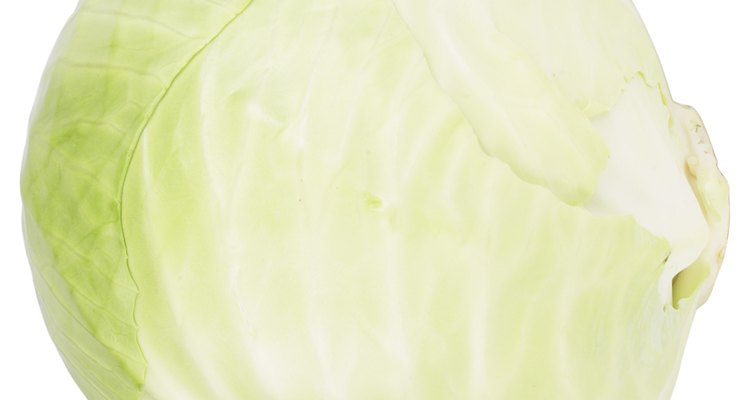
  • 1 pound Napa cabbage
  • 4 cups cold water
  • 3 tablespoon sea salt
  • 1 tablespoon garlic
  • 2 tablespoon ginger
  • 3 scallions
  • 2 tablespoon ground dried red pepper
  • 1 teaspoon sugar
  • 1 large bowel
  • Large glass jar
Show More

Instructions

    • 1

      Separate and wash the cabbage leaves. Sprinkle 2 tablespoon of sea salt evenly on each cabbage leaf and place them in a large bowel. Pour the cold water and refrigerate over night.

    • 2

      Pour out the water and rinse each cabbage leaf. Set the cabbage aside in a large bowel.

    • 3

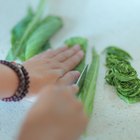
      Mince the garlic and ginger finely. Thinly slice the scallions. Add the dried red pepper, sugar, garlic, ginger, scallion and remaining 1 tablespoon of sea salt into a large bowl.

    • 4

      Pour the mixture over the cabbage and rub the seasoning evenly into each cabbage leaves by hand.

    • 5

      Transfer the seasoned cabbage into a large glass jar. Press firmly and stack each cabbage leaf evenly. The less space there is in between each leaf, the more evenly the kimchi will ferment. Make sure to leave at least two inches of room at the top.

    • 6

      Add the remaining liquid from the seasoned mixture into the jar. Close the jar tightly with the lid.

    • 7

      Store the glass jar in a cool, dry, dark area at a room temperature no higher than 68 degrees Fahrenheit for 2 days.

Tips & Warnings

  • Add radishes or carrots for a crunchy component in the kimchi. Peel and cut them into 1 inch cubes.

  • Add Asian pear for a slightly sweet component.

  • The longer the kimchi stays in the refrigerator, the longer it will ferment. The longer the fermentation process, the more sour and tangy the kimchi will taste.

  • Only take out a small portion with each meal in order to maintain the fermentation process.

  • Kimchi can lasts for months in the refrigerator.

  • Replace sugary condiments, like ketchup, on a hotdog with spicy kimchi.

  • Wear gloves when mixing the spicy seasoning with the cabbage leaves to prevent burning from the chili flakes.

Related Searches:

References

Resources

  • Photo Credit Kimchi image by Angelika Bentin from Fotolia.com

Comments

You May Also Like

  • How to Make Korean Cabbage Kimchi

    A variety of pickled vegetable dishes can be found in both Asian restaurants and grocery stores. Kimchi, Korea's national dish, comes in...

  • How to Make Korean Kimchi Jjigae

    Kimchi is a food staple in Korea, served at almost every meal. Kimchi jjigae, is made of a spicy mixture of kimchi...

  • How to Make Kimchi

    The Koreans discovered kimchi, a dish made from fermented vegetables, when they were looking for methods to keep provisions over the winter....

  • The Benefits of Kimchi

    Kimchi is one of the healthiest, heartiest foods on the planet. It is a combination of various spices, vegetables and fruits, and...

  • How to Make Cucumber Kimchi

    Kimchi is one of the most common foods in Korea. This healthy staple can be prepared many ways, such as this tasty...

  • How to Make Kimchi Jars

    Kimchi is a popular dish in many countries. Historically it is made by fermenting cabbage and spices in a clay pot that...

  • How to Make the Korean Daikon Kimchi

    Kimchi, Korea's national dish comes in many kinds. Daikon kimchi is one of the popular variety enjoyed around the world. This kimchi...

  • How to Make Spicy Korean Seafood Stew

    Korea has an abundance of seafood. Sea food is Korean cuisine is often combined in surprising ways with meats and vegetables. Koreans...

  • How to Eat Kimchi

    Made from cabbage, red onions, garlic, ginger and radish, kimchi is a staple food in Korea, served at almost every meal. Favored...

  • How to Make Kimchi Fried Rice

    Many people agree that the best rice for all fried rice dishes is kept overnight. The overnight rice is dry but not...

  • How to Make Spicy Pickled Cabbage

    From East Asia to Eastern Europe, a variety of cuisines around the world utilize the spicy and flavorful taste of pickled cabbage...

  • How Does Someone Volunteer in a Korean Orphanage?

    Many people want to volunteer at orphanages, but are confused as to where to start. Korean orphanages in particular, can be daunting...

  • How to Store Cabbage in Jars Without Canning

    The easiest way to store cabbage in a jar is by turning it into sauerkraut first. Sauerkraut is created by allowing fresh,...

  • How to Fry Cucumbers

    Cucumbers are versatile vegetables that can be used in a variety of dishes. Young or small cucumbers are best for frying. Perfectly...

  • History of Clay Jars & Pots

    Clay jars and pots are nearly as old as civilization itself. Here is a brief overview of the history of clay vessels.

  • How to Cook Korean BBQ at Home

    South Korean cuisine is a reflection of the environment and history of the country. The peninsula with four seasons is bordered by...

  • Health Benefits of Cabbage

    Cabbage is one of the most widely cultivated and consumed vegetables in the world. They store well and grow in many different...

  • How to Prepare Kimchi For Korean Kimchi Chigae Stew

    eHow Food, Rachael Ray and her Buddies want to show you how to get more out of every day, every meal and...

  • How to Stop or Slow Fermentation in a Glass Bottle

    One of the more popular holiday drinks is hot apple cider. Making your own cider from fresh fruit juice can be a...

  • How to Extract Lilac Fragrance

    You, or someone you know, probably loves the smell of lilac. But once the flowers die, the fragrance goes with them. Lilacs...

Related Ads

Know Your Knives: Josh Ozersky’s Comprehensive Guide

I have a lot of knives. You probably do too. I really don’t know what to do with them all. There’s a Chinese cleaver, aï؟½

Featured