What Foods Should You Eat After a Stomach Virus?
After the sometimes violent symptoms of vomiting, diarrhea, and stomach and intestinal cramps that accompany a stomach virus, you're going to need food to get your strength back up. Unfortunately, you may not feel like ever eating again, let alone at the first hunger pang after hours or days with a stomach virus. If you are wondering what food you should eat after a stomach virus, there are a few guidelines to follow to get yourself feeling better.
Liquids
Two hours after vomiting and four hours after diarrhea you can attempt to drink clear liquids. Clear liquids can mean water, broth, popsicles or Gatorade. Because dehydration can be such a risk factor, even if you don't yet feel like having anything, you should try to take in liquids as best you can. If you vomit or have diarrhea again, wait two to four hours to let your system calm down. Do not, however, drink or eat any dairy products until you are a day or two out from your illness.
- Two hours after vomiting and four hours after diarrhea you can attempt to drink clear liquids.
- Because dehydration can be such a risk factor, even if you don't yet feel like having anything, you should try to take in liquids as best you can.
Solid Foods
What to Eat When You Have a Stomach Flu
Learn More
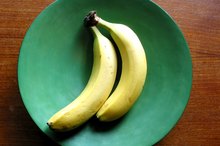
You will know when you are in the clear when you have that first feeling of actually being hungry. While your body needs food now that it can finally retain it, your mind is right to steer you away from steak dinners or macaroni and cheese. The first foods you should eat need to be bland, with natural sugars and carbohydrates. The best way to know what is safe to eat is to remember the BRAT diet: Bananas, Rice, Applesauce and Toast. While you can take a few liberties and use the BRAT diet as more of a guideline, don't overdo it or push your body farther than you can stomach.
While bananas and applesauce are pretty clear-cut, the rice portion of the diet can be in the form of dry Rice Chex, or rice cakes. As for the toast, while old wives' tales say burnt toast is best, it can also be modified: Try plain crackers like Ritz or Saltines, and pretzels at first. Once they have stayed down for a few hours, you can move up to chicken noodle soup or chicken and rice soup, adding both liquids and solids in one meal. For the next day you may still feel weak, and it is advisable to remain with the BRAT diet before you challenge your digestive system with anything substantial.
- You will know when you are in the clear when you have that first feeling of actually being hungry.
- While your body needs food now that it can finally retain it, your mind is right to steer you away from steak dinners or macaroni and cheese.
Related Articles
What to Eat When You Have a Stomach Flu
Learn More
Foods to Avoid With the Stomach Virus or Flu
Learn More

Diet for a Slow-Emptying Stomach
Learn More

Home Remedy for Cleaning Your Taste Buds and Palate
Learn More
How to Treat Diarrhea and Sour Stomach
Learn More
The Foods to Avoid When a Child Has the Rotavirus
Learn More

First Signs of a Stomach Virus
Learn More
Diet for Diarrhea With Bloating
Learn More
The Bland Diet for a Stomach Flu
Learn More
Soft Diet List After Bowel Surgery
Learn More
References
- The BRAT diet
- Rabbani GH, Larson CP, Islam R, Saha UR, Kabir A. Green banana-supplemented diet in the home management of acute and prolonged diarrhoea in children: a community-based trial in rural Bangladesh. Trop Med Int Health. 2010;15(10):1132-9. doi:10.1111/j.1365-3156.2010.02608.x
- Kianmehr M, Saber A, Moshari J, Ahmadi R, Basiri-moghadam M. The Effect of G-ORS Along With Rice Soup in the Treatment of Acute Diarrhea in Children: A Single-Blind Randomized Controlled Trial. Nurs Midwifery Stud. 2016;5(2):e25852. doi:10.17795/nmsjournal25852
- Guarino A, Guandalini S, Lo vecchio A. Probiotics for Prevention and Treatment of Diarrhea. J Clin Gastroenterol. 2015;49 Suppl 1:S37-45. doi: 10.1097/MCG.0000000000000349
- Churgay CA and Zafra A. Gastroenteritis in Children: Part II. Prevention and Management. Am Fam Physician. 2012 Jun 1;85(11):1066-1070.
- Duro D. and Duggan C. The BRAT Diet for Acute Diarrhea in Children: Should It Be Used? Practical Gastroenterology 2007 31:60-68.