How to Care for a Hobbit Jade Plant

How to Care for a Hobbit Jade Plant thumbnail
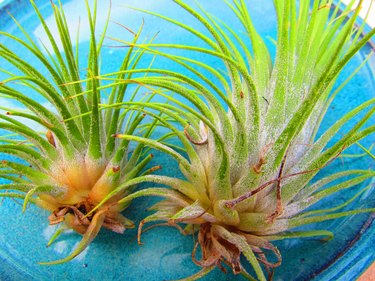
Hobbit jade is a succulent plant.

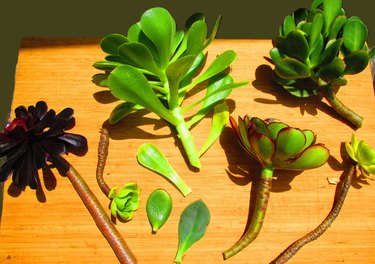
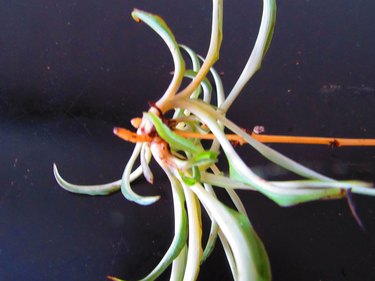
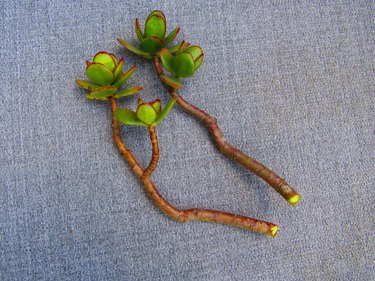
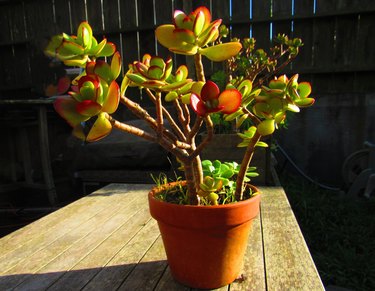
Crassula portulaceae is nicknamed the hobbit jade plant or the gollum plant because the leaves of the plant look like hobbit fingers. It is a succulent plant, which means, like a cactus, it stores water in its roots. The hobbit jade is only hardy down to 20 to 25 degrees Fahrenheit, which means that it will not survive outdoors in most of the United States. When planted in regions with temperatures that dip below that, it must be potted. Does this Spark an idea?

Things You'll Need

  • Peat
  • Perlite
  • Pot (optional)
  • Water
  • Fertilizer
  • Larger pot (optional)
Show More

Instructions

    • 1

      Place the hobbit jade plant in full sun. If potted, make sure that your plant is in a well-drained potting solution of one part peat and one part perlite with drainage holes in the bottom of the pot. If you plant this succulent outdoors, find an area with well-drained soil and full sun.

    • 2

      Water the hobbit jade plant thoroughly during the growing season from early spring to late fall. Allow the soil to dry completely between watering. Do not let the plant sit in puddles of water as this will almost certainly cause root rot for the plant.

    • 3

      Fertilize once in the spring after growing begins. Use a fertilizer high in phosphorus, which is the second number in the analysis. For example, 15-30-15 means that that fertilizer contains 15 percent nitrogen, 30 percent phosphorus and 15 percent potassium, while the rest of the fertilizer contains other nutrients and fillers. Follow the directions on the package, diluting the fertilizer to half strength.

    • 4

      Decrease watering frequency in the winter. The main reason for failure of these plants is over-watering. At this time, water only enough to keep the leaves from shriveling.

    • 5

      Re-pot the hobbit jade plant in the spring when it starts to outgrow its pot. Make sure the potting medium is completely dry before re-potting. Plants in the ground do not need to be moved.

Related Searches:

References

  • Photo Credit succulent plant image by Alison Bowden from Fotolia.com

Comments

You May Also Like

  • How to Draw a Hobbit

    Everyone loves a hobbit. With the relatively recent release of the Lord of The Rings movies, hobbits have hopped back on the...

  • Is a Jade Plant Poisonous?

    Crassula argentea, the scientific name for the jade plant, is a member of the Crassulaceae family. A succulent, South African desert plant...

  • What Is the Meaning of a Jade Plant?

    The jade plant (Crassula ovata) is often called the "friendship plant" or the "money tree" and is a staple in many Asian...

  • A Jade Plant Is Wilting

    The jade plant (Crassula ovata) is a tender succulent whose easy-to-grow and propagate nature makes it a common houseplant. Although jade usually...

  • How to Care for Jade & Cactus

    Succulents like jade and cactus, whether grown indoors or out, provide gardeners with visually interesting plants that require much less care and...

  • Jade Plant Care and Feeding

    Jade plants originated in China. They are desert succulent plants, which means they store water in their fleshy leaves in anticipation of...

  • How to Pot a Jade Plant

    Jade plants are thick-stemmed plants with fleshy leaves that store water. They have a natural bonsai tree look to them, and they...

  • How to Root a Cutting From a Jade Plant

    Jade plants are succulents that produce glossy, fleshy, green leaves on an attractive, sprawling stem. They are simple plants to grow as...

  • How to Look After a Jade Plant

    The jade plant (Crassula ovate) can grow up to 5 feet tall. The plants are native to southern Africa. Many varieties of...

  • How to Dress Like a Hobbit for Halloween

    Hobbits may not be the strongest breed noted in the Lord of the Rings series by J.R.R. Tolkien, but they are certainly...

Related Ads

Featured