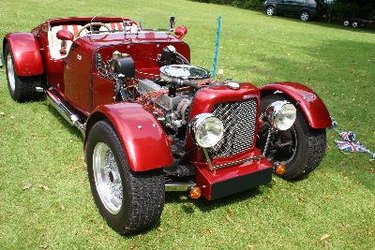
Urethane and acrylic enamel paints are most commonly used for auto body finishes. Acrylic enamel is the more traditional option that was used on older cars. Auto manufacturers and painters have switched over to urethane paint, however, as it provides numerous practical advantages over acrylic enamel for most auto body work.
Cost
Video of the Day
Cost is the only practical area in which acrylic enamel has an advantage over urethane paint. Acrylic enamel costs approximately half as much as the same quantity of urethane paint. The exact price difference varies based on the quantity of paint being purchased, manufacturer and if it is being purchased retail or wholesale. Despite the potential price fluctuations, acrylic enamel is always cheaper than urethane paint by a significant amount.
Video of the Day
Ease of Use
Urethane paint is easier to apply than acrylic enamel. Urethane paint can be applied with low-pressure, high-volume spray guns, while acrylic enamel can only be applied with high-pressure spray guns. Urethane paint sprays in larger drops, creating better surface coverage. The primer color matters more when using acrylic enamel because it does not reliably cover the primer completely. Urethane paint will cover the primer completely, which means it does not require the same exacting selection of primer. Acrylic paint has a 24- to 48-hour drying time, as opposed to the two to three hours for most urethane paints.
Durability
Urethane finishes are much more resilient than acrylic enamel finishes. The exact length of time a finish lasts varies on a variety of different factors, but urethane finishes consistently last five to 10 years longer than acrylic enamel finishes under the same conditions. Acrylic enamel paint is more prone to chipping, cracking and wearing down since it lacks the hardeners used in urethane paints.
Restoration
Nowadays, acrylic enamel users are mostly restorers who want to paint cars to the exact original specification. The original factory specifications of many older cars call for acrylic enamel paint. Not all restorers go to this level of detail. Acrylic enamel, however, is a better choice for replicating factory orange-peel paint jobs, which is a finish that dries with a bumpy surface rather than smooth. This effect is much more difficult to replicate with urethane paint.