How to Distress Painted Wood

How to Distress Painted Wood thumbnail
Distressed wood

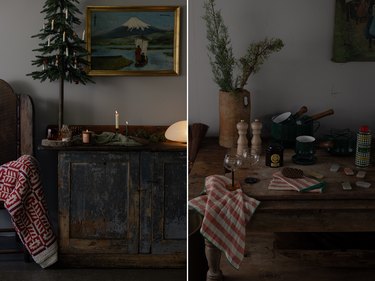
Distressed wood furniture is a popular feature of the shabby elegance style of home decorating. Rather than old and worn out, these pieces are designed to look elegantly worn and comforting. Purchasing new distressed furniture can be costly, but fortunately, distressing your own painted wood pieces is quick, easy, affordable ... and fun! Be careful--once you start distressing furniture and see what beautiful pieces you can create all by yourself, you may find yourself scouring yard sales and flea markets for more wood pieces to distress!

Things You'll Need

  • Painted wood piece
  • Medium-grit sandpaper
  • Hammer, screwdriver or chains
  • Paintbrush
  • Satin polyurethane clear coat
Show More

Instructions

    • 1

      Select a piece of wood furniture that, when distressed, will fit the decor of your home. A piece may have only one layer of paint, in which case your distressing will show the bare wood underneath. Or it may have multiple layers of paint in different colors, which will all show through as you work on the piece. Ensure that your project is real wood rather than particle board, which will not withstand the distressing process.

    • 2

      Sand the areas that would normally show wear with a medium-grit sandpaper. This includes any raised edges or areas around knobs and handles. Sand until you see the bare wood or layer(s) of paint underneath.

    • 3

      Whack the piece of furniture with the hammer, screwdriver or chains to additionally distress your project. Use enough force to mark the piece, but not so much that you destroy it. Be careful not to over-distress your project. Step away frequently to ensure you are seeing the whole project and not just the area you are working on.

    • 4

      Seal your project by painting on a satin polyurethane clear coat.

Tips & Warnings

  • Optionally, you may choose to do a practice piece and experiment with different techniques before tackling your main piece.

Related Searches:

References

Resources

  • Photo Credit wood texture background image by Maya Tairy from Fotolia.com

Comments

You May Also Like

Related Ads

Featured