This Season
 

How to Recover From a Foot Injury

How to Recover From a Foot Injurythumbnail
Recover From a Foot Injury

It sometimes takes up to 6 weeks for a foot to recover from an injury. Put your feet up as often as you can and give your body time to heal.

Related Searches:
    Difficulty:
    Moderately Easy

    Instructions

    Things You'll Need

    • Aspirins
    • Cane
    • Crutches
    • Heating Pads
    • Ibuprofen
    • Ice Packs
    • Ice packs
    • Heating pads
      • 1

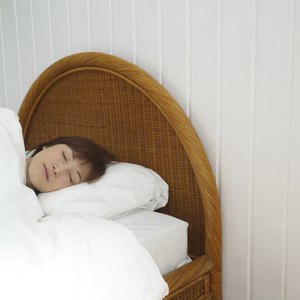
        Rest your foot. As much as you can, sit down and keep your foot elevated to chest level. Place a pillow under your heel to prevent pressure sores from developing.

      • 2

        Apply ice to the injured part of the foot - 30 minutes on and 30 minutes off - for the first 2 days.

      • 3

        Take lukewarm showers or baths for the first 3 days. Avoid getting water on your foot if you can.

      • 4

        Walk with assistance: an arm, a cane, a walker, or crutches.

      • 5

        Avoid massaging or scratching your foot. Unless advised by your doctor, it's better to keep your hands off your injured foot.

      • 6

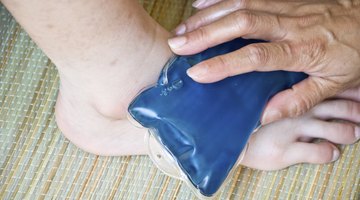
        Apply warm compresses or a heating pad - 30 minutes on and 30 minutes off - after the first 2 to 3 days.

      • 7

        Check your temperature. A fever greater than 99.6 degrees F and lasting longer than 24 hours should be reported to your doctor.

      • 8

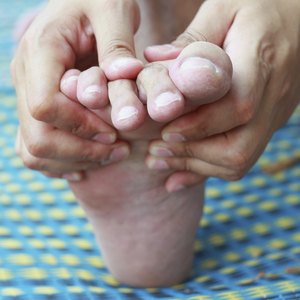
        Check the toenail bed of your injured foot for blanching. Your big toe is best, but do not use the big toe if it is injured. To blanch, press your thumb into the nailbed. It will look white when you first remove your finger, but should turn pink again in less than 6 seconds. If the nailbed is still white after 6 seconds, the circulation in your foot is compromised. Call your doctor.

      • 9

        Take aspirin or Ibuprofen for pain relief.

    Tips & Warnings

    • It is important to use ice for the first 48-72 hours, because cold makes blood vessels constrict. Constricting vessels help decrease swelling and bruising.

    • Never put ice directly onto skin. Crushed ice works best.

    • Heat is beneficial after the initial swelling has gone away. It causes the blood vessels to dilate, and increases blood flow and lymph fluid to the injured foot, which facilitates healing.

    • To lessen the possible stomach side effects of Ibuprofen, take with food or milk.

    • Never take more than six Ibuprofen in 24 hours. Never take Ibuprofen if you are allergic to aspirin. Do not give Ibuprofen to children under 12 years old unless you have consulted your doctor.

    • Never take more than eight aspirin in 24 hours. Aspirin should not be given to children and teenagers unless okayed by your doctor.

    • If symptoms persist or if you have specific medical conditions or concerns, we recommend you contact a physician. This information is not intended to be a substitute for professional medical advice or treatment.

    Related Searches

    Read Next:

    You May Also Like

    • How to Wrap an Injured Foot

      A sprain, cut or other injury to the foot can often be treated by wrapping the injured area. An Ace wrap is...

    • How to Alleviate Diabetic Foot Pain With Alternative Treatments

      Diabetes is caused by the inability to produce insulin and/or proper utilization of insulin in the body. Diabetes is a multi-organ and...

    • How to Get Rid of Swollen Feet

      When feet become swollen, bloated or inflamed on a regular basis--it could be the result of a serious medical condition such as...

    • Remedies for Swollen Feet & Ankles

      The old adage of RICE--rest, ice, compression and elevation--for swollen ankles and feet from an injury is a tried and true formula...

    • Cure For Feet Swelling

      Swollen feet, or edema in the feet, is a common problem, especially for those who spend a good deal of time on...

    • Scaffolding Injuries

      Scaffolding Injuries. OSHA estimates that 2.3 million construction workers work frequently on scaffolds, also referred to as elevated work platforms. Scaffolding ...

    • How to Heal Foot Pain

      Foot pain can be caused by a variety of things, including bunions, hammer toes, plantar fasciitis, bone spurs, metatarsal deformities and arthritis....

    • How to Heal Foot Spurs

      Foot spur is a calcified version of plantar fasciitis. An injury to the plantar fascia may result in calcification at the site...

    • How to Treat a Swollen Ankle

      A swollen ankle can be the result of an extremely painful ankle injury. The main parts of treating such an injury are...

    • Torn Foot Ligament Recovery

      Tearing a ligament in your foot is an extremely painful injury. Ligament tears usually occur from twisting your ankle. Five ligaments are...

    • How to Heal Foot Ligaments

      Ligaments on the soles of the foot bear a lot of weight on them. An undue amount of stress placed on these...

    • How to Recover From an Achilles Injury

      Whether you have achilles tendonitis, or a torn tendon in your achilles, it can take time to recover from a achilles injury....

    • How to Rehabilitate Common Football Injuries

      Football is a contact sport. As with any contact sport, injuries can happen when you play football. Knee injuries, shoulder injuries and...

    • Causes of Leg, Hamstring & Foot Swelling After Exercises

      An important step in training is to be able to recognize the source of pain. There is a difference between the pain...

    • How to Reduce Swelling After Liposuction

      Swelling occurs after liposuction during the healing process. There will always be some swelling after surgery, but taking the right steps will...

    • How to Treat a Swollen Foot

      The first course of action when deciding how to treat a swollen foot, also known as edema, is to determine the cause....

    • How to Treat Foot Injuries in Ballet

      A plumber’s tools include his wrench, an executive needs his PC, and the most important tool a ballet dancer has is his...

    • Broken Foot Problem Healing

      Broken feet are a common injury and may result from repetitive pressure from walking, running or playing sports. People with broken feet...

    • Groin Injury Recovery

      A person immobilized by a groin injury may need two days to 10 weeks to fully recover. Recovery time depends of the...

    • How to Recover From a Coccyx Injury

      A coccyx injury (coccydynia) is an injury to your tail bone, which is made up of three to five smaller bones located...

    Follow eHow

    Related Ads