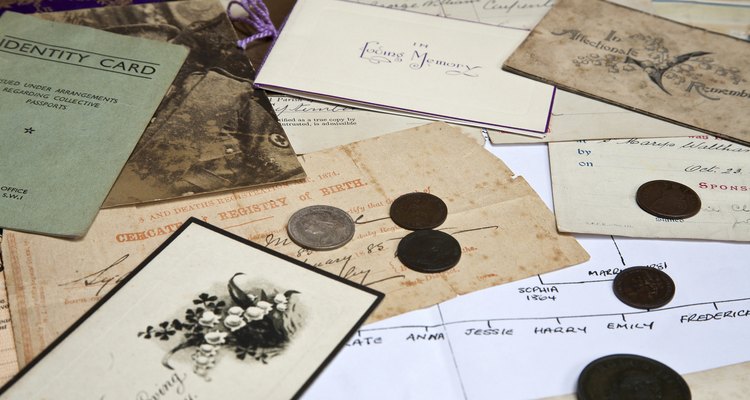
Ed Phillips/iStock/Getty Images
You can find out if you're related to someone with a DNA test, provided the other person is also available for a DNA test and willing to take it. If not, genealogy searches can help. Many commercial firms and one well-known non-profit specialize in one or both processes.
Autosomal DNA Testing
A test that measures the number and length of common DNA segments establishes kinship. As of this writing, the best test for this purpose is an Autosomal DNA test. Every human being has 22 pairs of autosomal chromosomes. Contemporary DNA testing checks hundred of thousands of autosomal chromosome locations in your DNA and the DNA of your possible relative to establish the length and number of matching DNA segments. At a minimum, the result establishes the probability of kinship.
Some of the better known DNA testing services are:
- Family Tree DNA
- AncestryDNA
- 23andme
- MyHeritage
- LivingDNA
These companies all provide very similar services and usually cost from $60 to $100, with frequently discounted sale prices. Each company provides a test kit with easily followed instructions.
Limitations of DNA Testing
Companies offering these DNA tests often claim they can not only establish kinship – which requires only that you both have at least one common ancestor – but can tell you exactly how you're related. This latter claim has been questioned by objective third parties with scientific credentials. It's not that these tests are useless, but that they report as certainties what are only probabilities. Yes, you may be related to someone famous, but the test results don't prove that you are.
Genealogy Searches
Most of these same companies also offer to search your genealogy and to provide a family tree report that lists your ancestors and your specific relationship to each.
The Church of Jesus Christ of Latter-day Saints offers a well-regarded genealogy search service that's free. The listed for-profit companies offer introductory search services that range in price from free to under $200. If you use the least expensive introductory service, expect to be offered better searches at higher prices.
All basic searches use similar methods based on available public databases. Rather than giving you a specific family tree, they give you the results of their searches along with some advice on how to use the information provided. It's up to you to use this data to establish your family tree, which can be a tedious and lengthy process.
Some of these firms also provide custom searches that will likely return a credible family tree, showing each of your ancestors by name, dates of birth and death, where they lived and your specific relationship to each. These searches aren't cheap, aren't guaranteed and are quoted by the hour, not the result. A search by professional genealogists to find a grandparent born in the 19th century in Ireland, for example, might cost from $3,000 to more than twice that.
Related Articles

How to Map German Surnames

How to Find Your Bloodline

How to Locate People for Free
How to Calculate Your Native American ...

How to Trace Your Family Tree for Free

How to Find a Grave Site on "Find A ...

How to Find Out Where Your Family Came ...
How to Become a Member of Native Tribes

How to Find a Deceased's Last Known ...

How to Find a Person's Address for No ...

About Blind Singles Dating Sites

How to Find Someone's Birth City & ...

How to Find a Relative for Free

How to Trace the History of a Name

How to Look Up People Who Were in the ...
How to Figure Out My Scottish Clan
How to Find a Person in California

How to Find a Relative in South Africa

How to Find an Obituary
How to Find Someone's Relatives
References
Resources
Writer Bio
I am a retired Registered Investment Advisor with 12 years experience as head of an investment management firm. I also have a Ph.D. in English and have written more than 4,000 articles for regional and national publications.
Photo Credits
Ed Phillips/iStock/Getty Images