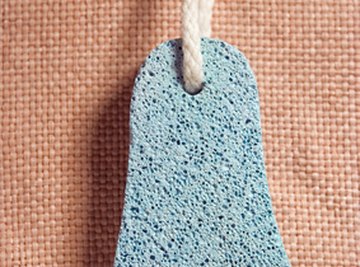

Because water can pool in a sink, rust can build up on a drain flange and the surrounding porcelain. The solution is two-fold. The strategy for the porcelain is to find a substance that is harder than rust and softer than porcelain. Fortunately, pumice stones fit this description. As for the metal, the acid ingredient in cola that gives it a tangy flavor–phosphoric acid–can degrade the rust on the metal much faster than it etches the metal itself.
- Naval jelly
- 85 percent solution, phosphoric acid
- Gloves
- Paper towel
- Non-metallic brush
- Pumice stone
Get some phosphoric acid at a home improvement store or a local chemical-supply store. Look for an 85 percent solution is ideal. You can dilute higher concentrations with distilled water. You can also use naval jelly, which has phosphoric acid. Cola might also work, if left overnight.
Close the drain. In other words, lower the stopper.
Use gloves and wet a piece of paper towel that will cover the rust stain on the drain metal.
Dampen the paper towel with the phosphoric solution. Leave it on for a few minutes. Then pour a solution of baking soda and water onto the paper towel to neutralize it. Because you’re adding a base water to acid instead of acid to water, you’ll get an animated reaction.
Raise the stopper and empty the sink. Brush the metal with a non-metal brush to get rid of any film left behind.
Wet a pumice stone, which you can get from the beauty section of most any drug store.
Scrape it against any porcelain that has rust on it. Use small strokes directly on the rust, like a pencil eraser. The rust will come right off the porcelain.
Things You'll Need
References
About the Author
Paul Dohrman's academic background is in physics and economics. He has professional experience as an educator, mortgage consultant, and casualty actuary. His interests include development economics, technology-based charities, and angel investing.
Photo Credits
pumice-stone image by Anatoly Tiplyashin from Fotolia.com