

How to Make a Multi-Catch Rat Trap

If you have a rat infestation and you are looking for an alternative to poison, but want to be able to make multiple catches, then a multi-catch rat trap is the way to go. Poisons kill rats, but then the decomposing rats leave horrible odors within walls and hard-to-reach places.
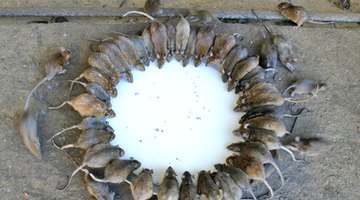
Avoid this stench by using a trap that can catch and kill dozens of rats each time you bait it. This method is called the bucket trap and drowns its victims.
Things You Will Need
- Plastic 5-gallon bucket
- Electric drill
- 1/2-inch drill bit
- 1/2-inch wood dowel, 14 inches long
- 8-oz. aluminum pop can
- Hammer
- 3/4-inch steel punch
- Tube of adhesive
- Caulking gun
- One 2-inch by 4-inch board, 24-inches long
- One piece of carpet 4 inches wide and 24 inches long
- 2 gallons of water
- Jar of peanut butter
- Butter knife
-
Locate the bucket handle hinges on each side of the bucket. Drill two holes through the plastic directly above these hinges on each side of the bucket with an electric drill using a 1/2-inch drill bit. Poke the wood dowel through the two holes to see if it fits. Remove one end of dowel from hole and leave it in the bucket.
-
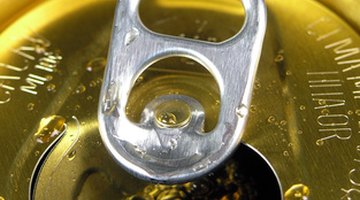
Place the pop can on a hard surface, tab down, and punch a hole through the bottom with hammer and 3/4-inch steel punch. Slide the free end of the wood dowel through this bottom hole through the can and out the tab end. Poke the wood dowel through the empty hole in the bucket and then center the pop can in the middle of the bucket. Spin the can on the dowel with your hand to make sure it spins freely.
-
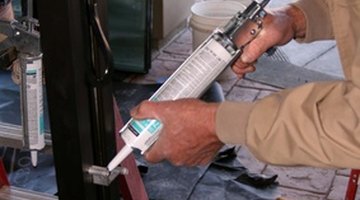
Load a tube of adhesive in to the caulking gun and squirt a bead along the entire length of the 2-inch by 4-inch board that is 24-inches long. Adhere the carpet to this board with the shag side of the carpet facing up. Lean this board so that one end is on the rim of the bucket and the other is on the ground with the carpet side facing up. This will act as the bridge for the rat to climb up to the edge of the bucket rim.
-
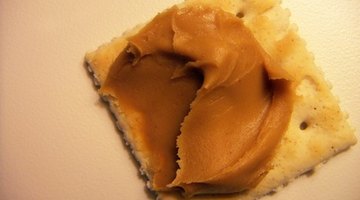
Place the bucket trap in the area where you desire to trap rats and then fill the bucket with 2 gallons of water. Bait the trap by covering the aluminum pop can with peanut butter using a butter knife.

The Drip Cap
- If you have a rat infestation and you are looking for an alternative to poison, but want to be able to make multiple catches, then a multi-catch rat trap is the way to go.
- Poke the wood dowel through the empty hole in the bucket and then center the pop can in the middle of the bucket.
- Place the bucket trap in the area where you desire to trap rats and then fill the bucket with 2 gallons of water.
Photo Credits
- sacred rats drinking milk image by Vladimir Melnik from Fotolia.com
- sacred rats drinking milk image by Vladimir Melnik from Fotolia.com
- rain buckets image by nastos from Fotolia.com
- pop top image by Ray Kasprzak from Fotolia.com
- glazier image by Greg Pickens from Fotolia.com
- peanut butter on a cracker image by robert mobley from Fotolia.com
More Articles

