How to Use a Refrigerator Crisper
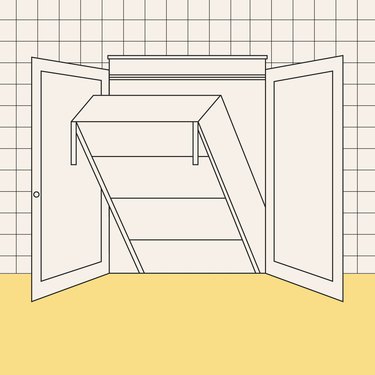
A refrigerator crisper allows for a more humid environment to safely store fruits and vegetables. These foods need water or they shrivel and rot. This is especially true for humidity-sensitive produce like lettuce, berries and mushrooms. However, too much humidity will cause condensation on your produce which gives fungi and bacteria a place to grow. Fruit and vegetables continue to grow or mature after being picked. Produce will last longer when stored in a crisper, preferably in a storage bag that will allow carbon dioxide and other gases to escape while still providing moisture. Does this Spark an idea?
Instructions
-
-
1
Adjust your crisper to a higher humidity by lowering the air flow to store lettuce, spinach and collard greens. Green onions also like a higher humidity. Modern refrigerators often have an adjustable slide on the crispers. This allows you to adjust the amount of air flowing through the drawer. Closing the air flow increases the humidity while increasing the air flow decreases the humidity.
-
2
Adjust your crisper to a medium humidity to store thin-skinned fruits like apples and tomatoes.
-
-
3
Adjust your crisper to low humidity to store items like citrus fruit. If room in your refrigerator is an issue, the thick-skinned citrus fruit do not have to be placed in the crisper, but can sit on any shelf.
-
1
Tips & Warnings
Most manufacturers set the crisper controls to the highest amount of humidity possible. If your crisper does not have an optional control, store your greens and other humid sensitive items in the drawer and store the thin-skinned fruits and vegetables on the shelf above the crisper.