How to Kill Earthworm Pests

How to Kill Earthworm Pests thumbnail
How to Kill Earthworm Pests

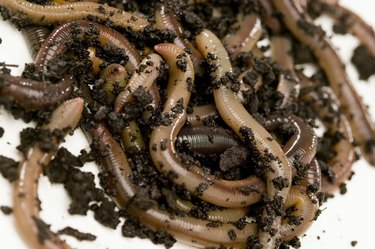
Earthworms can be beneficial to have around, or they can be pests. The beneficial qualities of having earthworms in a yard or lawn come from their ability to aerate soil and help decompose organic matter through the deep tunnels they dig in the soil. However, these tunnels can leave aesthetically unappealing mounds of clumpy dirt, otherwise known as castings, on lawns. If the unappealing earthworm mounds are outweighing the functionality of the earthworm tunnels, then earthworms become pests, and pests are best gotten rid of. Does this Spark an idea?

Things You'll Need

  • Insecticide
  • Fertilizer
  • Yard tools
  • Gloves
  • Fungicide (optional)
Show More

Instructions

    • 1

      Use a carbamate insecticide to kill the earthworms. Some carbamate insecticides include carbaryl (Sevin), bendiocarb (Turcam) and propoxure (Baygon). Use about as much insecticide to kill the earthworms as you would to kill grubs, which is generally 4 to 8 lb. of active ingredient per acre of lawn, suggests the Sports Turf website.

    • 2

      Reapply the insecticide each season to continue to keep earthworm populations low. The insecticide will not reduce the earthworm population for more than a season at a time. For further instructions on mixture and application period, consult the insecticide manual, container or manufacturer.

    • 3

      For a natural approach to killing earthworms, use a fungicide, such as benzimidazole fungicide or carbamate fungicide. Some benzimidazole fungicides include benomyl, thiabendazole and thiophonate-methyl. Carbamate fungicide brands include Bromosan, Lesco Thiram, Spotrete and Thiramad. Consult the fungicide manaul, container or manufacturer for further application details because each fungicide varies in strength and duration.

    • 4

      To reduce the earthworm food supply, and, therefore, reduce the earthworm population, gather and remove grass clippings from the lawn. This will also take away from the soil nutrients, informs the North Carolina Cooperative Extension, so it is important to add fertilizer to the lawn to account for the decrease in clippings, which are generally considered a form of fertilizer (an especially cheap form at that).

    • 5

      Make sure that the area where the earthworms are living has proper drainage. Earthworms tend to thrive in poor-drainage areas, and reducing water and moisture buildup will help keep their population in check.

Tips & Warnings

  • Killing earthworms deprives your lawn of their nutrients, so always supplement a newly earthworm-free lawn with fertilizer to keep it in healthy condition.

  • Make sure to wear proper safety equipment, including gloves and long sleeves and pants, when working with chemicals such as insecticides. Avoid inhaling or coming into skin contact with insecticides.

Related Searches:

References

  • Photo Credit Jupiterimages/liquidlibrary/Getty Images

Comments

You May Also Like

  • How to Kill Lawn Earthworms

    Earthworms are considered beneficial to lawns because they help decompose organic matter. Some species, however, make mounds that detract from a lawn's...

  • How to Kill Fescue in a Bermuda Lawn

    A green fescue lawn won't stay green for long if it becomes infested with Bermudagrass. Bermudagrass is a troublesome weed that will...

  • How to Kill Grubs and Earthworms

    White grubs and earthworms are common lawn pests. Dig up a few inches of your lawn and the soil beneath it, and...

  • How to Exterminate Earthworms

    Earthworms benefit the garden by enriching and aerating the soil. However, in some parts of the garden like the lawn, the worms...

  • How to Dissect an Earthworm

    Earthworms are an important part of our ecosystem. They build tunnels and make the Earth's soil rich so that plant life can...

  • Earthworms & Lawns

    Despite producing a bumpy appearance in the lawn, earthworms (Lumbricus terrestris) are beneficial. Earthworms pose no danger to the lawn. They do...

  • What Kills Earthworms?

    There are many different species of earthworms. To some people, earthworms are considered pests, while others may consider earthworms a natural and...

  • How to Get Rid of Earthworms in Lawns

    Earthworms are beneficial for soil, but can be a pest when the castings are left behind on the ground surface. The castings...

  • How to Attract Earthworms

    While there are many pests that invade gardens each summer, the earthworm is not considered one of them. Instead, earthworms are quite...

  • Will Vinegar Kill Garden Worms?

    There are about 2,700 species of earthworms, ranging in size from about ½ inch long to about 3 to 4 feet long...

  • How to Kill Mushrooms Growing in My Lawn

    Other than being unattractive, mushrooms don't cause any real damage to lawns. For this reason many people don't like mushrooms growing in...

  • How to Kill Moles With Castor Beans

    Moles can be a very troublesome pest to a home garden or lawn. They feed on the grubworms and earthworms that reside...

  • How to Kill Ticks Outside

    Ticks are tiny insects that need a host to survive. Sometimes they will choose a human or a pet as a host....

  • How to Kill the Moles in a Yard

    Most homeowners consider moles to be pests and with good reason. They leave unsightly molehills behind as they dig and their network...

  • How to Control Earthworm Populations

    Earthworms have many benefits in every garden because they help break up organic material. However, the tunnels they dig create castings or...

  • How to Protect Garden Earthworms

    Earthworms are an essential ingredient in creating a successful ecosystem that will ensure your organic garden thrives. Not only do they process...

  • How to Kill Grubs Without Pesticides

    Grubs are the larval form of beetles and they damage your grass and your plants by nesting in the ground and eating...

  • How to Dig Earthworms

    Earthworms wriggle around in the ground, forming tunnels that help guide water to plant roots and loosening the soil so that the...

  • Beneficial Nematodes and Earthworms

    When you think of worms that live in the soil, your first thoughts will likely be the earthworm. However, there are many...

  • How to Identify Earthworm Eggs in Soil

    Earthworms lay eggs inside amber-colored cocoons their bodies produce. Premature eggs that come out of their protective cocoons will shrivel and die....

Related Ads

Featured