
How to Breed Sardines

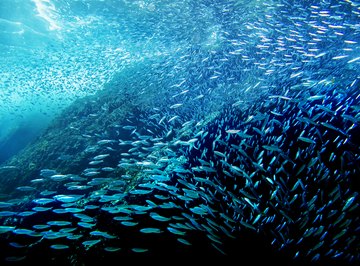
Sardines are always in high demand due to their high content of omega-3 fatty acids and their inconsistent breeding patterns. Native to oceans around the world and abundant in Lake Tanganyika in west central Africa, the sardine cichlid can be imported from online retailers or purchased from exotic fish stores to be raised and bred in home aquariums. Sardines are easy to care for: They are not picky eaters, they do not eat their young and they are not aggressive unless the male to female ratio is disproportionate. Successful breeding is dependent upon happy fish, so it is vital to mimic their natural habitat.

Things You'll Need

  • Aquarium(s)
  • Rocks
  • Substrate
  • Thermometer
  • Heater
  • Flakes
  • PH testing kit
  • Native salt
Show More

Instructions

    • 1

      Obtain sardine cichlids. Sardine species are classified by geographic location, the variations being mostly in coloration. Males display colorful scales while females are typically gray. There are two sizes: standard and jumbo. Standard are slightly smaller, growing 3 to 3 1/2 inches long; jumbo sardines reach up to 5 inches in length. In the wild, sardines live in schools of thousands of fish, but they will be happy in a minimum size school of between 10 and 20. The male to female ratio is optimally one to two. Costs range from $10 to $130 per fish as of January 2010.

    • 2

      Purchase an aquarium that coincides with the type of sardine you are going to breed. The minimum size for a school of standard size sardines is 4 feet by 20 inches by 18 inches. The minimum size tank for jumbo sardines is 4 feet by 2 feet by 2 feet It is better to overcompensate with the size of the tank, as sardines are active swimmers. A tight fitting lid is essential; without it, sardines will likely jump out.

    • 3

      Construct a rock wall somewhere in the aquarium that the fish can swim around. The wall must reach all the way to the surface of the water. In the wild, sardines spend most of their time swimming among rocky shorelines or outcrops.

    • 4

      Consider including substrate. You do not have to cover the bottom of the tank with anything, but if you'd like, sand works well. The more room for swimming, the happier the sardines.

    • 5

      Purchase fish flakes to feed your sardines and also offer them an occasional frozen aquatic treat. Sardines are not picky. In the wild, they eat primarily plankton. Discuss the type of flakes with an expert at your local pet supply store and follow directions on the packaging.

    • 6

      Fill the tank with water that has a pH of between eight and nine alkaline on the pH scale. You should keep the water at a temperature of 75 degrees Fahrenheit. This might require that you purchase a thermometer and tank heater at your local fish supply retailer.

    • 7

      Acclimate the sardines to their new home by placing them in bags in the water they came in atop the tank water for an hour.

    • 8

      Release them, adding the water they came with to the tank, and let them explore. Reproduction will occur naturally. There will be 5 to 25 eggs produced for each union, but most of them won't survive. This low survival rate is one reason why sardines are always in high demand. The young school themselves, after which you can transfer them to separate tanks to continue the breeding process.

Tips & Warnings

  • Some breeders find that adding salt from the sardine's native waters enhances breeding success.

Related Searches:

References

Resources

Comments

You May Also Like

  • How Are Sardines Processed?

    Sardines appear in little cans on the shelves of food stores. You may wonder how these tiny fish got into those cans...

  • What Do Sardines Eat?

    You may never have given sardines a thought. Of course you have heard of them -- they are a type of fish....

  • How to Fish for Sardines

    Sardines make good bait to catch larger fish, such as sailfish, wahoo, king mackerel, grouper and snapper. One of the quickest and...

  • Types of Sardines

    Types of Sardines. Named after the Italian island of Sardinia because of the plentiful numbers in that region, sardines are small oily...

  • How to Make Sardines

    When you mention sardines, many people think of sitting around a campfire, eating for survival rather than for enjoyment. Although canned sardines...

  • How to Preserve Fresh Sardines

    Sardines are one of the most popular kinds of canned fish worldwide. They are believed to have been first canned in the...

  • Dietary Supplements for Raising HDL Levels

    When you find out you need to lower your total cholesterol levels, it is as important to raise your HDL (good) cholesterol...

  • How to Breed Betta Fish

    Betta fish are known for their intense reaction when put in the same bowl as another betta. In reality, it is only...

  • Sources of Coenzyme Q10

    Small fish like sardines are high in coenzyme Q10 sardines texture image by João Freitas from Fotolia.com

  • What Are Brisling Sardines?

    Brisling (also known as bristling) sardines are small fish that inhabit the North Atlantic. According to International Fish Canners, gourmets around the...

  • Difference Between Sardines & Pilchards

    The differences between sardine and pilchard species are not always easy to identify, because the two terms are often used interchangeably. Sardines...

  • How to Catch Spanish Sardines

    Spanish sardines are small fish that commonly grow to around 10 inches in length. Members of the herring family, Spanish sardines have...

  • Tips for Catalina White Sea Bass

    Tips for Catalina White Sea Bass. Catalina white sea bass are a type of white sea bass found around Catalina Island off...

  • Brands of Sardines

    Brands of Sardines. According to the World's Healthiest Food's website, sardines are a great addition to your diet because they promote heart...

  • How To Raise Tilapia

    Native to Africa, Tilapia are freshwater fish that are fairly easy to breed. They tolerate most water quality and can even adapt...

  • The Best Foods for Men

    Eating healthy and living an active lifestyle are important to stay fit, but everybody is different. Men and women have different needs,...

  • Ways to Eat Sardines

    Sardines are often neglected as a main course for meals, even though they are nutritious, filled with vitamins and minerals. You might...

  • How to Can Sardines

    Sardines are small herring fish that are caught and canned, then sold in local markets. These small fish are widely eaten on...

  • How to Make a Sardine Surprise for Cats

    Add a little pizazz to your cat's diet, and treat your furry feline friend to some special sardine surprise. Sardine surprise is...

Related Ads

Featured