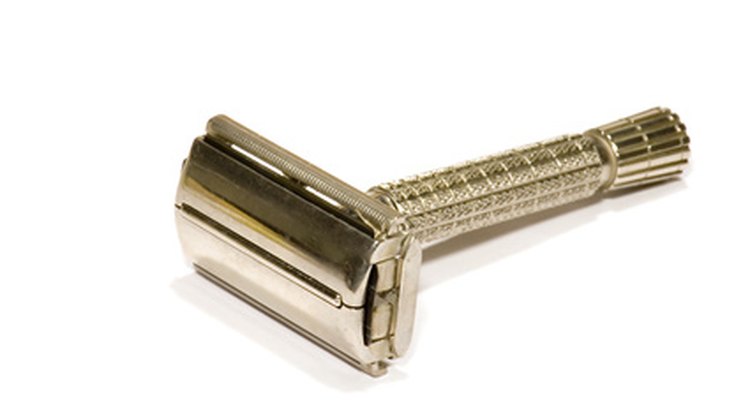
The 4.25-ounce Merkur Futur razor is a solid piece of shaving equipment with enough heft to cut stubble without any applied pressure. The double blades are adjustable for skin type and skill level, and the head of the razor is detachable to make blade cleaning and changing easier. If you're using a double-blade razor for the first time, you will probably experience some cuts and skin irritation with the first few shaves. These nicks and razor burns will subside over time, as you and and your skin become more accustomed to shaving with a double-blade razor.
Soften your stubble before shaving by taking a hot bath or shower. As an alternative, run a washcloth under hot water and press it to your face for 30 seconds. Softening your stubble further by applying a preshave oil to your face can help reduce razor burn and cuts. Apply any preshave oil in a gentle, circular motion.
Apply shaving cream to your face. If you're using preshave oil, the shaving cream will go right over the oil. Wash and thoroughly dry your hands after applying oil and shaving cream to prevent razor slippage in your hand while shaving.
Adjust the setting on your Merkur Futur razor to meet the needs of your skin type and your level of facial hair growth. The settings designate the degree of blade gap. A setting of "1" designates the smallest blade gap and exposes less skin to the blade, making it best for sensitive skin and light stubble. A setting of "6" designates the largest blade gap and provides a more aggressive shave for tougher beards.
Start by shaving the easy-to-reach sides of your face. Hold the razor at a roughly 30-degree angle to the face and take only one pass or stroke with each swath. Cut in the direction that your facial hair is growing. The strokes for the sides of your face will be longer strokes. Place your Merkur Futur razor head under hot running water after each stroke, to remove shaving cream and facial hair buildup.
Make short, gentle strokes above your upper lip, under your lower lip and on your chin. Again, cut only in the direction your facial hair is growing.
Make long, extremely gentle shaving strokes on your neck in the direction your stubble is growing. Do not cut in any other direction but vertically.
Splash your face and neck with hot water, and dry off with a clean towel. Thoroughly rinse the head of your Merkur Futur razor under running water and let it air dry. Replace the razor blades in your Merkur Futur razor every four shaves to continue getting a close shave.
Related Articles

How to Get a Closer Electric Shave

How to Stop Facial Redness From Shaving

How to Shave the Bikini Line With No ...

How to Prevent Underarm Bumps

Proper Way to Use a Foil Shaver

How to Remove the Blade on a Schick ...

How to Keep From Getting Ingrown Armpit ...

How to Shave Without Leaving a Shadow
How to Shave With an Electric Razor
How to Make Thin Sideburns
How to Shave Stubble

How Do I Use a Norelco Shaver?

Shaving a Goatee Under the Chin
Shaving Armpits the Correct Way

Schick Quattro Instructions
Proper Way to Shave a Mustache

How to Shave Legs With an Electric ...

How to Even Out a Growing Beard

How to Use Schick Quattro TrimStyle
How to Shave Pubic Hair Without Getting ...
References
Writer Bio
Juan Ramirez has been a writer for over 14 years and worked for two years as an assistant editor with an internationally circulated journal. Ramirez holds a Bachelor of Arts in English writing from Potsdam State University and a Master of Arts in individualized study from New York University.
Photo Credits
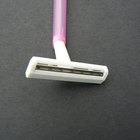
razor image by Aleksandr Ugorenkov from Fotolia.com