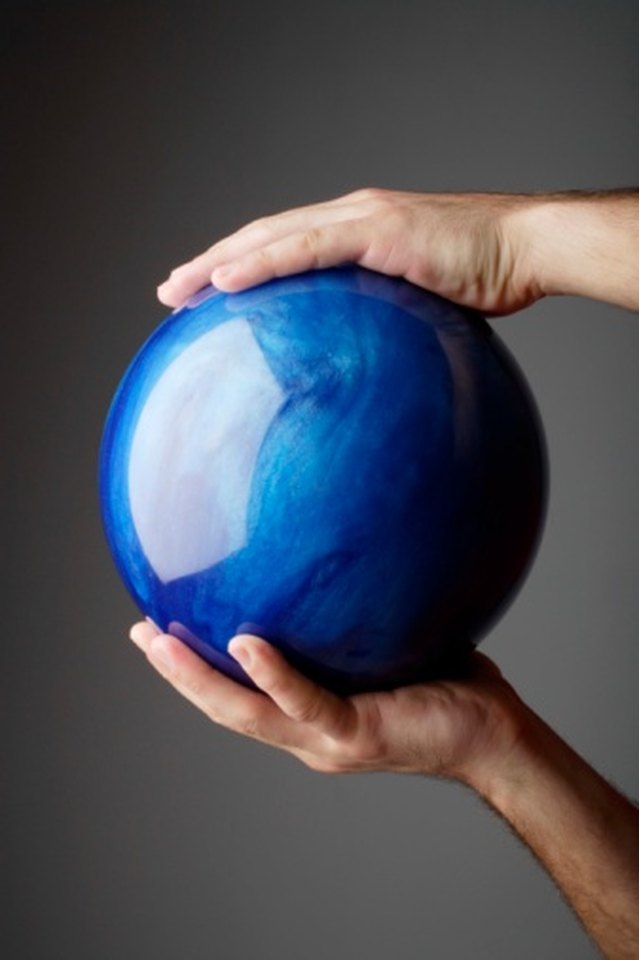
How to Clean an Ebonite Gyro Bowling Ball

No bowling ball is immune to lane oils and dirt that can get trapped in the surface pores of the ball and adversely affect your game. Although it is recommended to have your Ebonite Gyro bowling ball polished and professionally cleaned on occasion, you will still want to maintain the cleanliness and luster of the ball surface yourself. Regular maintenance of your Ebonite Gyro ball will save you money and lengthen the time needed between professional services.

Things You'll Need

  • Oil-free microfiber cloth
  • Professional spray cleaner
  • Rubbing alcohol
Show More

Instructions

    • 1

      Clean your Ebonite Gyro bowling ball after each bowling session to avoid any buildup of lane oils, dirt and belt marks. You should also keep an oil-free microfiber cloth with you while bowling to give a quick wipe to the ball after each turn.

    • 2

      Examine the coverstock finish on your bowling ball. Purchase a professional spray cleaner that is appropriate for your ball such as Powerhouse Energizer for shiny coverstock finishes or Powerhouse Clean & Dull for duller coverstock finishes.

    • 3

      Shake the product well (or follow manufacturer's recommendations). Hold the spray bottle 8 to 12 inches away from the ball. Lightly spray the entire surface of the ball with your preferred cleanser. Gel sprays will be thicker, so you may let them sit a few minutes longer than thinner cleansers; do not oversaturate the ball.

    • 4

      Allow the cleanser to completely penetrate the surface for a minimum of 60 seconds for liquid cleanser and several minutes for gel. This will allow the oil residue to rise to the surface of the ball.

    • 5

      Use an oil-free, microfiber towel to wipe off the oil and dirt that has risen from the veneer, utilizing one side of the cloth to wipe it clean.

    • 6

      Flip your towel over to the clean side of the cloth. Buff the ball in small, circular motions to remove any residual swirl marks or remaining residue.

Tips & Warnings

  • Rubbing alcohol (isoprophyl) may be used for quick cleanups after play if you do not have access to a commercial cleanser.

  • Many commercial products are available in kits you can purchase. These kits may contain cleansers, oil-free microfiber cloths, pads and an instructional DVD.

  • Armor All, nail polish removers, WD-40, kerosene or gasoline, ethers, ketones and commercial solvents such as mineral spirits or lacquer thinner can soften your ball and are considered altering agents by the United States Bowling Congress.

  • Many other cleansers are acceptable to use before or after USBC-certified competitions, but are not allowed during game play (see Resource).

Related Searches:

References

Resources

Comments

You May Also Like

  • How to Throw a Gyro Ball

    The gyro ball is a baseball pitch made famous in Japan. Boston Red Sox star Daisuke Matsuzaka may be the most famous...

  • Ebonite Bowling Ball Specifications

    The Ebonite bowling ball has been a staple of bowling alleys for decades. The bowling ball company uses the latest technology for...

  • What Is a Gyro Ball?

    A gyro ball is a baseball pitch that may or may not exist as nobody has actually been able to say with...

  • How to Make Gyro Bread

    The gyro is a Greek sandwich made most often from gyro bread (commonly called pita), roast lamb, onion and tomato. It is...

  • How to Roll a Bowling Ball

    Bowling is a popular sport among professionals and families alike. If you want to go bowling, you'll need to learn how to...

  • What Is Ebonite?

    Ebonite is the brand name for a type of hard rubber used for a variety of products from clarinet mouthpieces to bowling...

  • How to Polish Bowling Balls

    Bowling is a fun activity that individuals of all skill levels enjoy taking part in, from the person who only bowls a...

  • How to Clean a Reactive Bowling Ball

    Keeping your reactive bowling ball clean can keep your ball in proper playing condition and even extend the life of it. It's...

  • How to Pitch a Gyro Ball

    The gyroball is a pitch primarily used by Japanese pitchers. It was formulated in a lab by Japanese scientist Ryutaro Himeno and...

  • How to Remove Oil From a Bowling Ball

    Without proper cleaning and maintenance, oils, including the oil used to lubricate the bowling lane and oil from your hands when you...

  • Nutrition Information for Gyros

    A Greek staple, the Gyro is a pita stuffed with lamb, lettuce, onions, tomato and topped with a cucumber yogurt sauce called...

  • How to Cut Rubber Mats

    Cutting rubber mats requires precision, attention to detail and the right knife with a sharp blade. Cutting rubber can be tough, and...

  • How to Resurface Pearlized Bowling Balls

    Bowling balls are made of hard plastic, urethane, ebonite or reactive resin. Because of the material they are made of, bowling balls...

  • Gyro Ball Exercises

    Gyro Ball Exercises. Gyro balls create torque resistance, which makes them a great tool for strengthening the wrists, forearms, upper arms and...

  • Safety Issues in Baking the Oil Out of Bowling Balls

    Safety Issues in Baking the Oil Out of Bowling Balls. As bowling balls are used over and over again, they can become...

  • The Differences Between a Gyro & a Shawarma

    Shawarmas and gyros are sandwiches available at specialty fast food outlets across North America. The meat for these sandwiches is usually shaved...

  • How to Throw a Left-Handed Curveball

    A left-handed curveball is only thrown by left-handed pitchers and breaks away from a left-handed batter. Get a lefty to swing a...

  • How to Get Oil Out of a Bowling Ball

    Bowling allows you to get together with friends and family to have fun and get a little bit of exercise. Bowling also...

  • How to Properly Clean Your Bowling Ball

    After throwing a few games with your bowling ball, you may notice it starts to react inconsistently, or maybe does not hook...

Related Ads

Featured