How to Make Wasabi Massage Oil
Wasabi massage oil is a simple, easy to make massage oil that is stimulating to the senses and warming on the skin and muscles. Ideal for use during the cool winter months, wasabi massage oil is best used during the day because it is invigorating and may prevent sleep. Wasabi is a common ingredient in both Japanese food and medicine. Though fresh wasabi is typically used in Japan, wasabi paste is used here because it can be found in markets and grocery stores all over the world. This recipe makes enough massage oil for about eight full-body massages. Does this Spark an idea?
Things You'll Need
- Small saucepan
- 1/4 cup light vegetable oil
- 1/4 cup light sesame oil
- 1/2 tsp. wasabi paste
- Wooden spoon or glass stirrer
- Glass or plastic bottle with a pump or spray-mister
- 5 drops vitamin E oil
Instructions
-
-
1
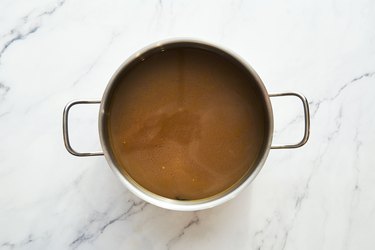
Combine the light vegetable oil and light sesame oil in a small saucepan. Heat over low heat for 2 to 3 minutes or until the oil is warm. Do not allow the oil to boil or smoke.
-
2
Remove the saucepan from heat and add the wasabi paste. Stir the mixture with a wooden spoon or glass stirrer. Cover the mixture and let it rest for 1 hour at room temperature.
-
-
3
Transfer the wasabi massage oil to a glass or plastic bottle with a pump or spray-mister. Add the vitamin E oil and shake gently to combine the ingredients.
-
1
Tips & Warnings
Store the wasabi massage oil in a cool place or in the refrigerator for up to one month.
To use, massage the oil into the skin with clean palms and the heel of your hand. Rinse the skin with cool water after using if you wish, though it is not necessary.
Avoid rubbing the massage oil into open cuts, as it may burn.
References
Resources
Comments
-
Anonymous
Aug 15, 2011
Most "wasabi" you find in grocery stores is common horseradish. In fact it is rare to find real grated wasabi outside of Japan. As a topical whether for use as a rubefacient or escharotic, horseradish and wasabi while closely related are very distinct. Wasabi tends to cool and horseradish is associated with heat simply because wasabi root when grated RELEASES heat and horseradish retains heat and promotes actions which are the reverse of wasabi root/stem. Neither horseradish nor wasabi are efficacious with oils. The author might be confused with Turmeric which actually is prepared not from the powder (neither is horseradish) but from the raw root which is grated, macerated. then sealed in a container of a mixture of sesame and peanut oil or sesame and olive oil (don't mix peanut and olive oils). The combination of anti-inflammatory actions between the sesame oil and Turmeric is synergistic and capable of reversing many conditions such as arthritis and psoriasis. In contrast, horseradish does not release heat, which of course gives the sensation of heat to the patient but instead causes a rise in inflammatory levels where applied. Since most serious inflammatory conditions tend to be treated systemically, applying horseradish topically or taken orally has very little action outside of a culinary heat. Wasabi on the other hand (the actual root stem of Wasabia Japonica and not Armoracia rusticana) does have topical applications. Horseradish while rarely mentioned as a topically used plant contains peroxidase and is used in minor conditions usually related to sinuses and bronchials because of it's dilatory nature. Neither wasabi nor horseradish should be applied with oils as none of the active ingredients are oil-miscible. Traditionally wasabi is macerated in a mixture of Sake', tea and allowed to decoct at room temperature for at least 30 days before use. Historical texts show wasabi drawing heat from inner regions to the skin where it is allowed to be released at a rate that can be controlled by the body. The patient is soaked in warm water for 10 minutes then dried and massaged with the wasabi decoction for app. 20 min's. The liquid dries and is left on for 24 hours.