

Uses of Wooden Boxes

Wooden boxes have many uses, especially those with lids or tops. You can decorate or paint them and buy them finished or unfinished, allowing you to use a particular type of stain. Wooden boxes will last longer than cardboard boxes, so storing items in them is more practical.
Storage
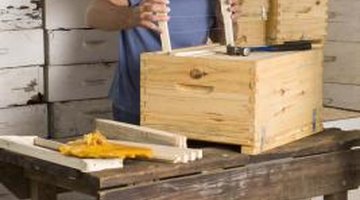
Wooden boxes are ideal for storing items. You can use small boxes to store jewelry or precious trinkets in a safe location. Store traditional and imported tea bags in a small wooden box and display it at your next tea party. Use larger boxes to store items such as clothing or bedding under a bed or in a closet. Wooden boxes are ideal for children to store their toys and games in. Store arts and craft supplies in a wooden box, and allow children to decorate the box with paints.
Decorating
Decorate your home or office with wooden boxes. Refinish or paint an old wooden box or purchase one with the purpose of using it along with your current decor. Purchase a wooden box that holds photos in the top of the box for display. You can place items inside the box, while displaying photographs on the top. You can incorporate wooden boxes with various prints and patterns on them with the design or style in one of the rooms in your home. If your kitchen or dining area is designed with a wine theme, display wine bottles, empty of full, in wooden wine boxes throughout the room.
Organization
Keep items organized at work or home using wooden boxes. Place important files, papers or folders in a wooden box and place the box on a shelf, labeled with the contents so they are easily accessible when you need them. Place small wooden boxes on a desk or shelf to hold pens, pencils, paperclips and small note paper. Transport important paperwork to and from different locations in a small wooden box with a lid to be sure the items inside don't blow away or become damaged. Place stamps and ink pads in a medium size box within your desk or on a shelf so they are easily accessible when needed.
Baby Chicks
Keep baby chicks in wooden boxes for approximately four to five weeks. The box will need to be in a safe place away from other animals that may eat the newborn chicks or children who may knock the box over. Layer the bottom of the box with hay or mulch. Warm the box by clipping a heat lamp to the side of the box or hanging it over top of the box. Provide water and food to the chicks in shallow bowls inside the box. Once the chicks are old enough, you can remove them from the box and place them in a chicken pen.
References
Writer Bio
Kelly Masi, born and raised in upstate N.Y., has been writing professionally since 2009. She has been writing for various instructional websites since November 2010 and has also written for the website CafeMom. She received her associate degree in early childhood education from Fulton Montgomery Community College.
Photo Credits
- Jupiterimages/BananaStock/Getty Images
More Articles

