

Problems With a Whirlpool Water Heater

Table of Contents
Whirlpool water heaters use electrical heating elements to heat water. The heating elements generate heat that travels throughout the water until sensors on the sides of the tank read that the water has reached its target temperature and sends signals indicating that the heating element should turn off.
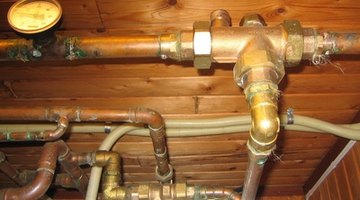
Whirlpool water heaters use electrical heating elements to heat water. The heating elements generate heat that travels throughout the water until sensors on the sides of the tank read that the water has reached its target temperature and sends signals indicating that the heating element should turn off. Several problems can occur with these Whirlpool systems, most involving electrical failure.
Power Problems
Most Whirlpool water heaters come with diagnostic code lights that can help pinpoint problems. If the water heater is not working and none of these lights are lit, this is your first clue that something is wrong with the power. It is possible that a breaker has tripped or a fuse has blown, rendering the system ineffective. If the main electrical systems appear fine, the control panel may need replacing.
High Water Temperature
If the water temperature is exceeding the maximum high limit set for it by the thermostat, there are most likely problems with the heating process itself. The insulation is perhaps misplaced, or the heating element is overheating due to a faulty electrical current. The control system may need resetting to help solve these problems.
Sensor Failure
Sometimes the sensors that read the temperature of the water can fail, which is difficult to detect without using a multimeter to measure the temperature sensor for a shorted circuit. If the sensor does have a short, it requires replacement. Sometimes sensors simply become loosened and you must reattach them to the water tank.
Not Enough Hot Water
This is a common problem with Whirlpool heaters. The lower element is probably not working correctly, or the temperature is accidentally set too low on the thermostat itself. It is also possible that sediment in the pipes or a faulty dip tube can cool the water. In this case, cold water entering the tank and hot water kept in the tank mix too freely, lowering the overall temperature. Lack of insulation can cause similar problems.
Water Pressure Problems
Sometimes when water is heated too fast or too much, the tank must endure greater water pressure than it can handle. In this case the relief valve opens and allows water to escape, but this occurrence is still damaging to the valves of the heater and usually indicates a heating element or water flow problem.
The Drip Cap
- Whirlpool water heaters use electrical heating elements to heat water.
- The heating elements generate heat that travels throughout the water until sensors on the sides of the tank read that the water has reached its target temperature and sends signals indicating that the heating element should turn off.
- The control system may need resetting to help solve these problems.
- Sometimes the sensors that read the temperature of the water can fail, which is difficult to detect without using a multimeter to measure the temperature sensor for a shorted circuit.
- The lower element is probably not working correctly, or the temperature is accidentally set too low on the thermostat itself.
References
Writer Bio
Tyler Lacoma has worked as a writer and editor for several years after graduating from George Fox University with a degree in business management and writing/literature. He works on business and technology topics for clients such as Obsessable, EBSCO, Drop.io, The TAC Group, Anaxos, Dynamic Page Solutions and others, specializing in ecology, marketing and modern trends.
Photo Credits
- plumbing image by Inger Anne Hulbækdal from Fotolia.com
- plumbing image by Inger Anne Hulbækdal from Fotolia.com
More Articles

