

How to Compost Lobster Shells

Adding cooked lobster shells and other shellfish items to a home compost pile will help the compost soil stay moisturized. According to shellfish compost manufacturers, Winterwood Farm, lobster shells contain chitin.
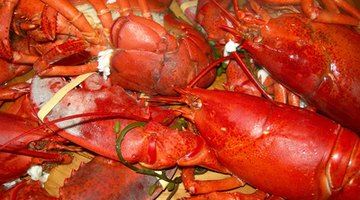
Chitin is a complex molecule that is linked to moisture retention, may control nematodes and may help control plant diseases. The key to composting lobster shells is to create a quality compost bin complete with many types of foods scraps, which leads to healthy, nutrient rich compost.
Things You Will Need
- Trash bins or other compost box
- Food scraps
- Compost
- Garden spade
- Bucket
- Pitchfork
- Flexible garden hose
- Fan type sprayer hose attachment
- Rebar, 48 inches long
- Flat shovel
- Wheelbarrow
Tip
Choose a compost bin smaller than three feet wide by three feet long, suggests the Earth 911 website.
Warning
Shellfish scraps may attract scavengers to the compost bin. Fence in the bin with chicken wire to help prevent problems.
-
Place trash bins in the yard in an area away from the home’s windows, suggests the Earth 911 website. Compost bins often attract flies which may be bothersome.
-
Add food scraps including lobster shells, vegetable waste, fruit waste and eggshells to the compost bin. Create balance in the compost pile by using two-thirds green matter, such as fruit, vegetables, coffee and grass clippings, and one-third brown matter, such as hay, straw and dried leaves.
-
Fill a bucket with compost. Use a garden spade to add several scoops of finished compost atop the food scraps in the compost bucket.
-
Use a pitchfork to mix the compost pile. Move items from the bottom to the top when adding new items to the pile.
-
Wet the compost pile with a hose and sprayer attachment until the soil is moist. Keep the soil moist by watering the compost pile a few times a week in the summer and once a week in the winter months. Air will help the compost heat up and break down more quickly.
-
Use a piece of rebar to poke holes in the sides and top of the compost pile to allow air to flow through. Twist the rebar as it is poked through the soil. Poke the pile each time new matter is added to the pile.
-
Scoop finished compost material into a wheelbarrow with a flat shovel. Distribute it over garden plants to provide extra nutrients to the soil.
The Drip Cap
- Adding cooked lobster shells and other shellfish items to a home compost pile will help the compost soil stay moisturized.
- Move items from the bottom to the top when adding new items to the pile.
- Wet the compost pile with a hose and sprayer attachment until the soil is moist.
- Air will help the compost heat up and break down more quickly.
- Use a piece of rebar to poke holes in the sides and top of the compost pile to allow air to flow through.
References
Photo Credits
- lobsters image by jedphoto from Fotolia.com
- lobsters image by jedphoto from Fotolia.com
More Articles

