


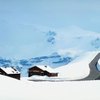

You’ll need plenty of travel time to journey from Seattle to Alaska by car. The 1,900-mile drive through Canada along the Alaskan Highway is an exciting but lengthy trek that takes more than 35 hours of driving time. A hurriedly built thoroughfare that was once best suited to armored military vehicles, the modern Alaska Highway is an asphalt-covered, two-lane boulevard that winds its way through some of Canada’s most impressive scenery.
Planning
Before attempting to drive directly into the final frontier, plot your route. Use an atlas, road map, GPS device or online travel planner, such as free trip (freetrip.com) or Road Trip America (roadrtipamerica.com) to determine mileage, estimate travel time, calculate cost and decide where to stop along the way. Dawson Creek, British Columbia; Watson Lake, Yukon; Kluane National Park, Yukon; The International Border; and Tok, Alaska, are some of the most popular stopping points along the Alaska Highway.
Preparation
Have your vehicle serviced prior to departure, then stock the trunk with appropriate emergency supplies: extra blankets, bottles of water, nonperishable food, jumper cables and flashlights. In addition, be sure to carry at least two full-size spare tires. The Alaska Highway is not the pot hole-laden road that it used to be, but there are still a few stretches where the going can be a bit rough and “donut spares” might not carry you through the long, empty stretches of road between service stations.
Packing
Contrary to popular opinion, not all of Canada is a vast and frozen tundra. Unless you’re traveling in the dead of winter, leave the parkas and thermal underwear at home. Bring a variety of comfortable, casual clothing and dress in layers. Sunscreen, insect repellent, rain gear and sunglasses are also highly recommended, as they tend to be pricier in Alaska than in the Lower 48. Cell phone service is spotty along the Alaska Highway. To keep the lines of communication open, consider purchasing a CB radio or renting a satellite phone as these devices work anywhere on the planet. When the car is ready, double check your travel documents and personal identification. You must present a valid passport, passport card, enhanced driver’s license or trusted traveler program card to the border officials or you will not be allowed to cross into Canada.
When to Go
Those planning to drive to Alaska should mentally prepare for delays. In the spring and summer, heavy rains can close the road near the Canadian border for days on end. When the road is open, progress can be further stymied by construction projects and swarms of tourists. In the fall and winter, many services, such as gas food and lodging, might not be available, and the odds of encountering inclement weather are much higher. On the plus side, once the snow begins to fly, hotel rates drop and the major tourist attractions tend to be less-crowded.
Departure
The first leg of the journey, from Seattle to Vancouver, British Columbia, begins with a northbound drive up U.S. Interstate 5. The 140-mile stretch of road winds past Bay View, Larrabee and Peace Arch State Parks before crossing the Canadian border at Blaine. Under normal conditions, this part of the trip takes approximately three hours, but border wait times are posted along the highway. If the Peace Arch border is congested, avoid the traffic by heading east and taking U.S. Route 543 to the Pacific Highway Truck Crossing, then following Canada Highway 15 directly into Blaine. From Blaine it is a straight shot north on Canada Highway 99 to Vancouver. Those who have not stopped for fuel or food might want to consider taking a rest once they reach the city limits. From Vancouver, it is a 736-mile drive up Highway 97 to Dawson's Creek. Though there are other places to stop along the way, Dawson's Creek is a milestone in the typical Alaska road trip. Known to travelers as "The Mile 0 City," the town marks the southernmost end of the Alaska Highway.
References
- Road Trip America
- Fodor's Alaska Travel Tips; Alaska by Car
- United States Road Atlas, including Canada and Mexico; American Map Corporation
Photo Credits
- NA/AbleStock.com/Getty Images