

How to Remove a Stripped Allen Head Screw

Whether you were overzealous in your attempt to sink a screw into some wood or the screw’s metal was too soft, stripping an Allen head screw is a common occurrence. Sometimes you’re lucky enough to grab just enough of the mangled screw head to remove the screw. But more often than not, that’s not possible.
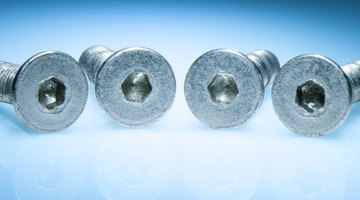
However, it’s not difficult to remove a stripped Allen head screw. All you need is a drill, some drill bits and a steady hand.
Things You Will Need
- Drill
- Drill bits
- Center punches
-
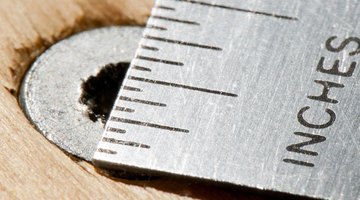
Measure the diameter of the screw head.
-
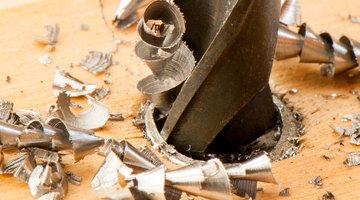
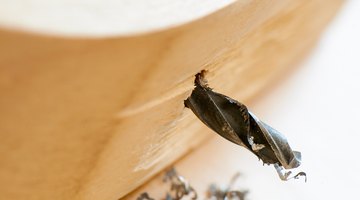
Select a drill bit slightly smaller than the diameter of the screw head and carefully drill the screw head until it falls away from the rest of the screw.
-
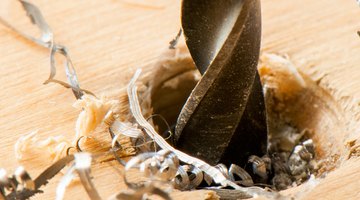
Select a drill bit the same size as the remaining screw shaft or slightly smaller
-
Place the drill bit directly on top of the screw shaft and carefully drill through it.
-
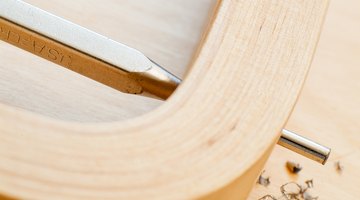
Tap the proper sized center punch into the hole to remove any remaining metal pieces.
Tip
Using a drill press, if possible, will make the job more accurate.
The Drip Cap
- Whether you were overzealous in your attempt to sink a screw into some wood or the screw’s metal was too soft, stripping an Allen head screw is a common occurrence.
Writer Bio
Lisa Larsen has been a professional writer for over 18 years. She has written radio advertisement copy, research papers, SEO articles, magazine articles for "BIKE," "USA Today" and "Dirt Rag," newspaper articles for "Florida Today" and short stories published in "Glimmer Train" and "Lullwater Review," among others. She has a master's degree in education and is a member of the National Society of Collegiate Scholars.
Photo Credits
- Michael Price/Demand Media
- Michael Price/Demand Media
- Michael Price/Demand Media
- Michael Price/Demand Media
- Michael Price/Demand Media
- Michael Price/Demand Media
- Michael Price/Demand Media
More Articles

