How to Treat a Baby Burn

Any type of injury to an infant can cause even the most level-headed adult to panic. Burns can be especially scary because a baby's skin is so sensitive and it can be difficult to judge the severity of a burn. If you find yourself in a situation where you will need to go through a burn treatment procedure for your baby, there are several actions you can take to minimize your baby's pain and prevent further damage.

Things You'll Need

  • Cool water
  • Cool compress
  • Acetaminophen or ibuprofen
  • Burn ointment
  • Bandage
Show More

Instructions

    • 1

      Get your baby to a comfortable, secure location if he is burned. Quickly assess the severity of the burn. Unless you can be positive it is only a minor burn, call 911 or rush your baby to the emergency room. According to Milton S. Hershey Medical Center, a first-degree burn is typically red, sore, and sensitive to the touch. First-degree burns do not blister and do not leave a scar.

    • 2

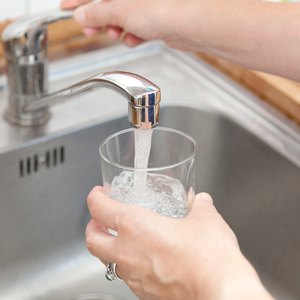
      Treat a first-degree burn by submerging the burned skin in cool water, then use a cool cloth or compress on the burn, keeping it in place for 10 or 15 minutes. Call your doctor or speak to the physician on duty in the emergency room, and ask about giving your baby acetaminophen or ibuprofen. Do not give your baby aspirin because it can cause the deadly disease Reye's syndrome.

    • 3

      Apply a cool burn ointment and a loose, clean bandage, especially if the burn blisters. Do not break the blisters because they are a natural part of the skins healing process. If the burn doesn't heal within two or three days, take your baby to see her physician.

Tips & Warnings

  • For all but the first-degree burns, take your baby to the emergency room. Don't try to treat these burns yourself. Things to look for in more severe burns include extreme redness and blistering. The baby may look wet due to fluid loss. According to Milton S. Hershey Medical Center, third-degree burns can look white or black and leathery on the surface.

  • For electrical burns, burns on the face, hands or genitals, or burns larger than two diameters, take your baby to the emergency room.

  • Do not use ice, which can cause further skin damage. Also avoid butter, powder or lotions.

  • .

Related Searches:

References

You May Also Like

  • How to Treat a Baby With Hand Burns

    Babies burn their hands by touching extremely hot items. These range from surfaces to hot bathwater. The amount of pain the baby...

  • Home Remedy for a Minor Burn Blister

    Minor burn blisters need to first be cooled off with as much water as possible before beginning to wrap them. Treat minor...

  • How to Treat Hand Burns

    A burn can occur anywhere on the body, but many people get them on their hands. When you do have a burn...

  • How to Treat a Minor Burn on an Infant

    Infants seem so fragile, and they are unable to fend for themselves. If your infant gets a minor burn, stay calm. There...

  • How to Treat Second- and Third-Degree Burns

    All moderate to severe burns should be cared for properly to reduce the chance of infection or scarring. Burn victims should be...

  • Treatment For Carpet Burn

    Because of the damage to the epidermis, or outer layer of skin, a carpet burn is considered a form of first-degree burn....

  • How to Treat a Minor Burn on an Infant

    Treating a minor, first-degree burn on an infant requires applying cold compresses to the area, and Tylenol can be administered to babies...

  • Home Remedy for Burns

    Learn how to use a home remedy for burns and get expert tips and advice on natural home remedies in this free...

  • How to Treat Hot Water Burns

    Hot water burns can be extremely painful and just as damaging as fire burns. Unless the burns are minor, it is imperative...

  • How to Treat Burned Pots and Pans

    The risotto is nearly done, then the phone rings and the next thing you know, you've got a mess to clean. Scorched...

  • What Cream Can You Put on a Burn to Help it Heal?

    There are many old-fashioned home remedies for burns, such as smearing butter or lard onto the damaged skin. But contrary to those...

  • How to Treat Burn Blisters

    If you burn yourself, the first thing to do is determine how severe the burn is. If you experience blistering when you...

  • How to Prevent Ice Cream Freezer Burn

    It can be extremely frustrating when freezer burn forms on your favorite foods. And while ice cream isn't literally affected by freezer...

  • How to Clean Rabbit Urine Burns

    Rabbit urine burns come from a leaky bladder. Several problems can cause a rabbit to have a leaky bladder. Once you see...

  • How to Treat Burns

    Getting a burn can be a very painful experience. Burns can take a long time to heal and often leave scars. It...

  • Baby Rash Blister Cures

    It is heartbreaking when your baby is in pain and uncomfortable. One cause for discomfort in an infant is severe diaper rash....

  • Treatment for Second-Degree Burns

    A second-degree burn penetrates the first and second layers of skin: the epidermis and dermis, respectively. These painful burns can cause redness,...

  • How to Soothe Blisters

    The two most frequent causes of blisters are burns and friction. Regardless of their source, blisters are painful and susceptible to infection....

  • How to Treat a Burn in a Child

    Burns affect about one million people each year and cause about 400,000 children to be hospitalized yearly, according to Keepkidshealthy.com. First degree...

  • How to Treat a Battery Acid Burn

    A battery acid burn, like all chemical burns, can cause a great deal of damage to the skin. When the acid accidentally...

Related Ads

Featured