How to Transplant Raspberry Daughter Plants or Suckers

Raspberries come from a small deciduous plant. The stems are slightly prickly and the leaves have 3 to 5 small leaflets. Raspberry plants can live up to 10 years so it is important to replenish the raspberry plants if you want a continuous supply of berries. An inexpensive way to do this is by digging up the daughters or suckers that the parent plant sends out. Raspberry plants will not produce fruit until the second year of growth. Fresh raspberries picked from your garden are delicious and nutritious. You can eat them fresh, or use them to make wine. Does this Spark an idea?

Things You'll Need

  • Shovel or spade
  • Pot
  • Potting soil.
Show More

Instructions

    • 1

      Look for suckers or daughters growing from the roots of the raspberry plant. They will be growing separate from the mother plant.

    • 2

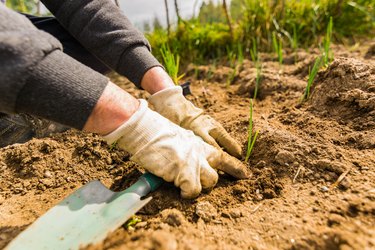
      With a spade or shovel, carefully dig around the sucker. Keep as much soil around the roots as possible. Use a scissor or pruning shears to cut the main root that attached it to the mother plant.

    • 3

      Find a pot large enough to hold the sucker you've just dug up. Make sure it has drainage holes for water to seep out.

    • 4

      Add potting soil in the pot. Place your raspberry plant inside and finish filling the pot with soil. Water the sucker or daughter thoroughly.

    • 5

      Put the sucker transplant in a sheltered area of your garden. This will give your transplant a better start on developing more roots. In a month or so, when the roots have developed more, prepare the garden soil.

    • 6

      Dig up the soil with a spading fork or tiller. Add 2 to 3 inches of compost and work this into the soil.

    • 7

      With a shovel or trowel, dig holes that are bigger around than the raspberry's container. Make the holes about 24 inches apart, spacing each row 7 to 8 feet apart.

    • 8

      Pop the raspberry plant from the container, and place it in the hole. Make sure the soil ball does not protrude higher than ground level.

    • 9

      Fill the hole with soil. Firm the soil so there are no air pockets. Water thoroughly. Keep the soil moist but not soggy until the plants are established.

Tips & Warnings

  • Be sure to check the leaves against the mother plant. Make sure you are planting the raspberry plant and not the graft stock plant.

  • Do not plant raspberry plants where you have had eggplant, peppers, potatoes or tomatoes within the last three years. Raspberry plants susceptible to verticillium wilt that attacks these vegetable plants.

Related Searches:

References

Comments

You May Also Like

  • When to Transplant Raspberry Runners?

    Add a stand of raspberries to the garden for a fresh supply of berries in midsummer. Raspberries grow on bramblelike bushes that...

  • How to Grow Raspberry Plants From Clippings

    Raspberries can be propagated by seed, clippings or tissue culture. Clippings produce mature plants ready to set berries faster than seed plantings....

  • How to Dig Up Raspberry Plants

    Maintaining a thriving raspberry patch requires a gardener's attention throughout the growing season. Between fertilizing the plants to provide for their nutritional...

  • How to Replant Red Raspberry Plants

    Red raspberry plants self-propagate through runner roots. If you look around the base of your raspberry bush each spring, you will see...

  • How to Transplant Raspberry Plants

    Raspberry bushes tend to come in two kinds: too few or too many. In their search for sun, canes often spread out...

  • How to Graft Scions

    Grafting scions allow you to match the blooming and fruiting characteristics of one plant with the strong and robust growing root stock...

  • Viral Diseases of Fruit Plants

    Viral Diseases of Fruit Plants. The prized fruit-producing plants in your home garden are under threat of viral diseases that can wreak...

  • How to Transplant Red Raspberry Plants

    One of summer's best treats for home gardening enthusiasts comes when their backyard red raspberry plants produce plump, juicy fruit. Full of...

  • What Does a Tapeworm Look Like?

    Tapeworms resemble ribbons in shape. As adults, they have teeth, hooks or sucker-like structures on their heads that help them to attach...

  • What Do Raspberry Bushes Like?

    Growing wild in many areas, raspberries and blackberries are also fairly easy to cultivate for home fruit production. Raspberries are hardy and...

  • How to Propagate Raspberry Bushes

    Raspberries are perennial plants commonly classified as "bramble" for their thorny stems, or canes. The canes are biennial and produce fruit every...

  • Raspberry Plant Care

    Raspberry plants produce a seeded berry that is edible and rich in vitamin C and iron. Raspberries are used in desserts, jellies,...

  • When to Move Raspberry Plants?

    A delicious and nutritious crop of raspberries can last the whole year by freezing and making preserves, jams and jellies. However, you...

  • How to Get Old Raspberry Plants to Bear Fruit

    Getting overgrown or old raspberry plants to start producing raspberries again is fairly easy. Once they have a rejuvenation pruning and are...

  • How to Plant Raspberry Bushes

    Raspberries are a much loved small fruit. Coming in a close second to the national favorite, strawberries, they can be used in...

  • How to Grow Blackberries in a container

    Don't believe it when people tell you, you can't grow certain things in containers. I have grown a lot of things in...

  • When Do You Transplant Black Raspberry Plants?

    The black raspberry (Rubus occidentalis) grows to a height of 6 to 9 feet. The canes have an arching habit and will...

Related Ads

Featured