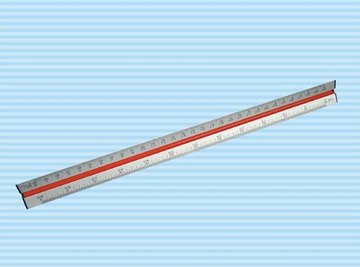

What is a Scale Ruler?
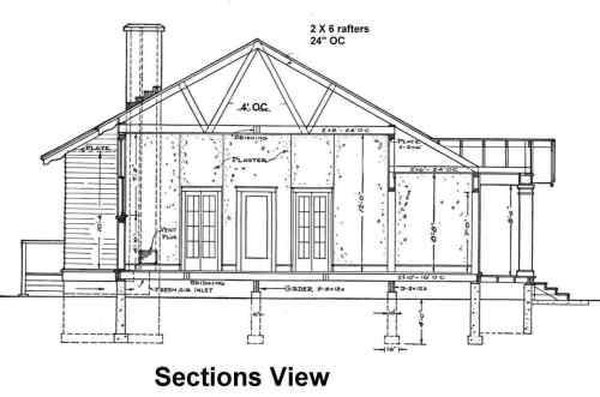
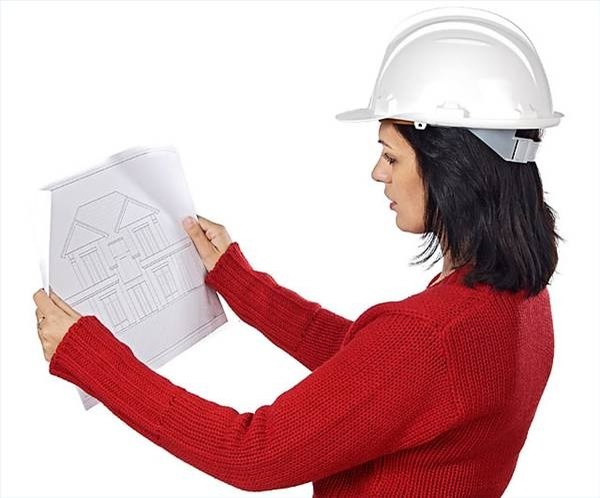
A scale ruler is the three-sided ruler used by architects and readers of blueprints to convert between scaled drawings and the actual dimensions without having to resort to any mathematical calculations. An architect uses the scale ruler to convert dimensions into a smaller drawing of a building plan. The reader of the blue print will then use a scale ruler to translate the drawing into the real sizes for construction.
Choosing the Correct Scale
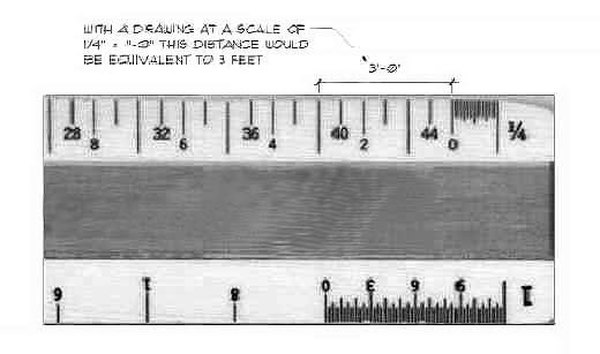
On each side of a scale ruler at the far left before the zero mark is a number reflecting the scale of the rules on that particular side. Using the appropriate scale is crucial and should be the first step. If reading a blueprint, the appropriate scale will be written on the plans. If drafting a plan, choosing an appropriate scale will depend on the size of the drawing compared to the actual dimensions described.
Measuring with a Scale Ruler
Common scales are 1/2, 1/4 and 1/16. These reflect the fractions of an inch that correspond to feet in the full-scale dimensions. To read a blueprint with a scale ruler once the appropriate scale is determined, line up the zero mark with the beginning of the length to be measured. If the distance falls exactly on a line of the ruler, that is the measure in feet. Make sure the correct marks are being read, as most scale rulers have two scales per side for maximum efficiency. If the distance being measured does not fall exactly on a line, the exact measure will be the number of feet corresponding to the nearest line passed plus a certain number of inches. Determining the inches will require a second measurement. Before removing the scale ruler, first mark the appropriate foot line on the drawing. The first inch of the scale ruler is subdivided into twelfths, corresponding to inches. Line up the zero line with the mark representing the foot line of the first measurement, and use the detailed marking to find the number of inches. The full measurement will be the number of feet plus this number of inches. Even with this second step, using a scale ruler is much easier and faster than making complex conversions using math. It also minimizes the chance of error in the calculations. With a little practice, using a scale ruler becomes a simple but essential tool for the contractor and architect alike.
About the Author
Joseph Nicholson is an independent analyst whose publishing achievements include a cover feature for "Futures Magazine" and a recurring column in the monthly newsletter of a private mint. He received a Bachelor of Arts in English from the University of Florida and is currently attending law school in San Francisco.
Photo Credits
Matching Copr., Make My Own House, My Home 101, Residential Architects