How to Deal With Bouts of Food Poisoning

Food poisoning can occur when you eat food that has not been cooked thoroughly, was handled in an unsanitary manner or was derived from a source that was contaminated, such as an unhealthy animal. The symptoms of food poisoning can mirror those of stomach flu and can occur anywhere from hours to days after eating the contaminated food. If you suspect that you are suffering from a bout of food poisoning, there are certain steps you must take to ensure you recover quickly and completely.

Things You'll Need

  • Doctor
  • Liquids with electrolytes
  • Antacid
  • Bland food
Show More

Instructions

  1. How to Deal With Bouts of Food Poisoning

    • 1

      Go to your doctor if you start experiencing symptoms such as stomach cramps, diarrhea, vomiting and fever. It will be extremely important to get checked by your doctor to make sure that you do in fact have prototypical food poisoning and not the far more serious condition of botulism. Additionally, your doctor will be able to give you a note confirming that you have food poisoning, which you can then bring to the restaurant where you suspect the poisoning occurred. It will be important to notify the restaurant of your situation to help prevent further cases of food poisoning. The restaurant will likely give you a refund for your meal even if it denies that the food poisoning came from its food.

    • 2

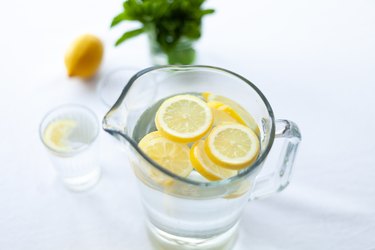
      Stay hydrated. While you are experiencing the flu-like symptoms of food poisoning, consuming more of anything may be the last thing on your mind. However, it is essential that you keep yourself hydrated by drinking plenty of fluids to replace lost fluids and electrolytes. Electrolyte-enhanced water, popsicles and sports drinks are useful in keeping your fluid levels up. Avoid carbonated beverages, with the exception of ginger ale. Also avoid juices containing fiber, such as orange juice, and dairy products.

    • 3

      Soothe your stomach by taking an antacid or stomach medicine such as Pepto Bismal (with your doctor's permission). Be careful to follow the dosing instructions and keep in mind that if you have a severe bout of food poisoning, these items will ease but likely not eliminate your symptoms.

    • 4

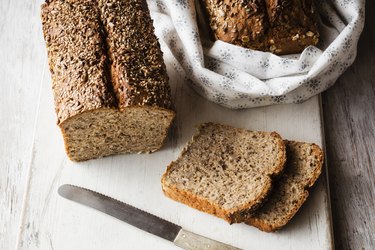
      Eat a very bland diet. Feeling up to eating is a good sign when you have food poisoning; however, you can't eat just anything. Your stomach will still be extremely sensitive, so choose foods that are unlikely to upset it further. Good choices will include white rice, white toast without butter and applesauce.

Tips & Warnings

  • The best way to avoid food poisoning is to use common-sense sanitation, such as washing your hands before eating.

  • If your symptoms continue for more than a week, visit your doctor again.

Related Searches:

References

You May Also Like

  • How to Treat Food Poisoning

    Symptoms of food poisoning may include vomiting, diarrhea, fever and stomach cramping, and usually begin 3 to 36 hours after eating tainted...

  • About Food Poisoning

    Many people believe they have food poisoning after eating something that tastes unpleasant. However, food poisoning is far more serious and is...

  • How to Avoid Fatty Foods After Food Poisoning

    Avoid fatty foods after experiencing a bout of food poisoning by implementing the BART diet for at least three days after you...

  • Who Are the Most Common Victims of Food Poisoning?

    Who Are the Most Common Victims of Food Poisoning?. People get food poisoning when they eat foods contaminated with bacteria or other...

  • How to Spot Magnesium Poisoning

    Used in the treatment of heavy metal poisoning, magnesium has its own toxicity levels, often resulting from the overuse of antacids or...

  • How to Eat After Food Poisoning

    After having food poisoning, which can be traumatic, start eating again by trying clear liquids before moving onto solid foods. Discover which...

  • Cure for Food Poisoning With Vomiting & Diarrhea

    According to the Center for Disease Control (CDC), more than 250 foodborne diseases exist. Most are caused by bacteria, viruses or parasites...

  • How to Investigate Food Poisoning

    Food poisoning can be classified as an infectious disease due to the transmission of bacterium through the ingestion of contaminated food products....

  • How to Diagnose Listeria Poisoning

    The Listeria (Listeria monocytogenes) bacteria are found in soil and water and contaminates various food products. Refrigeration does not kill the Listeria...

Related Ads

Featured