
When you feel tired and sleepy, the logical reaction might be to reach for a cup of coffee. Caffeine is not always the best solution, however. Although it can provide a quick burst of energy, it will eventually cause you to crash and feel even more tired than before. Caffeine can also cause elevated heartbeat and other side effects for some people, especially if you have to drink several cups in order to stay awake. Reaching for the right food might be a healthier, more permanent solution.
Whole Grains
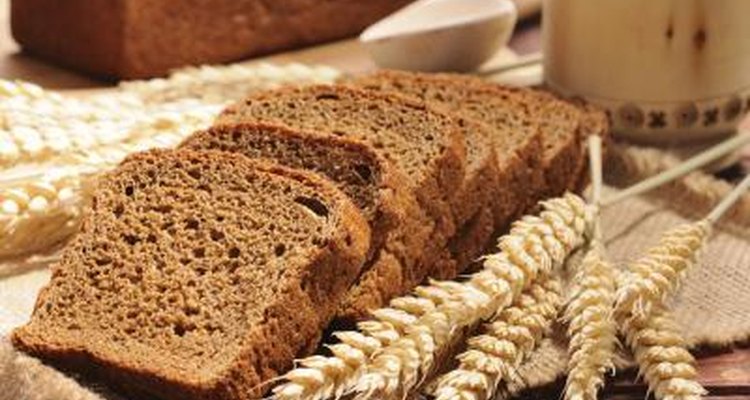
Grains are a good source of energy. When you eat carbohydrates, your body converts them into energy. Whole grains break down slowly, so they provide a steady source of energy. Simple sugars, on the other hand, break down fast, so they provide a quick peak of energy, followed by a crash. When you crash, you’ll feel tired, sleepy and low in energy. To stay awake, reach for foods that provide a steady release of energy, such as brown rice, whole wheat, wild rice, barley, rye and oats.
Fruits

Fruits provide a quick burst of energy, but they don’t elevate sugar as much as starches and simple sugars, so they’re an acceptable option. Cardiothoracic surgeon and author Dr. Mehmet Cengiz Oz recommends fruits such as pineapple as it contains vitamin C, which perks up the brain and will improve your chances of staying awake.
Proteins

Proteins are a good source of steady, slow energy. Protein is a good source of tyrosine, an amino acid that boosts your energy levels. All animal products, including fish, meats, dairy and eggs are all good sources of tyrosine. Vegetarians can try tofu and legumes for protein.
Other Changes

Dehydration can make you feel tired and sleepy. To stay awake, drink at least eight glasses of water a day. Cut down on caffeine as it dehydrates, and instead focus on caffeine-free and sugar-free drinks, such as seltzer water, herbal teas and diet drinks. Try eating a small snack or meal every three to four hours rather than a couple of large meals a day. This will help steady your blood sugar and maintain your energy steady so that you stay awake and energized.
Related Articles

Low Calorie High Energy Foods

Nutrition Drinks for Diabetics

Healthy Easy Snacks to Take on My Boat
The Best Fruits for Breakfast

What Foods Will Not Make Me Tired After ...

Best Time to Take Vitamin B Complex

How Can I Rid My Body of Water ...

Protein & Carbohydrates in Breakfast
How Much Pomegranate Juice Should One ...

Nutrition Information on Blueberries
The Paleo Diet and Coffee
What Are the Benefits of Grapefruit for ...

Foods to Avoid With High Carbs

Menu for Acid Reflux

High-Alkaline, Low-Acid Foods

Garbanzo Beans on the Glycemic Index
Types of Fruit Smoothies

How Many Calories Are in a Blueberry ...

Low Carb Peanut Butter Snacks

Fruit & Water Diet
References
Writer Bio
Tammy Dray has been writing since 1996. She specializes in health, wellness and travel topics and has credits in various publications including Woman's Day, Marie Claire, Adirondack Life and Self. She is also a seasoned independent traveler and a certified personal trainer and nutrition consultant. Dray is pursuing a criminal justice degree at Penn Foster College.
Photo Credits
LittleBee80/iStock/Getty Images