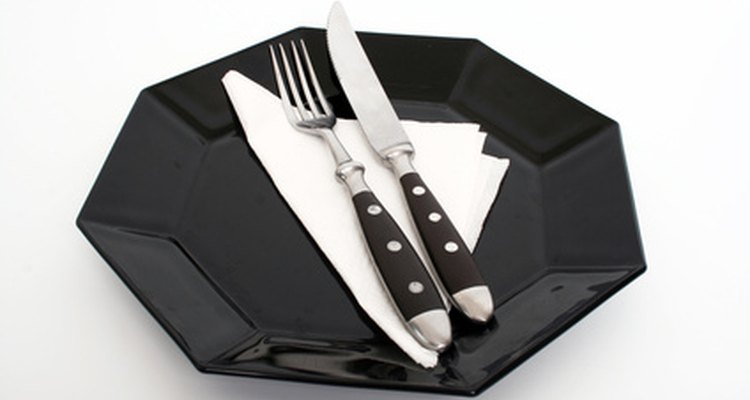
Pot pies provide convenience and culinary comfort to many Americans. These one-dish meals often contain meat, vegetables and gravy surrounded by a pastry crust. Marie Callender's produces pot pies that you can buy frozen in grocery stores and the heat them in a microwave or conventional oven. The pot pies come in 10-oz. and 16.5-oz. sizes.
Types of Pot Pies
Marie Callender's makes pot pies in a variety of flavors, including beef and turkey. The range of chicken pot pies includes regular chicken, creamy Parmesan chicken, honey roasted chicken, creamy mushroom chicken and cheesy chicken.
Healthy Ingredients
Marie Callender's pot pies contain a variety of vegetables, with each recipe containing a selection that includes carrots, celery, peas, Portabello mushrooms, red peppers, onions, potatoes, broccoli and corn. White meat turkey and chicken are used in the products. Spices, such as pepper and turmeric, add antioxidants to the pot pies. Antioxidants work in the body to help prevent serious aging-related diseases.
Unhealthy Ingredients
Pot pies contain fat, salt and flour. Each pie varies, and some of the pies contain small amounts of heavy whipping cream, cheddar cheese, honey, sugar and milk. Marie Callender's pot pies contain more whole food ingredients than some competitor pot pies, which can add additional calories, but the nutrition is superior compared to the competition.
Nutritional Breakdown
The key to eating these pot pies is to only consume a serving at one meal. While the small pot pies are 10 oz. and the large pies are 16.5 oz., The Daily Plate reports that 8 oz. should be considered a serving. The typical Marie Callender's pot pie contains 510 calories in a serving, and around 30g of fat, which is 46 percent of the fat most adults should consume in one day. Based on a typical 2,000-calorie diet, these foods contain around 32 percent of your daily protein requirements and 15 percent of your carbohydrates. Cholesterol is low, at around 8 percent of the daily allowance, while sodium is high at approximately 36 percent of the healthy daily limit. The pot pie contains up to 50 percent of your daily allowed saturated fat. Marie Callender's pot pies fulfill a small to moderate percentage of your daily vitamin and mineral requirements, including some vitamin A and iron. You can meet around 18 percent of your daily fiber needs by consuming a serving.
Hot to Fit Into a Healthy Diet
You should share the larger, 16.5 oz. pot pie with another person or save half of the pie for another day. Drinking a calorie-free drink, such as water or tea, will help to keep overall calories down. Add an apple or other whole fruit after the pie to provide additional fiber and vitamins. Eating this product will require you to reduce your fat and sodium intake for the rest of the day. An 8-oz. serving of this pot pie is not appropriate for a small child, due to its calories, fat and sodium.
Related Articles
Oatmeal & Full Liquid Diet

Sugar-Free Coconut Cream Pie

How to Use an Aluminum Stove Top Coffee ...
How Long Does a Pot Roast Last After It ...

How to Make Coffee for a Crowd
Caffeine in Chocolate Versus Coffee

The Calories in a Whoopie Pie

Foods to Avoid With High Carbs
How to Prepare Peaches to Make Peach Pie
How to Bake Bread in a Clay Pot
Nutrition Information for Adzuki Beans
How to Can Homemade Vegetable Beef Soup
Low-Potassium Meals
How to Cook Farina in Milk

What Is Agave Syrup?

How to Soak Amaranth

Foods to Avoid to Prevent Gout

Cappuccino Nutrition Information

Simple Menu Ideas for Small Wedding ...

How to Steam Dumplings
References
Writer Bio
J. Lucy Boyd, RN, BSN has written several nonfiction books including "The Complete Guide to Healthy Cooking and Nutrition for College Students." She is frequently called upon to provide career guidance to medical professionals and advice to parents of children with challenges. She also loves teaching others to cook for their families.
Photo Credits
waiting for dinner 3 image by dana nicolescu from Fotolia.com