





Shortness of breath has many causes, the most common being underlying respiratory or heart problems. This overview provides a detailed look at shortness of breath including risk factors and specific types.
Significance
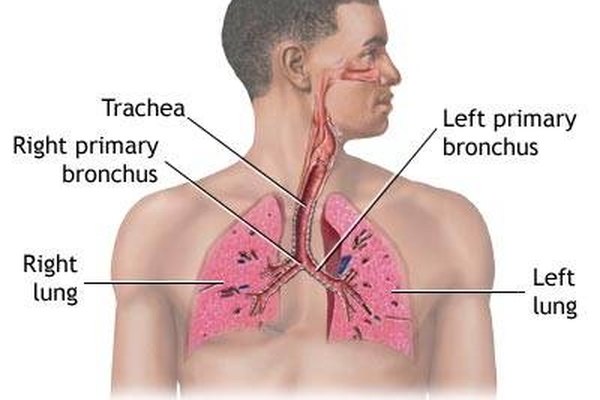
Shortness of breath. also known as dyspnea, can be defined as air hunger, or the sensation of having the urge to breathe that is caused by a lack of oxygen in the blood. Shortness of breath that is caused by exercise or strenuous activity is a relatively normal phenomenon and is not associated with pathology in healthy individuals. It is when shortness of breath is indicative of a serious, underlying disease that it becomes an issue of significance.
Types

There are a number of risk factors associated with the development of shortness of breath, whereby smoking is one of the most common. Other risk factors include secondhand smoke, occupational and environmental exposure and allergens. A family history of congenital heart disease or hereditary lung disease such as cystic fibrosis can also predispose someone to episodes of shortness of breath.
Considerations
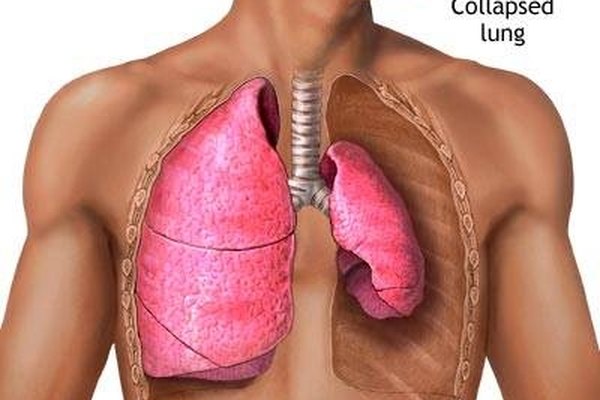
Shortness of breath is a common presenting complaint in the emergency room, and is oftentimes associated with heart or lung problems that are either acute (sudden) or chronic (long-term) in nature. For example, sudden shortness of breath in a reasonably healthy individual may be a sign of pnuemothorax (air between the lungs and chest wall), which is a medical emergency. In a patient who has recently had surgery, sudden shortness of breath may indicate pulmonary embolism (a mass of undissolved matter that blocks the vessels in the lungs), which can also be an emergency. Orthopnea, or an inability to breathe comfortably while sitting up, may be seen in people who have chronic heart disease or chronic obstructive pulmonary disease (COPD), while complaints of sudden shortness of breath may be associated with a heart attack or congestive heart failure. Dyspnea that is accompanied by wheezing is often seen in emphysema, chronic bronchitis or asthma. Moreover, shortness of breath that is noisy may denote an airway obstruction by a tumor or a foreign body. Dyspnea can also be caused by anemia, or hemoglobin deficiency, as the body tries to compensate for not having enough oxygen. Whatever the reason, the circumstance that is producing the shortness of breath must be determined in order to treat the underlying cause thus alleviating the shortness of breath.
Identification

Many times, people who experience shortness of breath tend to ignore it, thinking that it will eventually go away. This may lead to complications including hospitalization or even death. It is important that if you are experiencing shortness of breath unrelieved by rest, that you seek medical attention. Other symptoms that may accompany shortness of breath include flaring nostrils, sweating, and anxiety. Further more, cyanosis, or a bluish discoloration of the nail-beds, lips or earlobes, is a late sign of oxygen deprivation and should not be ignored.
Expert Insight
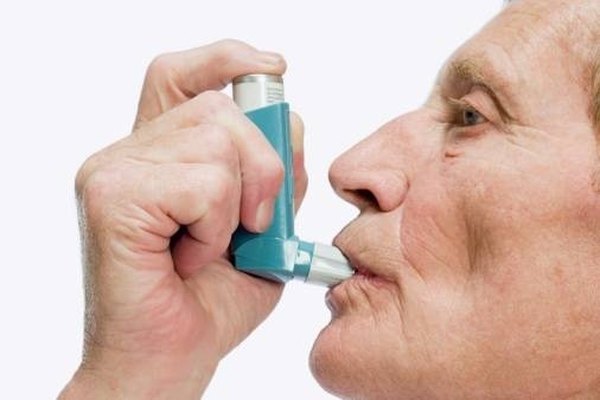
Shortness of breath should be evaluated by a medical professional. Its management is aimed at correcting the underlying cause and, in some cases, may be relieved by placing a person at rest with the head of the bed elevated as high as it can go. Relief of symptoms, in severe cases, may also be achieved by the administration of oxygen or other medication, depending upon its cause. In conclusion, shortness of breath is one of the most common symptoms of respiratory or heart disease and is often accompanied by a plethora of other signs and symptoms. Early recognition and treatment are paramount to its outcome.
Image Credit
Flickr.com, A.D.A.M., istockphoto.com