

How to Replace a Polarized Plug

Polarized plugs reduce the risk of electrical shock on many home appliances and lighting. A polarized plug has two prongs of different widths. In time, plugs can become damaged and frayed, requiring replacement. Failure to replace polarized plugs that are damaged can result in fire hazard and electrical short circuit.
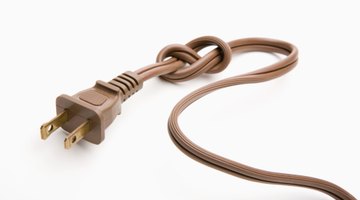
To change a polarized plug, you must know how the wiring is set up so that you can ensure a safe appliance once finished.
Things You Will Need
- Polarized plug
- Wire strippers
Warning
Never replace a cord that is plugged into an electrical outlet. This could cause electrocution.
-
Purchase a new polarized plug from your local home improvement store. Prices range depending on brand, but polarized plugs are fairly cheap. Do not purchase a non-polarized plug for an appliance that is equipped with a polarized cord and wiring.
-
Remove the old plug from your cord. Some polarized plugs simply snap off of the cord while others have to be unscrewed using a small screwdriver. Set the old plug aside. Pull the cord apart along the seam to separate the two wires.
-
Identify your neutral wire. The neutral wire is marked by ribbing or a white stripe running its length. It may also be a white wire next to a black wire. This is the end that will be wired to the larger prong.
-
Strip 3/4 inch of insulation off of each wire with wire strippers. Apply a small amount of pressure and pull to remove the insulation.
-
Twist the wires tightly to ensure a snug fit inside of your plug. Attach the neutral wire to the wide prong side by sliding it into the opening behind the prong. Attach your live wire to the narrow prong side in the same manner.
-
Reassemble the plug.
The Drip Cap
- Polarized plugs reduce the risk of electrical shock on many home appliances and lighting.
- Remove the old plug from your cord.
- Some polarized plugs simply snap off of the cord while others have to be unscrewed using a small screwdriver.
- The neutral wire is marked by ribbing or a white stripe running its length.
- Attach the neutral wire to the wide prong side by sliding it into the opening behind the prong.
References
Writer Bio
Sharin Griffin has been a freelance writer since 2009, specializing in health-related articles. She has worked in the health-care industry as a certified nursing assistant and medical technician. Griffin's medical expertise encompasses bariatrics and geriatric care, with an emphasis on general medicine. She is completing an associate degree in health-care administration from Axia University.
Photo Credits
- Thinkstock Images/Comstock/Getty Images
- Thinkstock Images/Comstock/Getty Images
More Articles
- How to Splice Into an Electrical Receptacle to Add a Second Outlet
- How to Repair a Lamp Cord That Is Cut
- How to Change Chinese Appliance Plugs to Fit American Outlets
- How to Wire a 30-Amp Twist Lock Plug
- How to Convert an Outlet for a Washing Machine
- How to Replace the AC Power Cord on a LG Air Conditioner

