eHow launches Android app: Get the best of eHow on the go.

Click Here
How To

How to Clean Rust Before Painting

Contributor
By James Gapinski
eHow Contributing Writer

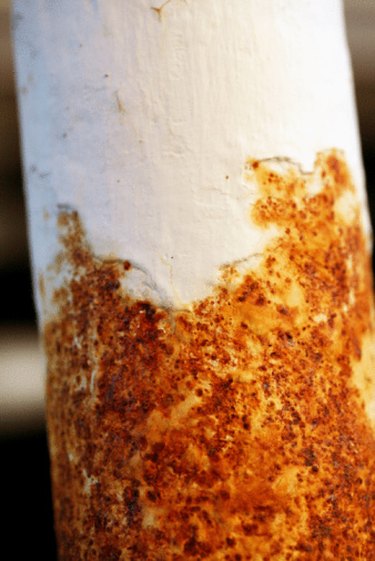
A fresh coat of paint can revitalize an old car, outdoor shed and other metallic treasures. Unfortunately, rust can interfere when it comes to painting old metal items. If the rusty surface is not properly cleaned, it will require more coats of paint, and both the new coat of paint and the rust underneath it will flake off easily. But even a novice painter can successfully clean off rust prior to painting.

Difficulty: Moderately Easy
Instructions

Things You'll Need:

  • Wire brush
  • 120-grit sandpaper
  • Rust solvent
  • Dry rag
  • Rust converter
  1. Step 1

    Scrape the metal surface with a wire brush to remove large, visibly flaking pieces of rust. Clearing away the large pieces of rust will make it easier to see what additional cleaning must be done underneath.

  2. Step 2

    Use 120-grit sandpaper to clean away as much of the remaining rust as possible. Rub the sandpaper back and forth across the rusty surface until you can see metal and the surface begins to feel smooth. If the item is rusted clear through, do not sand away the entire surface; simply sand until the rust patch has been smoothed out.

  3. Step 3

    Apply a rust solvent liberally to the surface. Most solvents come in spray cans, but some can be dabbed on with a rag. A rust solvent is available at most automotive stores and it loosens rust, grease and oil. The rust solvent will not harm non-rusted metal, and most are harmless to the skin and relatively odorless.

  4. Step 4

    Wait for a few minutes until the solvent has penetrated the rust and grime. Exact sitting times vary from brand to brand, so consult the can or bottle for the most accurate drying times. Typically, the solvent will be ready for removal within 5 minutes.

  5. Step 5

    Blot off the solvent with a dry rag. Continue blotting until there is no visible solvent left. Never wipe the solvent, which will cause the unwanted debris to smear across the surface. The solvent should remove the rust left behind after sanding, and it will also remove oil and grease from the surface.

  6. Step 6

    Apply a rust converter if the surface will receive frequent exposure to moisture, and if the initial rust was not fully removed. A rust converter is a chemical product designed to turn oxidized metal into a benign compound which will prevent the spread of rust. Rust converters are useful for eliminating existing rust, but they also leave unattractive "bumps" on the metal surface when the oxidized metal is chemically altered.

    Since the rust converter can make the surface bumpy, you should only apply a rust converter product if Steps 1 through 5 have failed to completely cleanse the surface.

    Rust converter is typically sprayed directly onto a rust patch. Let the rust converter sit; do not wipe it away and do not touch the surface until the converter has been allowed to dry for at least 12 hours.

Tips & Warnings
  • Although they are chemical-based, most rust converters do not give off fumes. However, you should still always double-check the packaging and take any safety precautions recommended by the manufacturer.
Subscribe

Post a Comment

Post a Comment

Related Ads

Local Listings
  • Have you done this? Click here to let us know.
I Did This
Get Free Cars Newsletters

Copyright © 1999-2009 eHow, Inc. Use of this web site constitutes acceptance of the eHow Terms of Use and Privacy Policy.   en-US Portions of this page are modifications based on work created and shared by Google and used according to terms described in the Creative Commons 3.0 Attribution License.

eHow Cars
eHow_eHow Cars