How to Grow a Kitchen Herb Garden
Culinary herbs add a zing to your favorite dishes, and fresh homegrown herbs can make your cooking really special. Grow an indoor kitchen herb garden and have fresh herbs to snip and use all year long. When you snip the plants, you are also pruning them, so you can easily control the size of your kitchen herb garden.
If you have a traditional garden or a container garden on a balcony or patio, you can move your herb plants outdoors in the spring.
Does this Spark an idea?
Things You'll Need
- Planting container(s)
- Potting soil
- Herb seeds, cuttings, or plants
- Sunny windowsill or plant light
- Electric plant mat, optional
Instructions
-
Grow a Kitchen Herb Garden
-
1
Find growing containers that fit the space you have for your kitchen herb garden. If you only have room for windowsill pots, find narrow containers and plan to grow smaller herbs that you can keep trimmed to size. If you have room for a plant light or for larger containers, you might want to plant several herbs in one container. You also will be able to grow larger herb plants, such as basil or mint.
-
2
Select herb plants, seeds or cuttings. Look for herbs that are the right size for your containers. Most herbs need full sun, so plan to supplement the sunlight with a plant light, especially during the winter. A bright, south facing window is best, but if you don't have one, make sure that your herbs will have window light and supplemental plant light to equal at least eight hours per day.
-
-
3
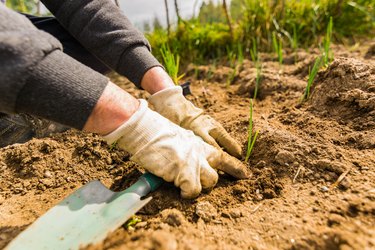
Fill the planting containers with potting soil. Set the plants or cuttings in the soil, or plant the seeds according to the instructions on the seed packets. Water them, and keep your herbs in a warm place to help them become established. Cover seeds with clear plastic to hold in moisture, and give them gentle bottom heat with a seed mat to help speed germination.
-
4
Plant herbs that you like and will use. Chives are easy to grow in a pot, and they are easy to snip and use, too. Thyme, oregano and dwarf basils also make nice potted plants. Larger plants that may need to be grown one plant per one pot are parsley, cilantro, sage, rosemary and mint.
-
5
Fertilize every two to three weeks with a diluted organic liquid fertilizer . Using diluted plant food will avoid fertilizer burn. Overfeeding can cause your herbs to have soft, rapid growth with less flavor and fragrance.
-
1
Tips & Warnings
During the winter, when the natural sunlight is less direct, you may need to increase the length of plant light exposure. If your herb plants become tall and leggy, it means they need more light. Increase the light they receive. Prune them back slightly to encourage new growth, and use the trimmings in a recipe.
Propagate cuttings, make divisions, or plant seeds any time of the year in your indoor kitchen herb garden.