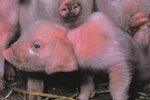
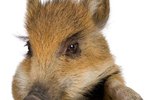
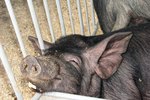
Pigs are one of the smartest animals in the world. Because of their intelligence, they can be a joy to interact with, but are also challenging to keep entertained. Pigs can be trained to do many things, they're clean animals, and they don't shed, which makes them ideal pets for some families.
Feeding
Pigs are omnivores that can be fed pig pellets, grains such as rolled oats and barley, beans and fresh produce. Pigs will also graze so if you have a lawn, so expect it to get chomped on by your pig pal. Fresh produce can include strawberries, apples, pears, tomatoes, carrots, celery, lettuces, potatoes and other healthy fruits and vegetables.
Litter Training
Pigs can be trained to use a litter box inside. Most pigs also will use only one corner of their outdoor space for elimination. Provide a shallow litter pan in a separate area from where your pig eats. Shredded paper, newspaper, or pine chips can serve as litter. Cat litter isn't recommended because some pigs eat it. Pigs can be trained to use a dog door so they can go outside to eliminate as needed.
Pig Behavior
Pigs are social animals who enjoy interaction with their owners. Providing toys for your pig to play with will help keep her occupied indoors. Pigs tend to cajole their way into getting what they want, so keep this in mind when setting boundaries with your pet. Much like dogs, pigs follow a pack hierarchy, so it's important to establish yourself as the leader. Pigs may try to challenge other pack members by charging them and swinging their heads side to side. Pigs should be spayed or neutered, which will make their behavior more stable and amicable.
Piggy's Sanctuary
Have a designated pig-friendly room that can be closed off when necessary. Your pig's crate also should be kept in this room -- pigs can be crate trained like dogs. Provide a sleeping area for your pig with some washable blankets and pillows, or even sleeping bags. Some pigs also like to sleep with their owners. Because pigs are so smart, they need lots of activities to keep them entertained. Pigs enjoy any toy that involves food, such as a pet ball with treats inside that they can push and chase around the house. Many piggies enjoy shredding up pieces of paper. A rooting box will also give your pig pal a place to let out her natural urge to root. A shallow wooden box containing stones or hay with some healthy treats mixed in like air-popped popcorn will keep your portly pal occupied while inside.
Adapting Your Home
Baby gates and playpens can be used to control where your pig ventures in the home. Pigs will "root" -- dig in the ground with their snouts and forelimbs -- even indoors, which can damage floors and home items. To prevent a pig from rooting in your home, allow him to spend time outside each day, so he can root in natural ground. Pigs will chew on cords if they find them but they can be trained not to do this. Pigs can have trouble with stairs so you may need to adapt your entryways to make them pig-friendly.
Health and Care
Pigs are generally healthy animals but precautions should be taken to keep them that way. Typically pigs live 12 to 20 years. You'll need a veterinarian who specializes in farm animals to care for your pig properly. Pigs need yearly vaccinations just like other domesticated pets. Their hooves should be trimmed annually. Pigs can't sweat or pant, so the only means they have to cool themselves in summer is to wallow in cool water or mud. Mud also protects their skin when they're outside in the sun. Because they have no fur pigs need warm bedding and a heat source in winter.
Legal Issues
Not all municipalities allow a pig to be kept as a pet. Always check local zoning laws before adopting. Some zones will allow you to keep pigs but there may be restrictions on where you can dispose of their waste or establish an outdoor pig shed.
References
Resources
Photo Credits
-
Jupiterimages/Photos.com/Getty Images
Writer Bio
Madeline Masters works as a dog walker and professional writer. In the past she has worked as a fitness columnist, fundraising copywriter and news reporter. Masters won two Pennsylvania Newspaper Association Awards in 2009. She graduated from Elizabethtown College with a Bachelor of Arts in English.