How to Make Lace Wigs

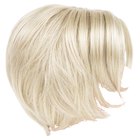
Wigs are made according to two main principals: those which can be blended to tone into the general makeup, which use lace netting, and those which provide hair without the need to blend makeup, which have no lace netting (these are known as hard-front wigs).

Lace wigs are more natural looking and more versatile, making them the more popular choice of wig in the 21st century from theater and film to everyday life.

Things You'll Need

  • Knot hooks (range of sizes from large to small)
  • Hair
  • Lace netting
  • Galloon ribbon
  • Wooden block
  • Bench clamp or block stand
  • Block pins
  • T-pins
  • Drawing mat or cord
  • Sewing needle
  • Fine thread
  • Scissors
  • Clingfilm
  • Clear adhesive tape
  • Soft pencil
  • Cup or bowel of water
  • Towel
Show More

Instructions

  1. Preparation

    • 1

      Make sure all tools and surfaces are clean and dry.

    • 2

      Lay out all the tools and items needed within arm's reach so that you don't have to go hunting for things after you begin.

    • 3

      If you are going to use a wig stand or clamp, set it up and check the height for your personal comfort. If you are going to use the wig block in your lap you may want to lay a towel beneath it. This is a long and repetitive process that must be done with care and a soft hand, so personal comfort during it is imperative.

    Making a Pattern

    • 4

      Traditionally patterns were made by measuring the head and transferring the measurements to paper. More commonly used now is clingflim and tape to create a soft mold. This method is easier and more accurate.

      Prepare the head by brushing the hair back from the face and as close and flat to the head as possible.

    • 5

      Wrap clingfilm tightly around the head, toward the back.

      A single piece should be large enough to wrap around the front of the head and fastened in the back. If there is a gap on the top of the head, fill it in with another piece of the clingfilm.

    • 6

      Secure this with clear adhesive tape. Apply the tape over the top of the head from ear to ear. Make sure it is not too tight. Next, tape from the front to back. Then apply tape along the entire circumference. Cover the whole head in this way until it feels like a stiff cap.

    • 7

      Draw the existing hairline with the soft pencil. You are drawing around the head with this, from the front, around the ear and down the nap of the neck. If the hair is fine at the hairline, draw fine lines.

    • 8

      Cover the pencil markings with adhesive tape to protect it.

    • 9

      Remove the pattern from the head by gently easing it up and off.

    Making the Foundation

    • 10

      Cut the form in the back and place it on the wig block, then tape it back together and pin it in place with block pins.

      The wood block should be about 55mm larger than the circumference of the model's head. If it is too small, it should be padded.

    • 11

      Sew galoon ribbon around the outline of the pattern. Sew the foundation net into the galloon to form the shape of the wig base.

      For a more natural looking hairline, especially in the front, a galloon-less edge is more suitable (to do this you move the galloon back a few centimeters from the hairline edge).

    • 12

      Secure this with clear tape. First apply the tape over the top of the head from ear to ear. Make sure it is not too tight. Take the adhesive tape from the front to the back. Then apply tape to the entire circumference. Continue to cover the whole head in this way until the pattern feels rigid.

    Knotting the Hair

    • 13

      Knotting is a delicate process requiring good eyesight and patience. It is advisable that you practice on a separate piece of netting to get the hang of the technique before attempting it on the actual wig base.

      There are four types of knots you must learn: the single, double, point and under knot. The basis of each knot is the same.

      Single knotting is where individual knots of hair are added to the foundation netting. This is the most common kind of knotting used with fine lace netting. Different size hooks can be used depending on the amount of hair need for each knot.

      Double knots are tied to make hair absolutely secure. This type of knot is used for the crown and large parts of the base as it is less easily concealed and unsightly.

      Point knotting is a single knotting of the point ends of the hair. The root ends are cut away, allowing the hair to lift from the piece. This technique is most often used for short hair pieces.

      Underknotting is a final application of single knotting to the inside of the finished hair piece. The finished piece is turned inside out; single knot is applied to the edges of the foundation in the same direction as the hair on the other side of the base. Two or three rows of knotting are usually added.

    • 14

      Place a small quantity of hair in the drawing mats with the ends protruding (the hands in this process would be reversed if you are left handed). A few hairs at a time, draw hairs out and turn them over to form a loop held by the left hand. Dampened these with water.

      The knotting hook is inserted under one mesh of the lace netting, and one or several hairs are picked up from the loop in the left hand.

    • 15

      Draw the loop under and through the hole in the lace.

    • 16

      Turn the hook to catch the remaining ends of hair.

    • 17

      Carefully pull the ends through the loop on the hook towards the right hand side.

    • 18

      Pulled the complete knot tight (be careful not to break the hair) so that it is as small and invisible as possible.

    Cutting and Styling

    • 19

      Once the lace wig is complete, press it with a hot iron. Lay a piece of tissue paper or cloth between the hair and the iron and iron as you would a silk shirt. Use low heat and a light hand.

    • 20

      Place the finished wig on a malleable wig block and fasten with t-pins at the edges. Do not fasten by the left over the netting or it may tear. Fasten in the actual hair line.

    • 21

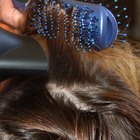
      Brush the hair out thoroughly and gently to remove any tangles and knots.

    • 22

      Dress the wig in the style of choice just as you would natural hair.

Related Searches:

References

You May Also Like

  • How to Make a Lace Wig

    Ever wonder how celebrities like Beyonce, Ashanti, and many more get flawless hair? Well "lace wigs" or also known as "lace front...

  • How to Make Lace Front Wigs at Home

    Lace front wigs are the most popular today because of their natural look and their ability to stay in place better. A...

  • How to Make Front Lace Wigs

    Celebrities rely on lace front wigs to keep their looks fresh and interesting. Those who are not in the spotlight also use...

  • How to Dye Mohair Wigs

    Dyeing mohair wigs is a relatively easy step in the doll-making process. Before dyeing, you must ensure that the mohair wig is...

  • How to Make Doll Wigs

    The hair that comes attached to your doll doesn't have to be permanent. There are ways to retool the hair--or you can...

  • How to Make a French Lace Wig

    French lace wigs are found on some of the biggest names in Hollywood. Wigs have been a reality in entertainment for centuries....

  • How to Make Needle Lace

    Needle lace is often the most expensive lace because it can take such a long time to make. However, you don't have...

  • How to Care for a Lace Wig

    Lace front wigs, while by no means a newcomer to the world of theatrical hair design, have become hugely popular in recent...

  • How to Make a Full Lace Wig

    Wigs used to be a measure of someone's wealth. Now days, they are used to help assist the movie industry as well...

  • How to Detangle a Lace Front Wig

    Lace front wigs are incredibly easy to care for as long as you keep up on the initial maintenance. You should wash...

  • How to Bleach Knots on a Lace Wig

    For some women, our lace wigs are a daily part of living. They become as much a part of our style as...

  • Making Lace Wigs

    Lace wigs have been around for a very long time in the entertainment industry. Lace wigs were most common in theater and...

  • How to Make Lace Curtains

    Transparent lace curtains can be the perfect solution in rooms where you want light without sacrificing privacy.

  • How to Make a Lace-Front Wig

    The beauty of a custom, lace-front wig is that it is designed to mimic the look and movement of natural hair. Wig...

  • How to Make Lace-Front Wigs for Black Women

    Making lace-front wigs for black women has extended from medical and entertainment purposes to fashion. Originally, lace-front wigs were made for victims...

  • Lace Wig Making Techniques

    Lace wigs have been made for centuries and are still used today. Movies, TV shows and plays often prefer to use hand-made...

  • Lace Hook Wig Instructions

    Wigs are important for a variety of people. They are the easiest tool for makeup artists to work with. Wig making takes...

  • How to Make Wigs

    Making your own wig has many advantages. It tends to be cheaper in the long run and you get to customize the...

Related Ads

Featured