
There are two main types of wigs, those made from synthetic hair and those made from real human hair. Both of these come in a variety of styles and colors. However, if you can't find the specific color you want, it is possible to dye a wig. While both synthetic and human hair wigs can be dyed, they require following two different processes.
Synthetic Vs. Human Hair Wigs
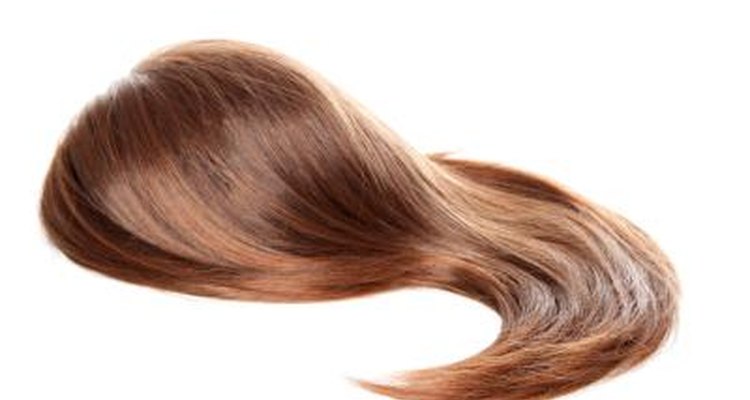
In general, human hair wigs can be dyed using the same process that is used with human hair grown from the scalp. Synthetic wigs require a different process, which typically involves using fabric dye. While synthetic dye does exist, it is usually very expensive and hard to find. Do not try using regular human hair dye on synthetic wigs because it will not hold the color like it would with a human hair wig. MusicalTheatreAudition.com says human hair dye will often drip color down from a synthetic wig. The wig can also turn out a different color than intended or come out blotchy.
Tools You'll Need
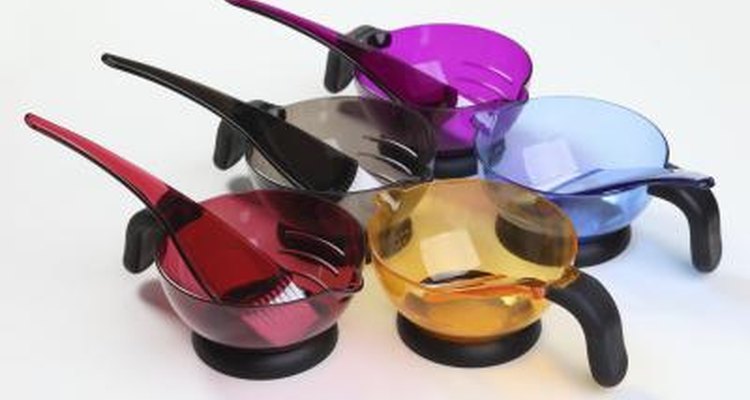
Whether you are dyeing a human hair or synthetic wig, you need certain tools. First and foremost, you need the wig. Then, depending on the type you choose, you need the corresponding dye. Instead of using fabric dye on your synthetic wig, you can also use a permanent marker. However, this technique only works with a blond or light-colored wig. If you have a human hair wig, use professional human hair color products. You also need a wig stand or something to prop up your wig during the process. And remember to buy a pair of disposable gloves to avoid getting the dye all over your hands.
Wig Dyeing Instructions and Tips
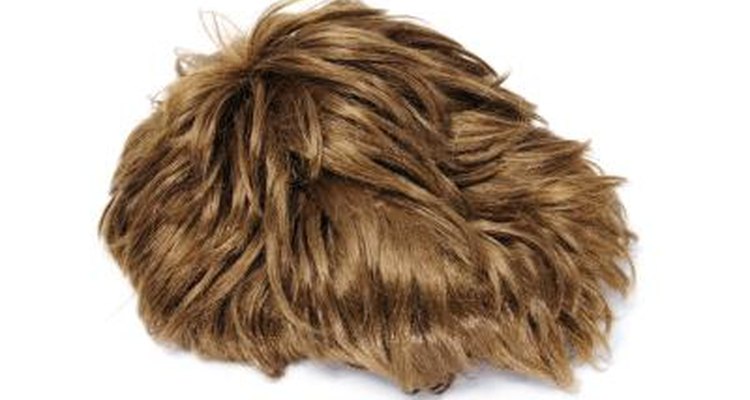
When dyeing your wig, there are certain tips to remember. With both types of wigs, always work in a well-lit area with good air circulation. With a human hair wig, use a comb to direct the dye through the hair. After the dye has been applied, let it sit for 10 minutes. Rinse the dye out using tap water and then shampoo and condition the wig.
If you are dyeing a synthetic wig using a permanent marker, lightly blow-dry the hair afterward to heat-set the color. This will help avoid discoloration if your wig ever gets wet.
Related Articles

How to Remove Color From a Human Hair ...

How to Remove Hairspray From Wigs

How Can I Keep My Newly Highlighted ...

Tips for Raw Hair Dye in Candy Pink
How to Sleep in Your Wig

How to Spray Dye a Synthetic Wig
How to Highlight Hair Using a Cap

Can You Perm Hair After You Color It?
How to Darken Jeans

How to Dye Only the Bangs of My Hair

Should I Wash My Hair Before Using Hair ...

How do I Purchase Professional Hair ...

How to Color Over Highlights
How to Lighten Synthetic Wigs
How Are Highlights Done in a Salon?

Instructions for How to Use a Wella ...

How to Change Hair Color From Red to ...

How to Cover Small Amounts of Gray Hair

What Will Prevent My Blonde Highlights ...
Instructions for Paul Mitchell Color
Photo Credits
hanhanpeggy/iStock/Getty Images