Home Sweet Home
Hacks, Tips & Tricks
Squeaky Clean
DIY Decor
Carpentry & Remodeling
Maintenance & Repair
Green Thumb
All Home Sweet Home
Chow Down
Main Dishes
Sweet Treats
Snacks
Copycat Recipes
Drinks & Cocktails
Sides & Appetizers
Veggie Faves
Food Hacks
All Chow Down
Get Crafty
Sew Simple
Fun Crafts
Art Projects
All Get Crafty
Let’s Celebrate
Valentine's Day
St. Patrick's Day
Easter
Mother's Day
Father's Day
4th of July
Back to School
Halloween
Thanksgiving
Christmas
New Year
Weddings
Baby Showers
Birthdays
Parties & Events
Gifts
All Let’s Celebrate
JOIN OUR NEWSLETTER
JOIN OUR NEWSLETTER
Home
Chow Down
Sweet Treats
Sweet Treats
By
Beth Huntington
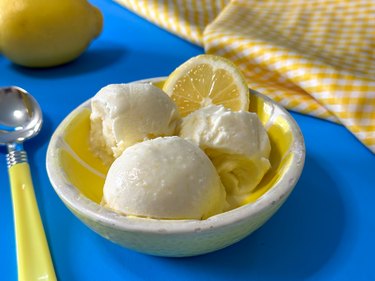
Homemade Fresh Lemon Ice Cream
Chow Down
By
Sharon Hsu
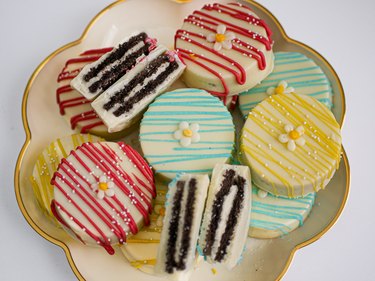
Fancy Chocolate-Covered Oreos
Chow Down
By
Sharon Hsu
Daisy Meringue Cookie Pops
Chow Down
By
Kirsten Nunez
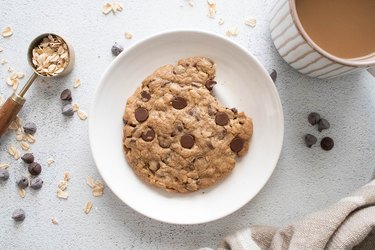
Baking for One — Oatmeal Cookie
Chow Down
By
Bianca Fernandez
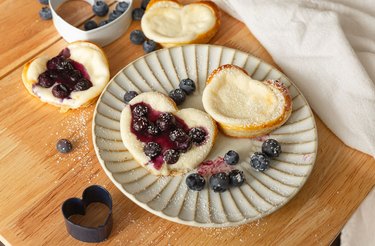
Cream Cheese and Fruit Pastries
Chow Down
By
Kirsten Nunez
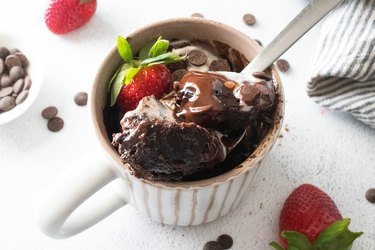
Baking for One — Brownie in a Mug
Chow Down
By
Sharon
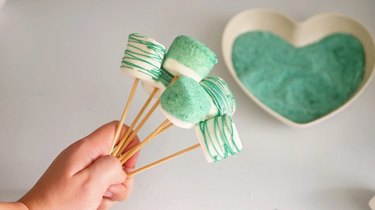
Dipped Marshmallow Pops
Chow Down
By
Bianca Fernandez
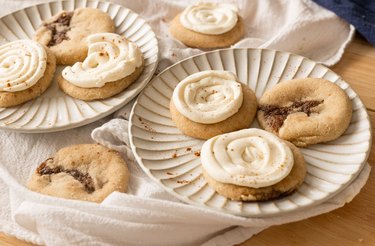
Cinnamon Roll Cookies
Chow Down
By
Kirsten Nunez
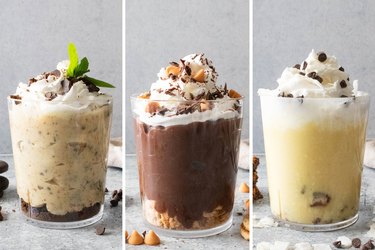
3 Pudding Cups With Girl Scout Cookie Crusts
Chow Down
By
Beth Huntington
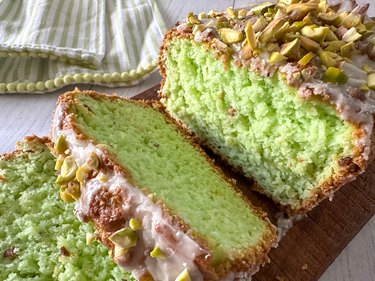
Pistachio Bread
Chow Down
By
Sharon
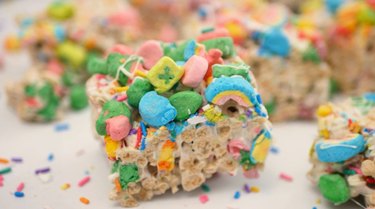
Lucky Charms Cereal Treats
Chow Down
By
Sharon
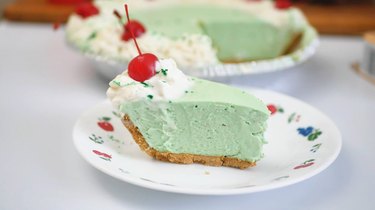
Shamrock Shake Pie
Chow Down
By
Sharon
Heart-Filled Chocolate Cupcakes
Chow Down
By
Bianca Fernandez
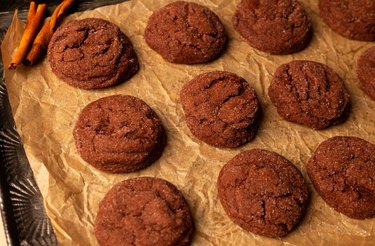
Chocolate Snickerdoodles
Chow Down
By
Bianca Fernandez
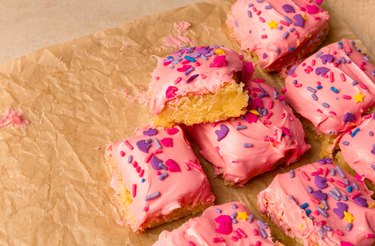
Easy Sugar Cookie Bars
Chow Down
By
Bianca Fernandez
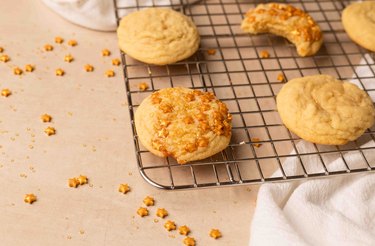
Dazzling New Year's Sugar Cookies
Chow Down
By
Sophie Katzman
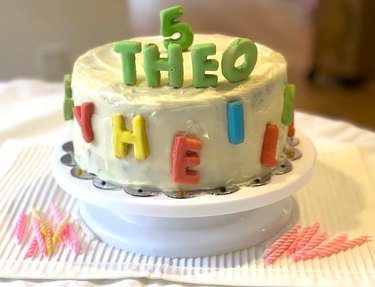
A Cute & Colorful Alphabet Cake for All Ages
Chow Down
By
Bianca Fernandez
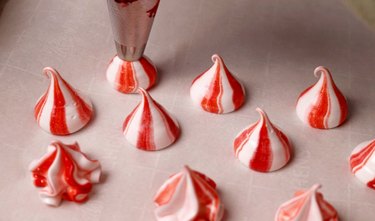
Peppermint Meringue Swirls Are a Dreamy Winter Treat
Chow Down
By
Beth Huntington
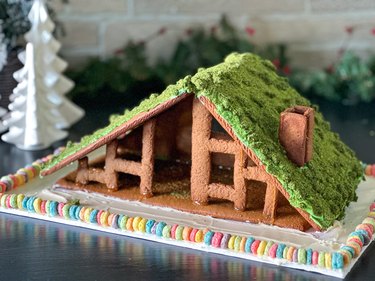
A Taylor Swift Gingerbread House Inspired by the "Folklore" Cabin
Chow Down
By
Bianca Fernandez
A Mini Holiday Village Made With Graham Crackers
Chow Down
By
Sophie Boudreau
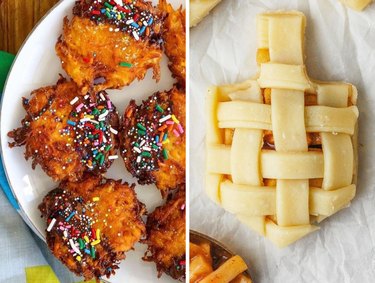
11 Hanukkah Dessert Ideas, From Olive Oil Cookies to Sweet Latkes
Chow Down
By
Kirsten Nunez
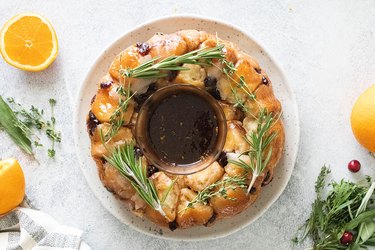
Edible Centerpiece Made of Cranberry-Orange Monkey Bread
Chow Down
By
Kirsten Nunez
Ice Cream "Turkey Legs" Are the Sweetest Optical Illusion
Chow Down
By
Bianca Fernandez
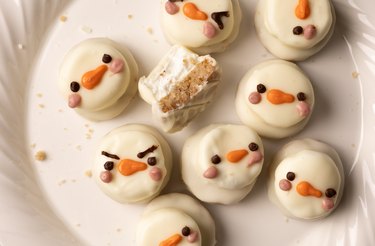
White Chocolate Snowmen Cookies Inspired by Mallomars
Chow Down
By
Bianca Fernandez
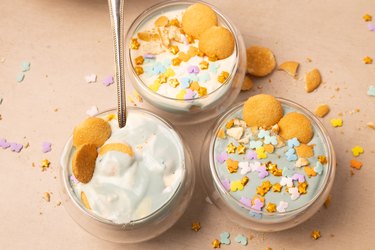
Butterfly Pea Pudding with a Natural Blue Hue
Chow Down
By
Bianca Fernandez
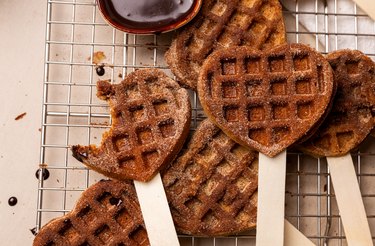
Cinnamon Sugar Waffle Pops Made with Mochiko
Chow Down
By
Bianca Fernandez
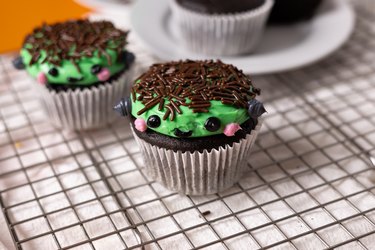
"Kawaii" Frankenstein Cupcakes for a Monstrously Delicious Treat
Chow Down
By
Bianca Fernandez
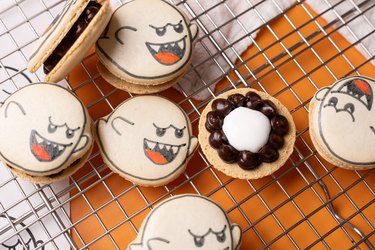
Boo! Mario-Inspired Macarons for Halloween
Chow Down
By
Kathryn Walsh
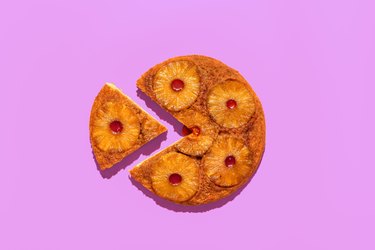
Twists on Retro Desserts, from Jell-O Salad to Ice Box Cake
Chow Down
By
Kirsten Nunez
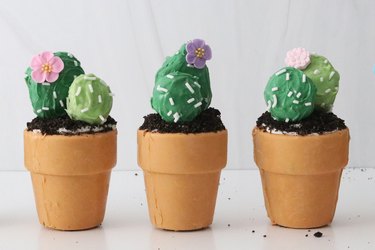
A Desert of Desserts! Cactus Dirt Cups Are in Bloom
Chow Down
By
Sophie Boudreau
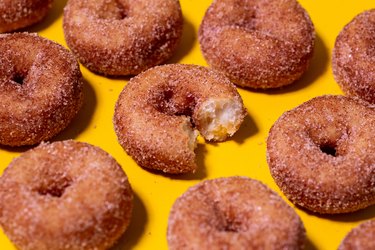
Apple Cider Donuts Delivered to Your Doorstep
Chow Down
By
Sophie Boudreau
Calling Apple Cider Donut Fans! These Treats Are for You
Chow Down
By
Bianca Fernandez
A Super-Sweet Batch of Strawberries & Cream Mochi Bears
Chow Down
By
Bianca Fernandez
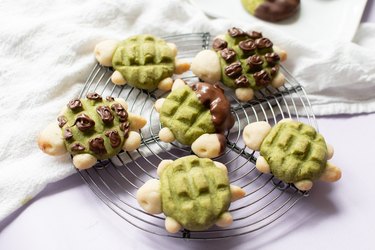
Much To Love About These Matcha Chocolate Turtle Cookies
Chow Down
By
Anna Buckley
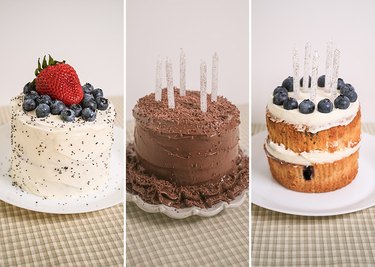
3 Costco Muffins Turned Mini Birthday Cakes
Chow Down
By
Bianca Fernandez
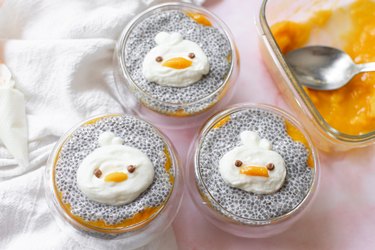
Mango Chia Seed Pudding With an Adorable Duckie Theme
Chow Down
1
2
3
4
5
>
Report an Issue
Contact*:
Severity*:
High
Normal
Low
Description*:
Screenshot loading...
Cancel
Submit