
How to Plan a Long Road Trip

How to Plan a Long Road Trip thumbnail
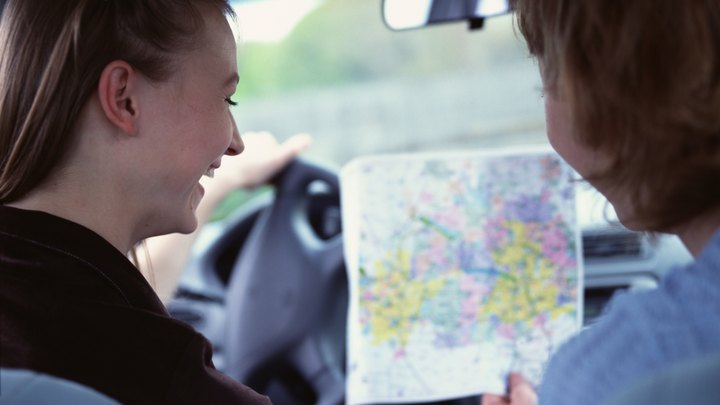
Experience new scenery on your road trip.

A road trip is an opportunity for couples, families and pals to experience new scenery, develop a deeper appreciation of the country they live in, make friends in unexpected places, and get to know one another other a little better minus the ongoing distractions of day-to-day life. An open mind, a flexible agenda and a sense of humor are critical to a road trip's success and can generate memories that will last long after you've pulled back into the garage.

Things You'll Need

  • Maps
  • GPS
  • Regional guidebooks
  • Cell phone
  • First aid kit
  • Emergency roadside tools
  • Flashlight
  • Water
  • Snacks
Show More

Instructions

    • 1

      Determine your time frame and budget. Road trips involving the whole family are generally built around school breaks, summer vacations and work schedules. The number of participants and their respective interests dictate what sights to see, the quality/quantity of meals, the type of accommodations needed and how many pit stops have to be factored in twixt here and there.

    • 2

      Decide what the purpose of this trip will be. While the primary objective is to spend quality time together with loved ones and see new things, the road trip could also have an educational component to it or be part of a scouting expedition to check out a new city in anticipation of an upcoming move. Engage participants in family meetings to decide which sights to visit and how much time to spend at each location along the way. Recruit older children to research destinations and print out information for a road trip travel folder. The more input everyone has in the planning process, the less likely they are to subsequently complain that they're not having fun.

    • 3

      Plan the route you want to take and put together a rough draft timetable based on your comfort level with long drives and the amount of time you want to devote to each stop. Determine whether you're going to be doing all of the driving yourself or trading off with other adult passengers. Depending on the season, check regional road advisories in advance to make sure that you won't experience delays or closures. Keep an eye on long-range weather forecasts as well.

    • 4

      Check out the availability of lodging along your route that accommodates your lifestyle and wallet. This is crucial if your trip coincides with community festivals, major sporting events or annual celebrations such as Mardi Gras. If you belong to AAA, chat with a representative about package deals, discounted accommodations for families and sightseeing attractions. If you're taking along the family dog or cat, you'll need to ask in advance whether hotels, motels, bed and breakfasts and campsites are pet-friendly.

    • 5

      Have your car, van or RV thoroughly serviced by a mechanic prior to the trip to ensure that brakes, tires and fluids are road-ready for your adventure.

    • 6

      Pack economically. The fun of a road trip diminishes pretty fast if your fellow travelers are wedged between suitcases, coolers and camping equipment. Most people tend to pack way more than they need without realizing that items like parkas, caps, socks and t-shirts can usually be found wherever it is they're going. Have snacks and bottled water on hand for those long stretches between stops.

    • 7

      Provide relatives and close neighbors with an itinerary of your road trip. It's also crucial to carry chargers for your cell phone(s) and GPS so that you can always make contact if you get lost or stranded.

Tips & Warnings

  • Stay flexible. Nothing has to be carved in stone on a road trip, especially if a delay or a detour leads you you to sights and experiences you might never have discovered if all had gone according to plan.

  • Bring along enough games, puzzles and audio books to keep the younger set entertained in the back seat.

  • Take a camera and keep a travel journal in which everyone can jot down their impressions and observations.

  • Collect souvenirs such as postcards, matchbooks, brochures and restaurant business cards to help you remember the details of where you went and what you did.

  • Don't try to cover too much ground in one day. Not only will this be hazardous if you get sleepy behind the wheel, but you'll also be too stressed and punchy to enjoy the sights along the way.

  • Make arrangements for someone to watch your house while you're away on an extended road trip. Place a hold on the mail, cancel newspaper deliveries, and put interior lights on alternating timers to give the impression someone is at home.

Related Searches:

References

Resources

  • Photo Credit Jupiterimages/Comstock/Getty Images

Comments

You May Also Like

Related Ads

Featured