eHow launches Android app: Get the best of eHow on the go.

How To

How to Dig Up Raspberry Plants

Contributor
By Kathryn Hatter
eHow Contributing Writer
(0 Ratings)
Ripe red raspberry growing in a raspberry patch.
zenera: morguefile.com

Maintaining a thriving raspberry patch requires a gardener's attention throughout the growing season. Between fertilizing the plants to provide for their nutritional needs and keeping them pruned to control and encourage proper growth, a gardener will find no shortage of work to produce a bountiful raspberry harvest. From time to time, it is necessary to dig up new raspberry plants (called "suckers") and either move these new daughter plants to a new location, give them away or simply discard them.

Difficulty: Moderately Easy
Instructions

Things You'll Need:

  1. Step 1

    Prune raspberry plants late in autumn. Use gardening shears to cut down any canes that produced raspberries during the most recent growing season, as they are finished producing berries. Note any new suckers that are growing. Suckers are tender new raspberry plants that sprout up around older "mother" plants.

  2. Step 2

    Lay down at least 3 inches of mulch around the base of the raspberry canes to protect the roots during harsh winter weather.

  3. Step 3

    Prepare the area where you will transplant the raspberry plants, if necessary. Till the soil with a garden spade down to a depth of at least 6 inches, and add 2 inches of compost to the top of the soil. Work the compost in well to prepare the new growing area for spring planting before the winter begins.

  4. Step 4

    Till the new planting area lightly one more time immediately before transplanting the raspberry plants. Move the plants after the last spring frost. Dig holes between 2 and 3 feet apart. Space the rows between 3 and 8 feet apart (depending on how you plan to access the berries).

  5. Step 5

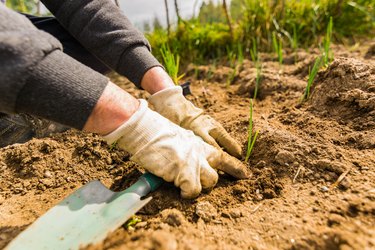
    Dig up the raspberry plants you want to transplant or discard. Use a shovel to carefully dig around larger raspberry plants, or use the trowel to dig around small sucker plants. If you are digging up suckers, carefully separate the roots of the suckers with the roots of the older plants.

  6. Step 6

    Place the raspberry plants immediately in the prepared holes. Place the plants at the same depth as they were growing in the previous holes, backfill the holes with soil and tamp the soil down firmly.

  7. Step 7

    Cut back the top growth of the transplanted raspberry canes to approximately 6 inches, if necessary. This will balance the top growth with the root growth under the soil and prepare the plant to grow properly. Water the newly-planted raspberry canes generously.

References

Subscribe

Post a Comment

Post a Comment

Related Ads

  • Have you done this? Click here to let us know.
I Did This
Get Free Home & Garden Newsletters
Copyright © 1999-2010 eHow, Inc. Use of this web site constitutes acceptance of the eHow Terms of Use and Privacy Policy .   en-US Portions of this page are modifications based on work created and shared by Google and used according to terms described in the Creative Commons 3.0 Attribution License. † requires javascript

eHow Home and Garden
eHow_eHow Home and Garden