How to Plan a Balanced Diet for a Child
Every parent wants what's best for their child. In order to provide the best, we must take preventative measures to ensure the child's physical well being. Numerous studies have shown that balanced diets are a fundamental part of maintaining a child's overall health. Good nutrition helps the brain function properly, which aides in academic proficiency. Furthermore, good nutrition decreases the likelihood of the child developing chronic long-term illnesses. The following steps will equip you with the necessary tools to develop a balanced diet for your child.
Instructions
-
-
1
Do your research. There are volumes of literature in print and on the Internet that provide extensive information on balanced diets for children. The U.S. Department of Agriculture's food pyramid is an essential starting point that will prove very helpful. Additionally, libraries and bookstores contain a variety of books that contain diet and nutrition guides for children. The internet contains a wealth of diet and nutrition information; various websites provide in-depth examinations of the foods we consume and helpful tips on dietary choices for children.
It is also important to review literature produced by health organizations such as the American Diabetes Association. The literature they provide gives essential information on the types of diets that contribute to chronic illnesses.
-
2
Consult a health care professional. Health care professionals are indispensable resources that can provide a wealth of information. Your child's physician has the ability to recommend foods that will greatly benefit your child's overall health, while giving you a list of foods to avoid.
Nutritionists are another valuable resource. They can provide an extensive background on foods and tell you what vitamins are essential to your child's health. Moreover, they are able to recommend the foods your child should consume on a daily basis.
-
-
3
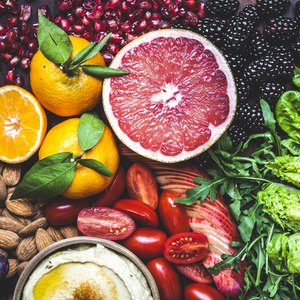
Set a positive example. Another way to guarantee that your child has a balanced diet is by making sure you eat well. Avoid foods that are detrimental to your health and replace them with foods that are low in fats, oils, sugars and sodium. Diets that include fruits, vegetables, milk, grains, and lean cuts of meat are beneficial to the health of parents and children.
-
4
Combine your resources. Now that you have done your research, talked to health care professionals, and tailored your own diet, its time to implement what you've learned to produce an effective plan. Combine all of the essential elements you found and write out a extensive diet that will address your child's nutritional needs. Plan meals and snacks, and make your grocery list according to your menu.
-
1
Tips & Warnings
Ask your health care provider to recommend a nutritionist. When developing a diet for your child, be flexible and implement a variety of ideas to increase your child's dietary options.
It is important to discuss your child's nutrition with you health care provider.