




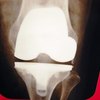
Osteoarthritis of the knee is the deterioration of the cartilage in the joints. Symptoms include pain and tenderness, loss of flexibility, stiffness and swelling. There is no cure and symptoms will worsen with time. However, there are many treatments to help alleviate pain and keep the knee joints moving.
Rest, Exercise and Weight Loss

You should rest your joints when you are having pain and inflammation. If you are feeling well enough and your joints are not painful, exercise will help strengthen the muscles surrounding the joints. Exercises, such as walking, swimming and yoga, are gentle enough for osteoarthritis. Weight loss can also help alleviate pain by reducing stress to your knees.
Heat and Cold
Hot and cold therapy are both helpful in relieving joint pain. Warmth will alleviate stiffness and cold treatments will help with muscle spasms. You can use a heating pad or hot water bottle, or you can take a warm bath. Heat may be applied several times each day for 20 minutes at a time. Ice packs may be used several times a day as long as you do not have numbness or circulation problems.
Physical Therapy
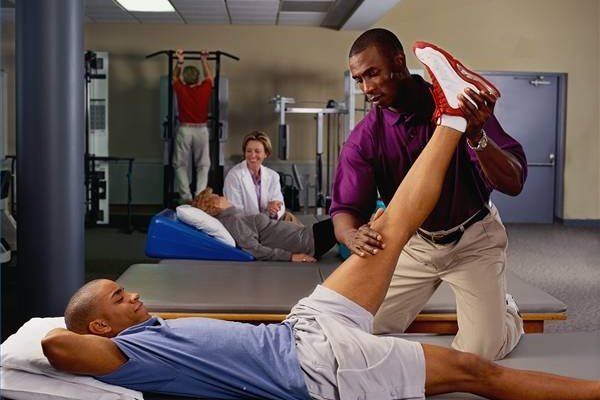
Physical therapy will provide a personal exercise program for you. The exercise plan should strengthen the muscles surrounding your knees, increase flexibility and reduce pain.
Topical Anelgesics
Over-the-counter ointments, creams and gels are helpful for temporary pain relief. They contain ingredients that will provide the sensation of either hot or cold. Some include aspirin-type medications that are absorbed through the skin.
Braces or Shoe Inserts
Braces may be used to immobilize your knee joints to relieve pressure and pain. Shoe inserts may used to cushion your feet or help with alignment of the bones to relieve pain and pressure on the joints.
Medications
There are over-the-counter and prescription medications. They include acetaminophen to relieve pain, non-steroidal anti-inflammatory medications that also reduce inflammation, and prescription medications, such as Celebrex or Mobic. Stronger pain medications, such as Percocet, can help as well as steroid injections.
Surgery
Surgery is often the last resort when other methods of treatment are not helpful. Joint replacement involves plastic or metal prostheses. Arthroscopic debridement is the removal of cartilage and bone fragments, and cleaning of the joints. Bone realignment can shift the area that bears weight.
Image Credit
Microsoft Clip Art