Jupiterimages/Photos.com/Getty Images
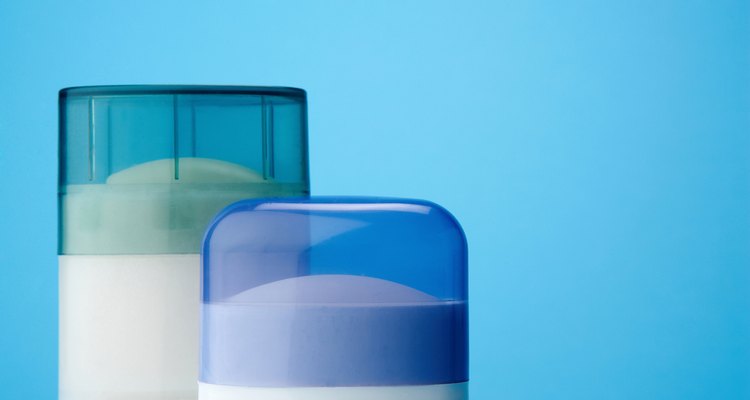
Most people wear deodorant every day without giving it much thought. Although they reduce body odor, deodorants have a few disadvantages, such as ineffectiveness, side effects and messiness. If you find any of these qualities discomforting, you can shop around to find a better brand, go au natural or consider using a natural deodorant, which generally won’t have the same problems.
Perspiration
A deodorant that is not also an antiperspirant will control body odor but do nothing for underarm wetness. To reduce perspiration, look for a product that advertises both qualities.
White Marks & Stains
Anyone who has used a deodorant has experienced the tell-tale white marks left on their clothing. Using a clear gel or spray deodorant will eliminate this issue. Another problem with deodorants is the yellowish stain left in the armpit of the shirt. The chemicals in the product react with the salt in your body sweat to produce the stains. You can minimize these stains by waiting until the deodorant is completely dry on your skin before putting on your shirt. If that doesn’t work, switch to a natural deodorant.
Aerosols
Less popular than stick deodorants, aerosol deodorants have their own disadvantages. If you don’t aim accurately, the spray from the can may get on your clothes or in your mouth or eyes. Although aerosol sprays don’t contain ozone-depleting chlorofluoro carbons anymore, they still contain such irritating chemicals as butane and isobutene.
Skin Reactions
Certain ingredients in most deodorants, such as ethanol (an alcohol) may cause the skin to become dry, tight and itchy and to have reduced elasticity. Sometimes deodorants may cause the skin to sting, especially after shaving.
Chemicals
Most personal care products, including deodorant, contain potentially harmful compounds, such as aluminum, parabens and propelyn glycol. According to the National Cancer Institute, scientists believe that these chemicals can cause estrogen-like behavior in the body and that an excess of this hormone may encourage the development of breast cancer.
Related Articles

Difference Between Body Spray & ...

The Disadvantages of Deodorants

Body Odors & pH Balances
How to Prevent Polyester Pants From ...

How to Use Tawas Deodorant
Side Effects of Certain Dri

How to Keep Your Pants From Chafing
How to Get Rid of Small Whiteheads on ...

How to Prevent Armpit Stains on White ...

How to Get Rid of Sticky Armpits

How to Remove the Smell of Cologne From ...

How to Get Rid of Aftershave Allergies

How to Treat Acne Caused by Provera

What Is PABA in Sunscreen?
Home Remedies for Body Odor During My ...

How to Make Natural Deodorant From ...

Difference Between Soap & Synthetic ...

How to Keep Your Shirts From Getting ...

How to Avoid Deodorant Marks
How to Care for Skin Abrasions
References
Writer Bio
Selena Templeton has been a professional writer for nine years. She now lives and works as a freelance writer in Los Angeles. She has been published in The Hollywood Reporter, PowderRoomGraffiti.com and eHow.com, and wrote/produced an award-winning short film. She holds a Bachelor of Arts in English from Simon Fraser University in Vancouver, Canada.
Photo Credits
Jupiterimages/Photos.com/Getty Images