eHow launches Android app: Get the best of eHow on the go.

How To

How to make your own Organic Seaweed Fertilizer

Member
By houseandhome
User-Submitted Article
(1 Ratings)

Organic Fertilizers can be expensive. Making your own fertilizer for house plants and your garden is a cheap and easy alternative to buying fertilizers. In the below steps, I show you how to make seaweed tea fertilizer. Seaweed contains potassium, one of the essential elements needed for plant growth.

Difficulty: Moderately Easy
Instructions
  1. Step 1

    Collect seaweed for your local beach. This is a one-time effort. Collect 2 to 3 pounds, which is enough to last a small garden all summer. If you have a large garden collect a bit more.

  2. Step 2

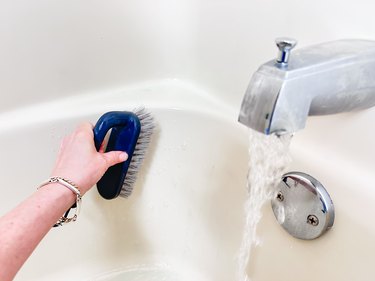
    Rinse! You can do this by placing seaweed in a colander and rinse in your kitchen sink. Rinsing removes unneeded salt from the seaweed. It is okay to have some salt, but you don’t want to overdo it. You can also fill your bathtub with water and soak seaweed in your bathtub.

  3. Step 3

    Fill glass jugs with 2-to-1 ratio of fresh water to seaweed. You can use old wine bottles, mason jars, or other containers. If you have a lid, cover your container. This is not necessary, but cuts down on the smell and evaporation

  4. Step 4

    Leave outside for 2-3 months, or until the seaweed is disintegrated and the water looks brackish brown.

  5. Step 5

    All done! Use your completed seaweed tea to fertilize your plants. To apply: mix tea with fresh water in 1-to-1 ratio. Apply during watering, but only every 1 to 2 weeks

Tips & Warnings
  • Word of advice: to make your plants super happy, you need nitrogen, phosphorus, AND potassium. Seaweed tea fertilizer only provides good amounts of potassium. To get the nitrogen and phosphorus, you might consider also applying a organic fish-based fertilized, such as the one made by Neptune's Harvest. Can I make fish-based fertilized at home? Yes, but it is really gross, complicated and stinks!

Comments  

agman55 said

Flag This Comment

on 11/17/2009 Appears to be a good idea, could use a little more data though, i.e. how much do you apply per plant, how much potassium does it contain, you don't want to add too much or you could harm the plants. However, it's a good start and people can research further, 4*s and a recommendation. I'm not perfect either. Good job.

Subscribe

Post a Comment

Post a Comment

Related Ads

  • Have you done this? Click here to let us know.
I Did This
Get Free Home & Garden Newsletters
Copyright © 1999-2009 eHow, Inc. Use of this web site constitutes acceptance of the eHow Terms of Use and Privacy Policy.   en-US Portions of this page are modifications based on work created and shared by Google and used according to terms described in the Creative Commons 3.0 Attribution License.

eHow Home and Garden

eHow_eHow Home and Garden