

How to Make Compartments in a Chest Freezer

Table of Contents
Adding dividers or storage baskets to a chest freezer breaks up the space and allows for separate compartments in which to store food. Using plywood, plastic or storage baskets can add organization to any chest freezer. Building or adding compartments is simple if properly prepared.
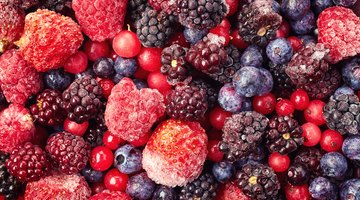
Popsicles, frozen veggies, ice cream, prepared meals – where are you going to store all that? Chest freezers are great for storing an overflow of meals and treats, but due to their large size and roomy interior, food can get lost or hidden in the space. Save time and energy by tackling the problem before it starts, and organize your chest freezer with separate compartments for all your favorite foods.
Things You Will Need
- Tape measure
- Plywood or thin plastic sheets
- Saw or heavy duty scissors to cut plastic to fit
- Stackable baskets, crates or storage containers
Measure It Up
Frozen food can thaw or melt if the freezer door is left open too long. Organizing your storage space starts with proper measurements to avoid exposing food beyond the time it takes to install your compartment dividers or new storage. Measure the width and height of the interior of your freezer. These measurements are your guide. When building or shopping for storage containers, keep these numbers with you. As most chest freezers are deep, space can be divided into two layers, with the top storage stacked on top of the bottom storage. Knowing your exact measurements can save time when it comes to stacking.
Plywood or Plastic DIY
Plywood dividers can be built DIY-style and can be an easy beginner project. Make a drawing of the compartments you want to create, based on the freezer measurements and your assessment of your storage needs. Three compartments are a great start. You will need two "walls" or dividers to have three compartments.
Cut sheets of plywood or thin plastic to divide your freezer from front to back. They should fit snugly and go almost up to the top, allowing room for the freezer to close. Cut as many sheets as you need to divide your chest freezer into the number of compartments you want to create. If you feel you need smaller spaces, you can create smaller compartments within the existing compartments by cutting and adding additional boards. For a more permanent fixture, nail or glue your boards together before sliding them back in place.
Plastic Dividers
Pre-made plastic organizers are available for purchase at many home appliance retailers. These plastic dividers section your freezer into different compartments for storage. They work the same way as the DIY walls mentioned above. Place your plastic walls across your freezer to start new compartments. Additional plastic dividers can be placed in baskets for smaller compartment storage.
Baskets and Crates
Plastic baskets or crates are also a popular choice since they are inexpensive and can be stacked on top of one another for easy storage. Clear storage boxes can be used as well, but refer to your measurements before purchasing. Any basket that is made to be stacked can work, so baskets that are made for office supplies, kitchen storage or crafts can be repurposed as freezer storage. Plastic crates that are used by grocers for milk and other refrigerated foods work very well. You can find them in storage container stores, home goods stores, craft supply shops and other big-box retailers.
Get Organized
The best way to keep track of the food in your freezer is to have an organized system. One trick is to store food in the order that you eat it during a meal. From left to right, your freezer can be broken up into three separate sections for breakfast, dinner and desserts. Breakfast items are first, and the far left of your freezer is the designated place for loaves of bread, waffles, breakfast treats and frozen fruits. The middle section can be for meats, entrees, appetizers, frozen veggies and prepared meals. The far-right section holds ice cream, pies and other sweets. The middle section can be larger since frozen meats, veggies and meals take up the most space.
Another food storage trick is to use color-coding. This is helpful to have in mind when buying storage baskets or crates. Each storage box is a different color according to the food stored within it. Green boxes hold veggies. Pink boxes hold desserts. A blue box can be for meats. If you need additional separation, use plastic bags. Large, clear, zip-locking bags allow for food to be seen through the plastic, and the date of storage can be written on them. If you want a reusable resource, pillowcases can be used as storage bags for veggies or bread.
References
Writer Bio
Nat Howard is a writer, editor, journalist and jack-of-all-trades, covering topics from home improvement and design. Her background includes web content and editorial roles with a Fortune 500 home improvement chain. She holds an MA in Professional Writing from the University of Roehampton.
More Articles

