
How to Use Sodium Perborate

Pure sodium perborate (NaBO3) is a white, odorless solid under standard conditions. However, a molecule of sodium perborate normally crystallizes with 1, 2 or 4 molecules of water. Sodium perborate monohydrate (NaBO3.H2O) and sodium perborate tetrahydrate (NaBO3.4H2O) have commercial applications, especially as detergents and bleaches. Both forms of sodium perborate are more stable and safer to handle than compounds with similar applications, such as sodium percarbonate and sodium perphosphate.

Instructions

    • 1

      Compare the properties of the hydrates of sodium perborate. The tetrahydrate is prepared from disodium tetraborate pentahydrate, hydrogen peroxide and sodium hydroxide. However, it is not as soluble as the monohydrate nor is it as stable at higher temperatures. Sodium perborate monohydrate is easily prepared by heating the tetrahydrate.

    • 2

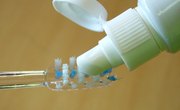
      Bleach teeth with sodium perborate. It is a common active ingredient in regular tooth bleaches and it may also bleach teeth internally. In this case, a preparation of sodium perborate is placed inside a tooth with a non-vital root. The sodium perborate bleaches the tooth from the inside over time and it also serves as an antiseptic and a disinfectant.

    • 3

      Use sodium perborate in detergents. This compound readily provides the oxygen that is needed for effective laundry detergents, laundry bleaches and other cleaning products.

    • 4

      Consider sodium perborate for applications that require a gentler alternative to other bleaches. Sodium perborate is not as harsh as sodium hypochlorite and therefore does not cause as much fading to colored fabrics. However, sodium perborate detergents need an activator such as tetraacetylethylenediamine (TAED) to release oxygen rapidly at temperatures below 60 degrees Celsius.

    • 5

      Prepare formulas of eye drops that contain sodium perborate. These products use sodium perborate to prevent bacterial growth without harming the eyes.

Related Searches:

References

Resources

Comments

You May Also Like

  • Uses of Sodium Perborate

    Sodium perborate, also known as metaborate peroxyhydrate or perboric acid, is a colorless, odorless, crystalline, water-soluble chemical compound prepared through the ...

  • How to Dissolve Sodium Perborate

    Sodium perborate, a derivative of borax pentahydrate, sodium hydroxide and hydrogen peroxide, is a chemical used in detergent for its gentle bleaching...

  • How to Use Sodium Perborate to Remove Stains

    While there are many harsh chemical bleaches that may be used to clean stains, sodium perborate is a friendlier option. This powder...

  • Sodium Perborate Monohydrate Uses

    Sodium Perborate Monohydrate Uses. Sodium perborate monohydrate, a chemical compound that is a solid form of hydrogen peroxide, the Chemicalland21.com website ...

  • How to Make Your Own Sodium Borate Flea Treatment

    Fleas on dogs and cats can be difficult to eliminate. Oral and topical medications can help rid your pet of fleas, but...

  • Alternatives to Sodium Perborate Monohydrate

    Sodium perborate monohydrate serves as a bleaching agent for clothes, dentures and hair. Its antiseptic properties make it a good ingredient in...

  • How to Use Sodium Perborate to Remove Mildew Stains

    Sometimes no matter how hard you try to take care of special fabrics, mold and mildew will find its way onto it...

  • Uses of Sodium Metabisulfite

    Sodium metabisulfite is one of a group of preservatives known as sulfites. It is a food preservative, cosmetic and industrial bleaching agent,...

  • What Is Sodium Hyaluronate Used For?

    Sodium hyaluronate is similar to the fluid found in human joints. It has been used to restore skin moisture, treat sores and...

  • How to Remove Yellow Stains From Stored Clothing

    If you store clothing to keep for your children or quilts for future generations, you may be surprised when you look at...

  • How to Dispose of Sodium Carbonate Peroxyhydrate

    Sodium carbonate peroxyhydrate, or sodium percarbonate, is an oxidizing substance that reacts to moisture and releases oxygen during its decay. It is...

  • Uses of Sodium Alginate

    Uses of Sodium Alginate. Sodium alginate is a product of alginic acid, which is found in brown algae. This is the sodium...

  • Forms of Oxygen Bleach

    Forms of Oxygen Bleach. Found in many household products today, oxygen bleach will release oxygen upon contact with water to help remove...

  • GenTeal Eye Drops Vs. Systane Eye Drops

    GenTeal and Systane are two drops commonly used for dry eye. According to the University of Illinois Eye and Ear Infirmary, choice...

  • How to Make Sodium Chlorite

    Sodium chlorite is used commercially to bleach fabrics and paper and to purify and disinfect municipal water. Homeowners use sodium chlorite as...

  • How to Use Sodium Silicate As a Detergent

    Detergents are used in cleaning household surfaces, dishes and washing laundry. Sodium silicate is a building agent used in many commercial detergents....

  • Sodium Bicarbonate and Teeth

    In the quest for whiter, brighter teeth, many try strips, gels, whitening pastes and expensive dental treatments. But getting your teeth to...

  • Sodium Lauryl Sulfate Effects

    Sodium Lauryl Sulfate Effects. Hoax emails have warned of the dangers of sodium lauryl sulfate, saying that the substance could cause cancer....

  • About Bleach

    Sodium hypochlorite, the active ingredient in bleach, was discovered in 1785 by French chemist Claude Louis Berthollet. He created the substance from...

Related Ads

Featured