

Spruce Vs. Cedar Wood Fence

Fences serve many purposes, from keeping pets and children out of pool areas to providing privacy from neighbors and protection from unwanted guests. There are many fencing materials, ranging from wood to plastic to metal.
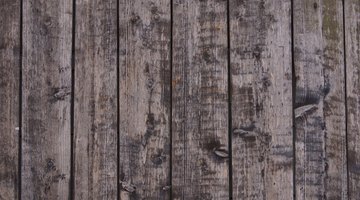
Wooden fences tend to be the most affordable, making them a popular choice for homeowners on a tight budget. Spruce and cedar are just two types of wood that can be used for fencing.
Spruce Wood
The term "spruce" refers to a type of white pine that also goes by the name of whitewood. Spruce wood is readily available in many areas of the United States, and is an affordable, durable option. When well cared for--including sealing and resealing the wood to protect it from the elements and extend its lifespan--a spruce wood fence can last up to 10 years. Fresh-cut spruce wood is a whitish color that darkens or turns gray when exposed to sunlight and other elements.
Cedar Wood
Cedar wood has natural oils that make it insect- and decay-resistant. These natural properties tend to raise the cost of cedar, making it more expensive than many other types of wood. For fencing, cedar planks are less likely to warp or crack in comparison to other types of wood. They're lightweight, making them easy to install, and are available at most lumber yards across the United States. Cedar can be stained, painted or sealed with a clear sealant to extend its life and protect it against the elements. The lifespan of a cedar fence can range from 15 to 20 years and up, especially when properly cared for with regular restaining or resealing of the wood. As it ages, cedar turns a shade of silvery gray.
Similarities
Cedar and spruce benefit greatly from being painted, stained and sealed. These processes help protect both types of wood, extending their lifespans and allowing homeowners to get more out of their money. Both woods also come in a variety of heights and panel widths, allowing for homeowners to customize the look of their fencing.
Differences
Once installed, cedar wood will age and turn gray quicker than spruce. Cedar wood turns a light shade of silvery gray, whereas spruce turns a dark gray. Upon closer inspection, the owner will also note that spruce has a wider grain pattern in comparison to cedar, which has a tight grain pattern. In terms of price, cedar tends to be more expensive and is considered top of the line for wood fencing.
References
Photo Credits
- Hemera Technologies/AbleStock.com/Getty Images
- Hemera Technologies/AbleStock.com/Getty Images
More Articles

