How to Recover From a Torn Hand Ligament
Torn ligaments in the hand, although common, especially for those participating in athletics, vary in severity. A partial tear can be treated at home and requires no surgery. A complete tear often requires surgery to completely heal. Recovery from either type of tear requires rest and medication.
Recovery
Rest the hand. It is absolutely imperative to rest the injured ligament for at least 48 hours after the injury. Avoid any activities that could further aggravate it. You do not need to miss work as long as your job does not require manual labor. Typing or writing could be problematic.
How To Splint a Finger
Learn More
Ice the ligament. Apply ice wrapped in a towel or other cloth to the injury for 15-minute intervals, once per hour on the first day. On the following days, ice the hand for 15 minutes once every 3 hours. The ice reduces swelling and allows for proper blood flow to the ligament.
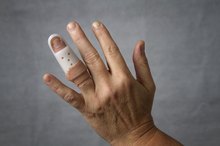
Wear a hand brace. A specially designed brace provided by your doctor will ensure that the hand is kept immobile and in the correct healing position. The brace should be tight enough to keep the hand rigid, but not so tight it constricts blood flow.
A Torn Ligament in a Thumb
Learn More
Take anti-inflammatory drugs. A doctor can provide you with an anti-inflammatory that will reduce inflammation, swelling, and pain around the injured ligament. Over-the-counter drugs such as ibuprofen and Tylenol can also work effectively.
Elevate the hand. Keeping your hand elevated higher than your heart will make sure that blood does not pool around the injured ligament. Elevation reduces swelling and allows the injured ligament to heal quickly and correctly. To ensure that the hand remains elevated during sleep, prop the hand up using pillows or other elevating props. Try to sleep on your back.
Warnings
If pain and swelling last for more than three days, contact your doctor immediately.
Related Articles
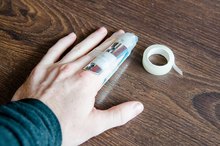
How To Splint a Finger
Learn More

A Torn Ligament in a Thumb
Learn More
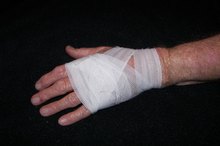
How to Wrap a Sprained Hand in an ACE Bandage
Learn More
How to Wrap an Injured Foot
Learn More

How to Heal a Sprained Wrist Quickly
Learn More

How to Treat Muscles Pulled From Bones
Learn More
Home Remedies for Fractured Foot Bones
Learn More
How to Rehab a Suspensory Strain
Learn More

How to Heal a Pulled Shoulder Muscle
Learn More
Recovering From Finger Surgery
Learn More
References