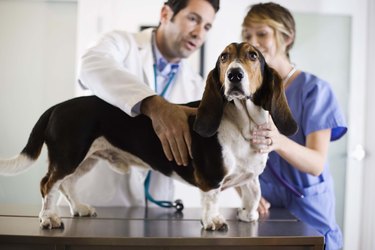
Cancer is a word we are all familiar with, given its prevalence. It is a disease that affects not only humans but also our beloved family pets. Dogs experience a rate of cancer nearly equal to humans, affecting almost half of all dogs over the age of 10. Therefore, dog owners need to recognize the signs that could indicate the presence of cancer as well as be aware of their dog's overall health, energy, and comfort levels.
If you observe concerning symptoms, your veterinarian can perform an evaluation and other diagnostic tests to determine the cause of the symptoms. Not all dogs bearing these symptoms will be diagnosed with malignant cancer, but it is important to differentiate between benign and malignant conditions to address them appropriately. It's also important to note that the most common symptoms of cancer can be nonspecific and may point to various illnesses.
Video of the Day
Video of the Day
Can dogs get cancer?
Yes, dogs can have many of the same types of cancer that develop in humans. This includes being the only nonhuman species at risk of developing prostate cancer. Some dog breeds are more likely to run into a problem than others. Larger dogs, like Irish wolfhounds, Great Danes, and mastiffs have a higher chance of developing osteosarcoma, a common bone cancer. Meanwhile, cancer, including lymphoma and hemangiosarcoma, is the leading cause of death in golden retrievers, . If you are bringing a new dog into your home, take some time to research the most common types of cancer for their breed and what signs you should be aware of.
Warning signs of cancer in dogs
These are the 10 most common signs of cancer in dogs. Although these are all symptoms that could point toward a diagnosis of cancer, other noncancerous diseases will also cause these signs. The tests your veterinarian recommends will differentiate between a diagnosis of canine cancer or a different diagnosis.
Take notice of the abnormalities so you can give your veterinarian an accurate picture of what has been going on and the duration of the signs. For example, if your dog has a mass, note how long it has been present and whether it has grown in size since you noticed it. If you notice any of these signs, don't automatically assume your dog has cancer, but all of these signs of illness indicate that something serious is going on with your dog, and they shouldn't be ignored.
Abnormal growths or swelling
A lump or mass is one of the first signs of something wrong that most dog owners will notice. Sometimes, these growths don't present as small bumps but look like swelling in parts of the body. Contact your veterinarian if you notice a growth or any signs of swelling. They will be able to decide if surgical removal is possible and determine if it's cancerous with a biopsy.
Sores that do not heal
Dogs occasionally get sores or injuries, especially if they are playful and high energy. However, if you take all the steps necessary to clean up and care for these injuries, such as applying antibiotic ointment or giving your dog prescribed oral antibiotics, and they don't heal, it could be a sign that something is wrong.
Bleeding or discharge from any body opening
Many injuries and wounds will bleed for one reason or another, but if you notice that your dog is experiencing regular bleeding or discharge from the nose or other bodily openings, it could be a sign of trouble.
Offensive odor
An unpleasant odor will also accompany some cancerous growths or injuries that refuse to heal. This is especially common if any part of the wound or growth remains open, allowing bacteria to enter and cause an infection to develop.
Weight loss or loss of appetite
You should note any changes to your dog's weight, as it often indicates a more significant medical problem. If your dog is experiencing unexplained weight loss, it could signify a cancerous tumor somewhere along the gastrointestinal tract. Loss of interest in food, especially in a dog who usually has a healthy appetite, is another sign that this may be happening.
Difficulty eating or swallowing
If your dog is trying to eat but appears to be having difficulty swallowing, this could indicate a tumor near the esophagus. As these tumors grow, they put pressure on the esophagus, causing pain and limiting the flow of food to the stomach.
Hesitation to exercise or loss of stamina
Tumors that put pressure on the heart or lungs can directly impact your dog's ability to keep up with their normal level of exercise. This may also be a sign of anemia or blood loss, which may be caused by cancer in the body. As the heart and lungs are vital organs, any indication that they aren't performing properly warrants an emergency veterinary visit.
Persistent lameness or stiffness
There are many reasons your dog may start to experience lameness, especially if they are getting older. However, the development of pain, stiffness, lameness, or swelling in the leg may indicate that your dog has developed bone cancer.
Difficulty breathing, urinating, or defecating
Other areas where a tumor could cause pressure and negatively impact your dog's quality of life include the respiratory system, urinary system, or near the end of the digestive system. This may present as difficulty going to the bathroom when either urinating or defecating, or you may notice your dog struggling to breathe.

How can I tell if my dog has cancer?
One of the most important ways to identify an abnormality in your dog is to become familiar with what is normal for their body. Veterinarians recommend performing a complete body examination weekly to every other week that will allow you to identify any lumps, skin abnormalities, or changes in muscle mass or weight that could indicate illness. You may incorporate this with a brushing or grooming session. Make it fun for you and your pet. New masses may indicate an infection or abscess; a benign growth, such as a fatty lipoma or cyst; or a malignant tumor, such as a mast cell tumor. Some masses may represent enlarged lymph nodes.
Take note of your dog's urination and stool habits. Take notice if your dog stops drinking for 24 hours or loses interest in food for 48 hours or more.
In addition to checking your dog at home, you should also prioritize regular preventative health care. This includes annual or twice-yearly checkups and bloodwork depending on the dog's age and health, dental examinations, cleanings, etc. This will increase the likelihood of any disease being caught early.
Confirming a cancer diagnosis in dogs
Your veterinarian will recommend specific diagnostic tests or procedures based on your dog's symptoms. Often, the first procedures recommended include bloodwork to evaluate organ function and cell counts and X-rays or ultrasound to look for abnormal organ size, bone lesions, or tumors within organs. To evaluate a lump or enlarged lymph node, your veterinarian may recommend a needle aspirate, which suctions cells out with a syringe, or a tissue biopsy, which removes a small piece of tissue. These procedures are completed under sedation or anesthesia.
A CT scan or MRI may be recommended in cases of internal disease or to evaluate areas of the body, such as the brain or nasal cavity, that cannot be easily seen with other tests. The results of these tests will allow your veterinarian to make a diagnosis, suggest treatment options such as surgery, and tell you more about your dog's prognosis.
Are there ways to prevent cancer in dogs?
No guaranteed solution will eliminate your dog's risk of cancer, but there are steps that you can take to help lower the risk. When you adopt a dog, research the common cancers that may affect their breed or breeds, and talk to your veterinarian about any potential genetic testing that may be available. Feed your dog a high-quality and well-balanced diet and work physical activity into their daily routine. Some studies suggest that being overweight can increase your dog's risk of some types of cancer.
When possible, create a healthy environment free from exposure to unnecessary risks, such as toxic chemicals like pesticides or cigarette smoke. Limit the time that your dog spends outdoors in direct sunlight, particularly if they have light-colored, thin, short fur. Spaying and neutering your dog after they have reached sexual maturity will also help to eliminate the risk of cancers, like mammary cancer, uterine cancer, testicular cancer, or prostate cancer.
The bottom line
Dogs experience many of the same cancer risks faced by humans, but they can't tell us when something is wrong. As a dog owner, you should watch out for the possible warning signs of cancer, such as abnormal growths; wounds that don't heal; or difficulty carrying out daily activities, like eating, exercising, and going to the bathroom. If you notice any reason to be concerned, contact your DVM. They can run tests to assess whether your dog has cancer or if these signs reveal another medical condition. You can help to reduce your dog's risk by focusing on improving your dog's health by managing their weight, feeding them a high-quality diet, exercising them regularly, and avoiding environmental risk factors. Early detection will give your dog their best chance of survival.